Here's what nobody tells you about your early 40s
You're not menopausal yet. But your body is already preparing for it. Perimenopause typically starts in your early 40s, sometimes late 30s, and it's a completely different animal from actual menopause. Hormone levels don't just drop. They fluctuate wildly, unpredictably, and often in ways that catch you off guard.
This affects pleasure in ways that feel genuinely confusing because nothing is consistent. One week you feel sharp arousal. The next week, it's like someone turned down the volume on your entire nervous system. Your lemon vibrators might feel amazing one day and oddly numb the next. That's not broken. That's perimenopause.
What's actually happening hormonally
During perimenopause, your ovaries are gradually producing less estrogen, but they're not doing it evenly. Progesterone drops too. Your FSH (follicle-stimulating hormone) spikes irregularly, trying to coax your ovaries back into rhythm. This isn't a gentle decline like menopause itself. It's a rollercoaster.
Here's the part that affects sensation directly. Estrogen receptors live in your clitoris, vulva, vaginal tissue, and throughout your pelvic floor. When estrogen fluctuates, these tissues change thickness, blood flow, and lubrication. That's why a clitoral vibrator that felt perfect last month might feel too intense or not intense enough this month.
Thyroid function also often shifts during perimenopause. If your TSH creeps up, that alone can tank both arousal and energy. And your adrenal glands are working overtime managing irregular cortisol. When cortisol is dysregulated, desire suppresses whether you want it to or not.
Why lemon vibrators specifically matter now
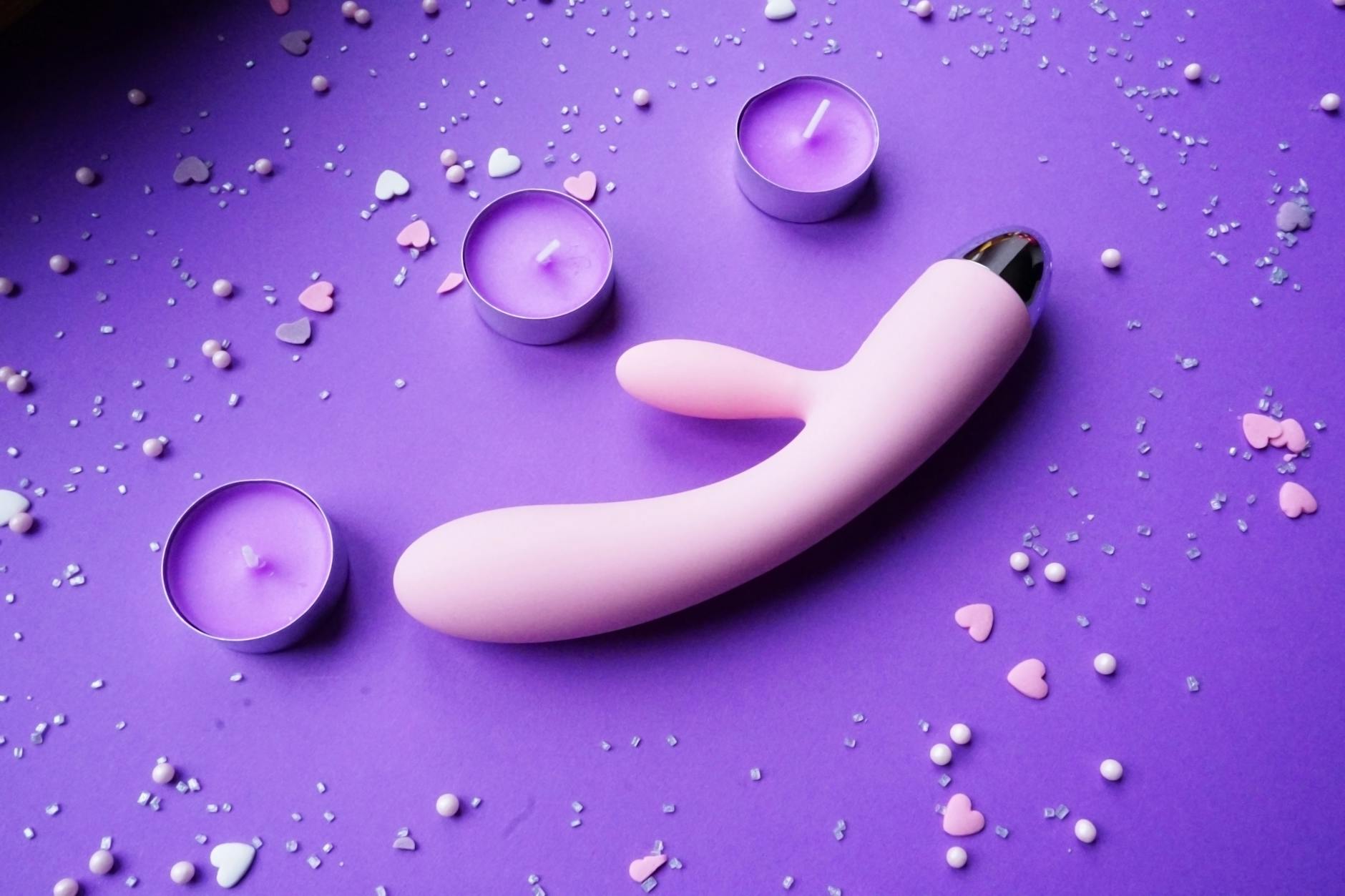
Lemon clitoral vibrators like those from Hello Nancy use gentle suction and targeted vibration, not direct friction. This design becomes relevant during perimenopause because thinning tissue and sensitivity shifts mean friction-based toys can feel either too abrasive or just disappointing.
The suction pattern on a device like the Lem works by stimulating nerve clusters without relying on the same kind of mechanical pressure that requires high estrogen levels to feel good. If your tissue sensitivity is variable this week, suction is more forgiving than a traditional vibrator that relies on direct stimulation.
Many people find that during fluctuating hormone months, the gentler approach actually delivers better orgasms because you're not fighting against inflammation or tissue changes. Your body's telling you what it needs. The device adapts better than you might expect.
The arousal shift you need to understand
Lower estrogen during perimenopause means arousal takes longer to build. You might have noticed this already. What used to take 5 minutes now takes 20. That's not psychological. Your clitoris engorges more slowly because blood flow has changed. Your natural lubrication is lighter.
This is also when many people report a subtle drop in spontaneous desire. You're not losing interest in sex. Your brain is receiving fewer estrogen-mediated signals to initiate it. That's a crucial difference. One is psychological. The other is biochemical.
Here's what helps. Budget more time for warm-up. Start with a lemon vibrator on lower patterns instead of jumping to what used to work. Your body's going to respond better when you're working with the new timeline instead of forcing the old one. And honestly, that slowness can lead to more intense sensations because you're building gradually instead of spiking fast.
The mood piece, which is actually huge
Perimenopausal sleep disruption is no joke. Hot flashes, night sweats, and irregular periods mean you're waking three times a night. When you're sleep-deprived, your dopamine tanks, your cortisol elevates, and desire evaporates.
This is also often when life stress compounds. You might be parenting teenagers, managing aging parents, facing a career transition, or sitting with relationship shifts after 15-20 years together. Perimenopause doesn't care about your life circumstances. It's going to dysregulate your nervous system anyway. Add psychological stress on top of hormonal stress, and pleasure becomes genuinely harder to access.
Lemon sexual toys can't fix sleep or life stress. But they can create a moment of reliable sensation when everything else feels chaotic. Solo play during perimenopause isn't frivolous self-care. It's a way to stay connected to your body while your body is communicating in a new language.
What actually helps right now
First, hydration and electrolytes matter more than you'd think. Perimenopause brings irregular sweating and blood sugar crashes that dehydrate you. Dehydration literally reduces blood flow and makes arousal slower. It's not fancy, but it works.
Second, consider whether you need to see a doctor about your perimenopause symptoms. If hot flashes are waking you nightly, if your period has become wildly irregular, or if mood shifts are severe, hormone testing and possibly low-dose HRT can stabilize things. A menopause-trained GP is different from your regular GP. They understand that perimenopause is a medical condition, not just a character arc.
Third, use lemon vibrators with lowered expectations about what "should" feel good. If your usual pattern doesn't land, try pattern 1 or 2 instead of jumping to 4. Arousal during perimenopause benefits from patience more than power. And you might discover that quieter sensations are actually more interesting than you thought.
When to check in with yourself
If pleasure has completely flatlined for several months and sleep is normal, hormonal issues might not be the only factor. Relationship disconnection, depression, or medication side effects often coincide with perimenopause. How Lemon Clitoral Vibrators Help When Antidepressants Affect Arousal covers medication interactions in detail.
If you're experiencing pain during penetration or with clitoral stimulation, that's not typical perimenopause texture shift. That's worth flagging with a gynecologist. Vulvodynia, vulvovaginal atrophy, and pelvic floor tension can all emerge during this phase and are very treatable.
If your desire is low but sensations feel normal once arousal happens, you're likely dealing with cortisol and sleep issues rather than pure hormonal damage. That's actually good news because those things move.
The long view here
Perimenopausal sensation changes are temporary. Yes, they can last 5-10 years. But they're not permanent. Your body will stabilize on the other side. What matters in this decade is not white-knuckling your way through with old methods. It's learning what your body actually wants now and building a relationship with that.
Lemon clitoral vibrators exist for this exact reason. They're flexible enough to work with your body as it shifts week to week. You're not broken. Your perimenopause is just louder than you expected. And that's completely manageable once you stop fighting it.
Frequently asked questions
How do I know if it's perimenopause or just stress affecting my libido?
Perimenopausal changes come with physical markers: irregular periods, hot flashes, night sweats, or sleep disruption. Stress alone usually doesn't change your period cycle or trigger hot flashes. If your cycle has become unpredictable in the last year or two and you're over 40, perimenopause is likely at play. Stress is usually also there, but hormones are probably driving the bus. A simple FSH blood test during a high day of your cycle can confirm perimenopause, though doctors often diagnose it clinically based on symptoms.
Why do lemon vibrators feel numb some days and too intense on others?
Tissue thickness and blood flow fluctuate with estrogen levels during perimenopause. When estrogen is higher, your clitoris has better engorgement and sensation feels sharper. When it dips, tissue thins slightly and the same stimulation can feel dull. This is completely normal and temporary. Lower starting patterns on your lemon adult toy during low-sensation weeks and adjusting up during higher-sensation weeks helps you stay consistent without fighting your body's rhythm.
Should I try HRT or supplements for perimenopause arousal changes?
Low-dose HRT, especially topical estrogen, can stabilize perimenopause symptoms including arousal changes for many people. Supplements like black cohosh, sage, and maca have some evidence but aren't regulated. Talk to a menopause-trained doctor about whether HRT makes sense for your specific situation. Some people do great on it. Others prefer to ride it out. There's no single right answer, but informed choice beats guessing.
Can lemon vibrators cause my sensitivity to get worse during perimenopause?
No. Regular use of a lemon clitoral vibrator doesn't cause numbness or desensitization. Perimenopause itself causes fluctuating sensitivity. In fact, maintaining regular solo play helps keep blood flow steady to genital tissues, which actually supports sensation long-term. If anything, consistent use during perimenopause helps you adapt to changes faster because you're keeping neural pathways active.
Does my partner need to understand that my pleasure has changed?
Yes, and it matters more than you might think. If your partner thinks you've lost interest when really perimenopause just changed your arousal timeline, resentment can build quietly. A simple conversation like "My body's changing hormonally and arousal takes longer now" prevents misunderstanding. Many couples also find that longer foreplay during perimenopause actually reconnects them in ways rushed sex never did. Shared knowledge transforms frustration into curiosity.
What if nothing feels good right now, even my favorite lemon vibrator?
When pleasure flatlines across the board, it's usually not purely hormonal. Sleep disruption, untreated depression, relationship tension, or medication side effects often underlie that. How Lemon Vibrators Improve Pleasure After Starting New Medications digs into medication interactions specifically. Start by checking sleep quality and mood. If both are okay, see a doctor. Complete anhedonia isn't normal perimenopause. It's worth investigating.
What comes next
Your early 40s aren't the beginning of the end of pleasure. They're actually the beginning of a phase where you learn what your body genuinely wants, separate from what you thought it should want. Perimenopause forces that conversation. Lean into it.
If you want to understand how lemon vibrators work across different life transitions, How to Ease Into Lemon Vibrators for Beginners Over 40 covers the whole spectrum of what's possible when you adjust expectations. And if you're in a partnership navigating these changes together, reaching out to us at /contact connects you with resources built for exactly this moment.