How Lemon Vibrators Improve Pleasure After Starting New Medications
When medication changes your body's response to touch, air-pulse lemon vibrators bridge the gap between the pleasure you remember and the pleasure you deserve right now.
You start a new medication. Your doctor runs through the side effects. They mention nausea, maybe headaches, possibly some weight fluctuation. What they usually don't mention is this: your body's response to pleasure might shift. Not disappear. Not vanish. Just... different. Slower to wake up. Harder to crest. Less intense in ways that feel frustrating until you understand what's happening.
This happens with SSRIs, blood pressure meds, hormonal contraceptives, anxiety medications, and a bunch of other prescriptions that genuinely improve your health. The trade-off feels unfair. But here's what I've learned working with couples navigating exactly this transition: it's not permanent, it's not broken, and it's absolutely fixable.
Most medications that affect arousal work through one of three mechanisms. Some suppress dopamine, the neurotransmitter that fires up desire and sensation-seeking. Others increase serotonin in ways that calm the nervous system so thoroughly that it dampens responsiveness to touch. A third group affects blood flow or nerve sensitivity directly, which changes how quickly tissue engorges and how intense nerve sensation feels.
The thing is, these same changes often mean your mental health improved. Your anxiety dropped. Your blood pressure stabilized. Your mood lifted. So your nervous system is catching its breath for the first time in months or years. That's actually good news, but it doesn't feel like good news when you're lying in bed wondering why nothing feels quite right anymore.
Here's what's NOT happening: your capacity for pleasure hasn't disappeared. Your clitoral nerve density hasn't changed. Your brain's pleasure centers are still there. What's changed is the speed and intensity of the signal traveling from touch to sensation.
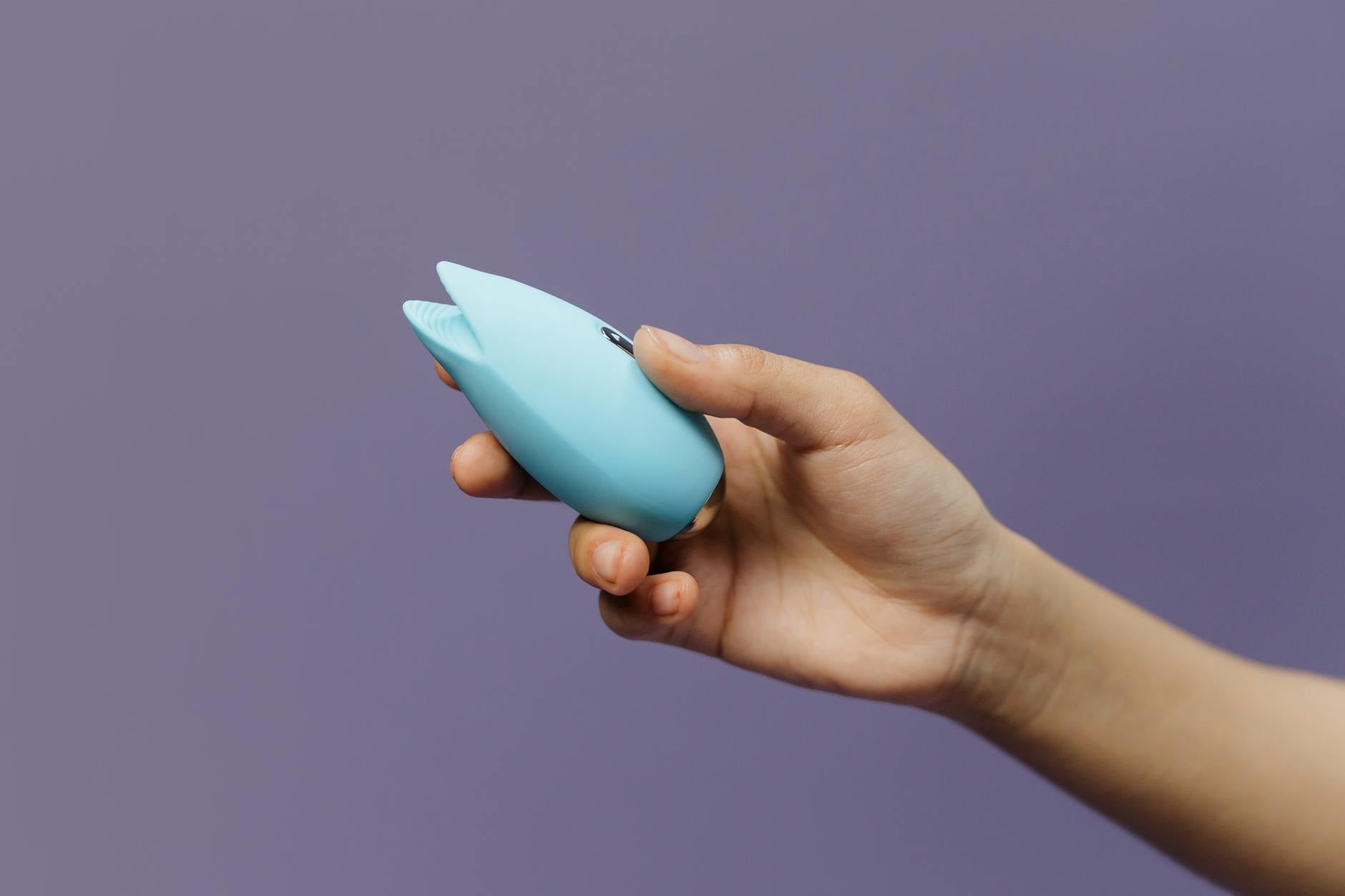
This is where air-pulse lemon clitoral vibrators like Hello Nancy's Lem become genuinely useful, not just a novelty. Unlike traditional vibrators that rely on steady oscillation, air-pulse technology creates a gentle suction-and-release pattern that stimulates without requiring the same level of directness that's now harder to feel.
When your nervous system is running slower because of medication, you're not missing sensation. You're experiencing it in slow motion. A lemon vibrator works differently than a conventional toy because it doesn't demand rapid neural firing. The pulsing action is almost rhythmic, meditative even. Your body can actually track what's happening instead of being overwhelmed by speed you can't quite register.
I've had clients tell me that switching to an air-pulse lemon sucker made everything feel accessible again. Not the same as before the medication. Different. Sometimes even better, because they weren't fighting their own neurology anymore.
When you first start a medication that affects arousal, resist the urge to panic or blame your relationship. The first three to four weeks are a literal biological adjustment period. Your brain is recalibrating dopamine and serotonin. Your body is learning new baseline sensations. This is not the permanent state.
Here's what actually helps during those early weeks:
Budget more time. If foreplay used to be fifteen minutes, try thirty. You're not broken. You just need longer for the signal to travel.
Start with external stimulation only. Internal sensation often comes back second. A lemon clitoral vibrator lets you focus where sensation is sharpest and easiest to feel.
Talk to your partner about this as a neutral fact, not a crisis. Say something like: "My medication is shifting how quickly I respond. That's expected and temporary. Here's what I need." Separate the biology from the relationship.
Consider reaching out to your prescriber. Some medications have alternatives. If one SSRI tanks your libido but another doesn't, that information matters. Doctors can sometimes adjust dosage or timing. Don't suffer in silence assuming this is just the cost of being medicated.
Around week four or five, most people notice something shifting back. Not all the way, usually. But directional. Sensation starts returning. Arousal builds a little faster. Your nervous system has adapted to the medication's presence.
This is when many people find that a lemon vibrator goes from feeling like a workaround to feeling like an actual enhancement. You're not using it to compensate for numbness anymore. You're using it because it feels genuinely good and offers a different kind of stimulation than your fingers or a partner can provide.
The air-pulse technology that seemed necessary during adjustment becomes a choice. And lots of people stick with it because they prefer it. That's valuable information about what your body actually likes, separate from what you thought you'd like before the medication.
If you're in a relationship, the medication shift often feels like a problem to solve together when it's actually information to work with. Your partner might interpret slower arousal as lower desire. You might feel self-conscious about needing more time or a different approach. That's where the conversation matters more than the vibrator.
Tell your partner what you need. Not "I'm broken." Say: "My nervous system is processing things more slowly right now. I need you to slow down with me." That's not a rejection. That's a direction.
If your partner feels insecure about a lemon vibrator entering the picture, address that directly. It's not replacing them. It's a different kind of input, like the difference between a massage and a pressure point. Some people benefit from both.
If your arousal hasn't shifted at all after six weeks, or if it's gotten worse, mention it. Some medications genuinely do require dose adjustment or switching. A good prescriber will take this seriously because sexual health is part of overall health, not a luxury extra.
There are also topical solutions. If it's a lubrication issue, water-based lube designed for sensitive tissue helps. If it's a blood flow problem, some doctors will discuss timing doses differently or adding a complementary medication. If it's purely dopamine suppression, there are strategies beyond just waiting.
Don't assume you're stuck with the version of pleasure you have right now. You have options.
Starting a new medication is one of those moments where you're not actually choosing between pleasure and health. You're choosing health first, then figuring out pleasure on new terms. A lemon clitoral vibrator, patience, communication with your partner, and clarity with your doctor aren't about getting back to baseline. They're about building something that works for who you are right now, on this medication, with this nervous system.
Your pleasure matters. Your health matters too. They're not in competition.
Most people notice improvement between weeks four and twelve, depending on the medication and their body. SSRIs can take the full twelve weeks to settle. Some people find that after the initial adjustment period, arousal returns to baseline. Others find it stabilizes at a new normal. The timeline is individual, but three months is a reasonable window before assuming the change is permanent.
Yes, often. During the adjustment phase, you might need the stimulation from an air-pulse lemon vibrator to feel sensation at all. Once your nervous system settles, that same vibrator might feel more intense or different in character. Some people find they need less intensity. Others discover they actually prefer the sensation even after arousal returns. That's useful data about your body.
Low desire and low sensation are different things. Desire is often the first thing to shift with medications affecting dopamine. This is common and usually temporary. If desire hasn't budged after eight weeks, that's worth discussing with your prescriber. There are strategies, including dose timing adjustments or medication switches, that can help. You shouldn't have to choose between mental health and sexual desire.
Absolutely. A lemon sucker works alongside lubrication, longer foreplay, partner communication, or any other strategy you're using. It's not an either-or situation. Air-pulse technology is just different input than traditional vibration, so combining approaches often works better than any single solution.
That's where the conversation happens before the toy arrives. Frame it as a response to your medication, not your partner. "My nervous system is responding slower right now. This isn't about you or my attraction. It's a tool that helps my body wake up faster." Lots of partners feel relieved when they understand that a lemon vibrator isn't replacing them. It's solving a problem together.
Six to eight weeks is a reasonable adjustment window. If pleasure response hasn't improved by then, reach out to your prescriber. Some medications genuinely do suppress arousal long-term for some people, and that's information worth having. You might switch to a different medication in the same class, adjust dosage, or try complementary strategies. You're not stuck. You're figuring it out with support.
If medication has shifted your pleasure and you're not sure how to navigate it, start with a conversation. Talk to your partner about what's changed and what you need. Reach out to your prescriber if six weeks in you're not noticing improvement. Try one lemon vibrator to see if a different kind of stimulation helps bridge the gap while your body adjusts.
Pleasure is worth protecting and rebuilding. Your health is worth it too. They're not in conflict. You're just working with new information about your body.
If you want to talk through what's happening with your specific situation, reach out to us. We're here to help you understand your body and what works for you now.