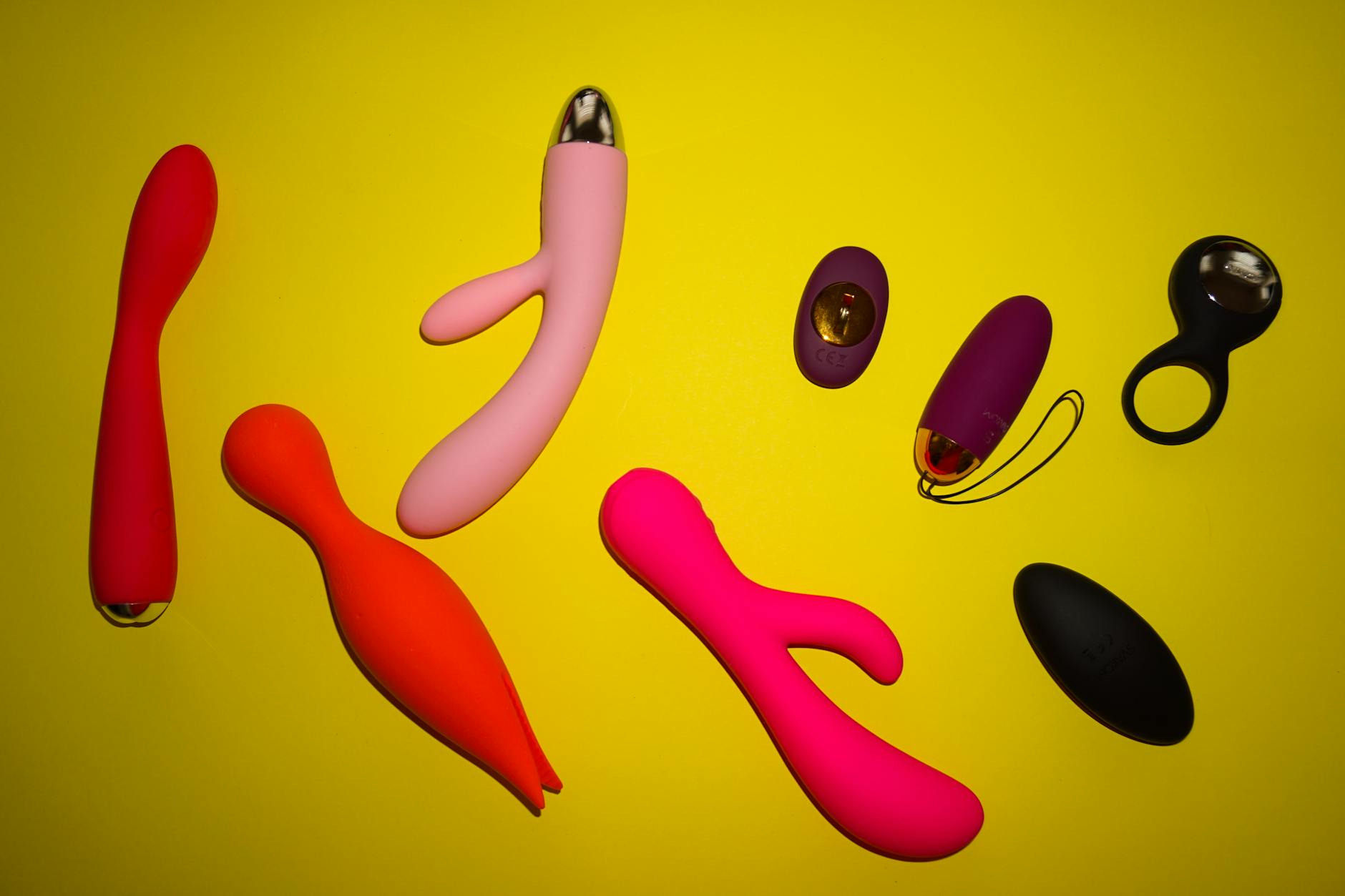
How Lemon Clitoral Vibrators Help When Antidepressants Affect Arousal
Let's be real. Antidepressants save lives. They also, in about 40 percent of people taking them, make orgasm harder or impossible to reach. That's not a character flaw. That's a known side effect that deserves a direct solution.
Here's the thing: most people don't talk to their doctor about this. They stop taking the medication. Or they stop having sex. Or they sit quietly in the numbness and assume it's permanent. None of those are great options. The actual good news is that lemon clitoral vibrators, especially air-pulse models, work in a way that can help bypass the arousal flatten that SSRIs and SNRIs create. Not magic. Physiology.
How antidepressants actually change sensation
SSRIs (like sertraline, paroxetine) and SNRIs (like venlafaxine) work by increasing serotonin in your brain. That's the point. The problem is that serotonin also plays a role in sexual response. Higher serotonin can mean lower dopamine signaling in the reward pathways that drive desire and orgasm. It's not that you can't feel pleasure. It's that the signal is quieter. Your body is there, but the volume is turned down.
Some people describe it as feeling distant from their own arousal. Others say orgasm is still possible but requires intense, prolonged stimulation. Some report that they need significantly more time to get there. And some find that the sensation feels numb, even when physically present.
There's also a timing piece. Antidepressants don't all do this equally. SSRIs cause sexual side effects in about 40-60 percent of people. SNRIs are slightly better, affecting 20-40 percent. But when it happens, it's usually consistent and dose-dependent. Higher doses, more numbness.
Why lemon vibrators work differently than other toys
Here's where the design of Hello Nancy's lemon clitoral vibrators actually matters. Most vibrators work through vibration alone. They oscillate at a set frequency and rely on the nerve endings in your clitoris to pick up that signal. When those nerve endings are muffled by medication, vibration alone often doesn't cut through.
Air-pulse lemon vibrators work differently. Instead of vibration, they use gentle suction and release cycles. This creates stimulation that doesn't depend entirely on the same neural pathways that antidepressants affect. It's a different sensory channel.
Think of it this way. If vibration is knocking on a door that's slightly deadened, air-pulse is creating a pressure wave that moves through the tissue itself. It's harder to ignore. People on antidepressants who've tried both often report that the suction sensation of a clitoral sucker cuts through the numbness better than traditional vibrators do.
There's also a psychological component. When medication flattens sensation, you're often bracing against disappointment. You tense. That tension makes everything worse. The gentler, slower ramp-up of air-pulse stimulation gives your nervous system permission to relax into it instead of fighting it.
The research on medication and pleasure response
Not enough studies have directly tested how specific toy designs help with antidepressant sexual side effects. That gap in research is real and frustrating. But here's what the broader evidence tells us.
First, the problem is neurological, not psychological. This is important. You're not broken. You're not less sexy or less responsive. Your brain chemistry is different. That distinction changes how you approach solutions.
Second, people who actively experiment with different stimulation types and intensities report better outcomes than those who just wait for desire to return on its own. Sometimes desire doesn't come back naturally. But responsiveness, with the right input, often does.
Third, topical medications like desensitizing creams or even low-dose estrogen creams can sometimes help, especially if you're assigned female at birth. Not everyone, but some. That's a conversation for your prescribing doctor, especially if you're also considering how medication affects longer-term relationship dynamics.
Photo by Anna Shvets on Pexels
What actually helps. A practical roadmap.
Start with lower doses if possible. Talk to your prescriber about whether a dose adjustment makes sense. Sometimes a slightly lower dose maintains mood stability while reducing sexual side effects. Not always, but sometimes worth exploring.
Switch medications if side effects are intolerable. Different SSRIs and SNRIs have different side effect profiles. Bupropion (Wellbutrin), for instance, is much less likely to cause sexual side effects. So are some tricyclic antidepressants and the newer agents. You might not need to choose between your mental health and your pleasure. You might just need a different medication.
Use lemon vibrators deliberately, not as a workaround. This is important. Don't use a clitoral sucker as a band-aid solution that lets the numbness stay. Use it as an actual tool to train your body to respond again. That means setting aside time. Building in patience. Expecting that the first few attempts might not work, and that's fine.
Build longer foreplay. Antidepressants often increase the time it takes to build arousal. Instead of fighting that, accommodate it. Spend 20-30 minutes on touch, conversation, warmth before you even introduce toys. Your nervous system has been dampened. It needs a longer runway.
Layer in sensation. Try combining lemon clitoral vibrators with temperature play (ice, warm hands), different textures, or audio. Your brain is more engaged when multiple senses are activated. That engagement can sometimes break through the numbness.
What to tell your doctor
This matters. Your prescriber can't help you if they don't know this is happening. And they might have solutions you haven't considered. Here's what to say.
"Since starting (medication name), I've noticed my arousal and orgasm have changed significantly. It's affecting my relationship and my quality of life. Can we talk about options? Would a dose adjustment help? Is there a different medication with fewer sexual side effects? Are there other strategies that might help?"
That opens the conversation without shame. Most doctors have heard this before. The ones worth working with will take it seriously.
When pleasure comes back (it often does)
Sometimes the numbness is temporary. Your body adjusts after a few months. Sometimes it doesn't. Sometimes you need to switch medications. Sometimes you need to get creative with your pleasure.
Most people who stick with treatment and actively work on restoring pleasure report that it does come back. Not identical to before. Different, sometimes better because it requires intention and patience instead of ease.
If you're partnered, involve them. Explain that this is medication-related, not about them or the relationship. Let them know what helps. Make it a shared exploration instead of a secret shame. That changes everything.
FAQ: Antidepressants and Lemon Vibrators
Can lemon clitoral vibrators help if my arousal is completely numb?
Maybe. Clitoral suckers sometimes cut through the numbness better than traditional vibrators because they use a different stimulation pattern. But if sensation is completely absent, your prescriber needs to know. This might indicate you need a medication change, not just a different toy.
Should I stop taking my antidepressant to get my pleasure back?
No. Depression itself kills pleasure. If your medication is working for your mood, stopping it often makes sexual function worse, not better. Talk to your doctor about alternatives first. Medication adjustments, different drugs, or combined approaches usually work better than stopping.
How long does it take for sexual side effects to go away if I switch medications?
It varies. Some people feel a difference within a week or two. Others take a month or more for full sexual function to return. Your nervous system needs time to recalibrate. Be patient with it.
Is it normal for orgasm to feel different even after sexual side effects improve?
Completely normal. After months of medication-related numbness, your body's pleasure response might feel unfamiliar at first. Keep using lemon vibrators and exploring. Sensation usually deepens over time.
Can I use lemon vibrators while taking antidepressants long-term?
Yes. Many people on SSRIs and SNRIs who've adjusted their expectations and found tools that work (like air-pulse clitoral vibrators) have satisfying sexual lives. It might look different than before medication, but it's absolutely possible.
Does the dose of antidepressant affect how much sexual side effects I'll experience?
Generally, yes. Higher doses tend to cause more sexual side effects. That's why talking to your prescriber about dosing is worth doing. Sometimes a slightly lower dose still treats depression effectively while reducing bedroom numbness.
The actual takeaway
Antidepressants change pleasure for some people. That's a documented side effect with solutions. Lemon clitoral vibrators, especially air-pulse models, can help because they create sensation through a different pathway than traditional vibrators. But they're only one piece.
The bigger piece is honesty with your doctor, patience with your body, and permission to approach pleasure differently than you did before medication. Your mental health matters. Your pleasure matters too. You don't have to sacrifice one for the other.
If you're navigating these changes, you're not alone. This is worth talking about with your prescriber and with your partner if you have one. The lemon vibrators are the tool. The conversation is the foundation.
Want to explore which Hello Nancy product might work best for your situation? Check out our buying guide or reach out to our team directly.