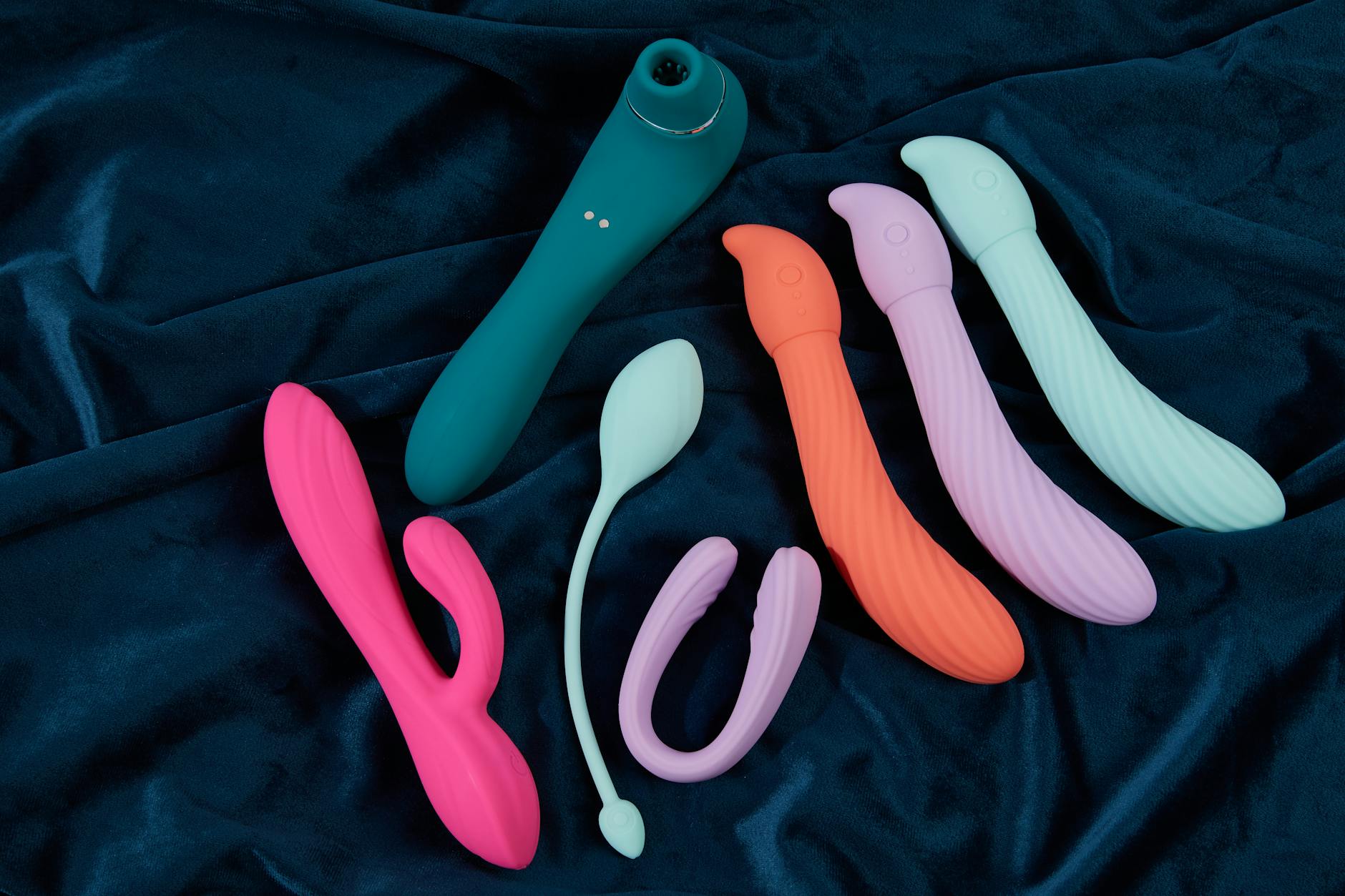
The real reason desire dies in long-term partnerships
Honestly? It's not what you think. Most couples assume low libido means "we're not attracted anymore" or "the spark is gone." Then they feel guilty and stop talking about it. What actually happens is quieter and more fixable than that.
Low libido in long-term relationships is usually boredom, disconnection, stress, or habit. Not absence of love. And that distinction changes everything about how to fix it.
Why the body just stops responding
After five, ten, or twenty years together, sex can feel predictable. Same rhythm, same positions, same timing. Your brain literally stops paying attention. The nervous system, which drives arousal, thrives on novelty and attention. When neither is present, desire flatlines. This isn't a character flaw. It's neurobiology.
Add in the actual pressures of long-term life: work stress, parenting, aging parents, financial anxiety. Cortisol is high. Oxytocin (the bonding hormone) drops without regular physical intimacy. It becomes a loop: less sex leads to less connection, which leads to less desire, which leads to less sex.
What's interesting is that the solution isn't always "more sex." Sometimes it's better sex. And better often means: introducing something that creates genuine novelty without requiring a partner swap or a total reinvention of the relationship.
That's where tools like lemon vibrators come in. Not as a Band-Aid. As a reset button.
How a clitoral vibrator breaks the stagnation pattern
I've worked with hundreds of couples where desire had genuinely stalled. The most common pattern is this: one partner (often the woman) loses interest because intercourse, as currently structured, isn't delivering what they need. They don't say that explicitly. They just "feel tired" or "not in the mood." The other partner interprets this as rejection. Resentment builds quietly. Eventually, both people check out.
Introducing a tool like the Lem (a lemon clitoral vibrator that uses air-pulse technology instead of traditional vibration) often breaks that loop because it does something unexpected: it gives the person with lower desire control over their own sensation and pleasure. Suddenly, they're not dependent on their partner's timing or technique. They can explore what actually feels good to them.
This sounds simple, but it's powerful. When you experience real pleasure in your own body again, your brain reorients. Desire isn't something your partner has to "give you." It's something you generate. And that shifts the entire dynamic.
The novelty factor is real
Research on long-term couples shows that novelty is one of the strongest predictors of sustained desire. Not necessarily novelty with different people. Novelty in the experience itself.
When you introduce a clitoral vibrator into your solo routine or partnered routine, three things happen:
First, neurologically. Your brain registers this as new. New sensation, new rhythm, new possibility. That novelty triggers dopamine, which is the neurotransmitter that drives want and motivation. Suddenly sex doesn't feel like an obligation on the calendar. It feels like exploration again.
Second, practically. If you've been struggling to reach orgasm through intercourse alone (which, statistically, most women do), a tool designed specifically for clitoral stimulation removes that friction. Literally. When orgasm becomes accessible and reliable, the motivation to engage increases. This isn't complicated.
Third, relationally. If your partner sees that you're engaged with your own pleasure, that's attractive. There's something magnetic about watching someone in their own power. It can rekindle desire in the watching partner too, which creates a feedback loop that actually works.
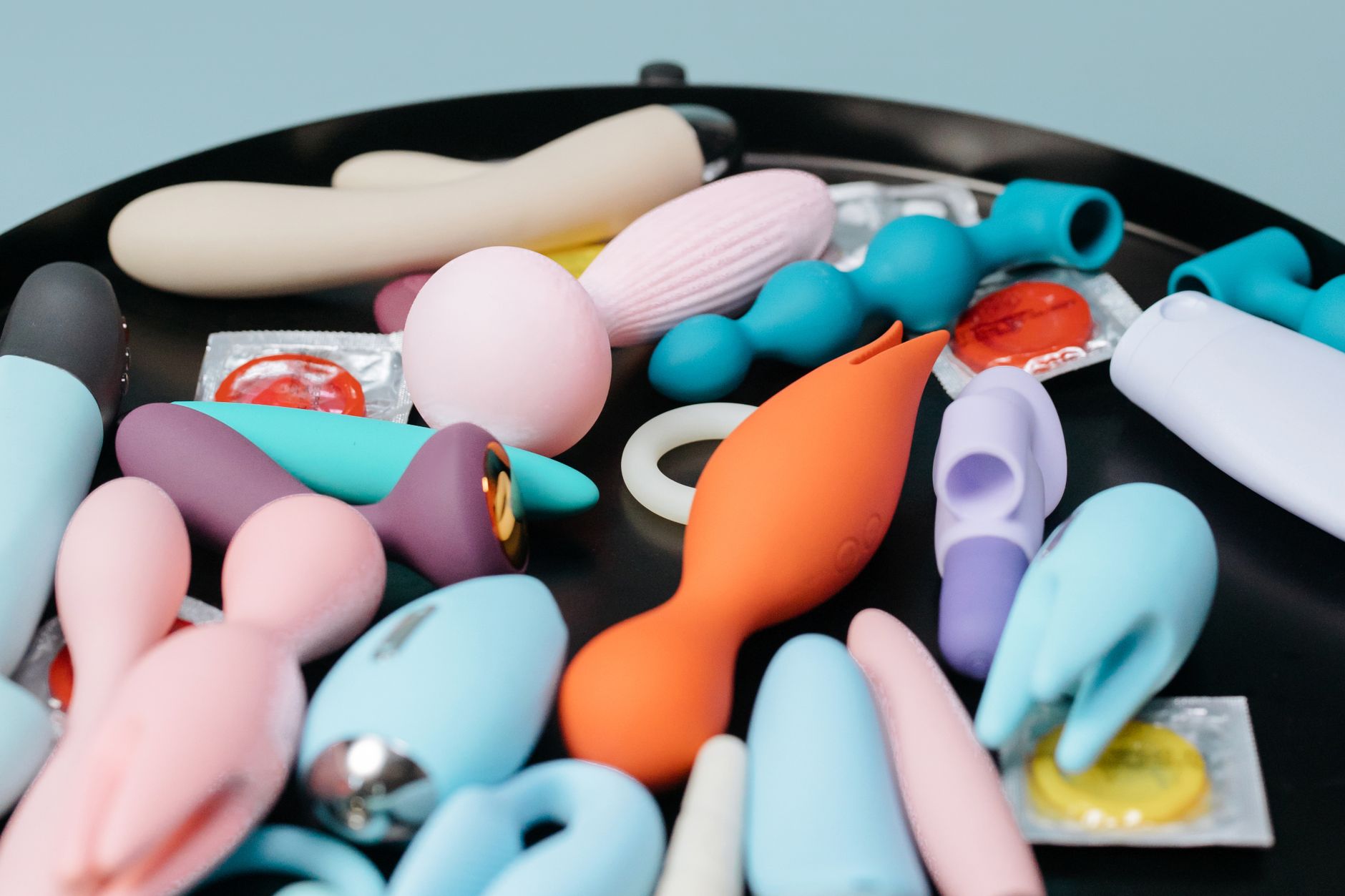
Photo by cottonbro studio on Pexels
The difference between air-pulse and traditional vibration
Not all clitoral vibrators work equally well for couples trying to reignite desire. Traditional vibrators use direct vibration, which can become numbing over time. Your body adapts, and you need more intensity to feel the same sensation. That's a dead end.
Air-pulse lemon vibrators work differently. They use gentle suction and pulsing air waves to stimulate the clitoral complex. This mimics oral stimulation more closely and feels less like constant buzzing. The sensation stays novel because each pulse pattern feels distinct. You don't build tolerance the same way. That means the novelty factor stays longer.
For couples specifically, this matters because it means the tool stays interesting. It's not something that gets used twice and shoved in a drawer.
How to actually introduce this to your partner
If low libido has been a quiet tension in your relationship, bringing in a tool requires some care. Not because it's shameful, but because it might feel loaded. Like you're saying "our current routine isn't working." Which is true, but it can land wrong.
Here's what works: frame it as something for you, not as a commentary on them. "I want to explore my own pleasure more, and I'd like your company while I do that" is completely different from "we need to do this because things aren't working." The first is invitation. The second is criticism.
If your partner feels threatened, that's worth exploring separately, ideally with someone trained in couples work. How Lemon Vibrators Help Couples Reconnect After Life Changes covers this in detail, but the short version is: fear usually comes from feeling replaced or inadequate. Those are deeper conversations. A tool just makes those conversations possible, not automatic.
The solo play element matters more than you'd think
One of the biggest shifts I see in couples where desire has stalled is when the lower-libido partner starts using a clitoral vibrator alone. Not necessarily hiding it. Just having their own practice.
Why this resets things: they remember what their own arousal feels like. They're not performing for anyone. They're not checking whether they're "taking too long." They're just experiencing pleasure. And that becomes internal data. They remember their own capacity for sensation. That's huge for confidence and desire.
Then, when they engage with their partner, they're not coming from a place of obligation or pressure. They're coming from a place of "I know what feels good to me now, and I want to share that with you." Complete different energy.
What doesn't work (and why expecting it to is unfair)
If the real issue in your relationship is emotional distance, resentment, or a partner who refuses to show up, a vibrator won't fix that. Tools amplify what's already there. If there's good will and affection underneath the low libido, introducing novelty can spark things back to life. If the foundation is broken, you need a therapist first. How to Introduce Lemon Vibrators to Your Partner Without Awkwardness walks through the conversation piece, but the truth is some couples need to rebuild trust before anything else.
Similarly, if low libido is rooted in hormonal changes (like perimenopause or medication side effects), a vibrator helps with pleasure but doesn't address the root cause. You'd want to work with a doctor simultaneously. Why Lemon Vibrators Feel Different During Perimenopause explores this specific intersection.
The point: tools are tools. They're powerful when the relationship foundation is there. They're not magic when it isn't.
The long game
What I've noticed over decades of couples work is that desire doesn't stay constant in any relationship. It ebbs. Sometimes that's health, sometimes it's life stage, sometimes it's neglect. The couples who maintain connection through those valleys aren't the ones with the most exciting sex lives. They're the ones willing to experiment, stay curious, and keep showing up.
Introducing something like a lemon clitoral vibrator says: "I'm not accepting that this is just how it is now. I'm interested in finding what actually works for both of us." That willingness itself is an act of intimacy.
People also ask
Will using a vibrator make my partner feel inadequate?
Only if you position it that way. Framing matters enormously. "I want to explore what feels good to me" is different from "you're not satisfying me." If your partner struggles with insecurity, that's real, but it's a conversation to have directly, not a reason to abandon your own pleasure. A good partner wants their person to feel good. Help them understand that.
Can we use a lemon vibrator together if we've never used toys before?
Absolutely. Air-pulse lemon vibrators are actually ideal for couples introducing toys because they feel less aggressive than traditional vibrators. Start with the lowest setting. Let it be part of foreplay, not the main event. The goal is comfort and exploration, not performance. You're both learning together.
How often should we use it if we're trying to rebuild desire?
There's no magic number. Some couples find that introducing novelty once or twice a month is enough to keep things interesting. Others integrate it more regularly. The real test: does it feel like something you both want, or does it feel like another task? If it's the latter, you're pushing too hard. Let it be organic.
What if my partner wants to use it and I'm nervous?
Nervousness often comes from vulnerability. You're about to see your partner engaged with pleasure in a way you might not have witnessed. That can feel intimate in a new way, which is why it sometimes feels scary. Talk about what you're nervous about specifically. Is it about being replaced? About feeling like you're not enough? Those fears are worth naming. Usually once they're spoken, they lose power.
Does using a vibrator together actually improve long-term desire?
Not by itself. It's one tool in a larger toolkit. What improves long-term desire is the willingness to keep showing up, stay curious, and prioritize connection. A vibrator just makes that easier because it removes some of the friction (both literal and emotional) that keeps couples stuck. It's not the solution. It's the thing that makes solutions possible.
Can lemon vibrators help if I have a history of sexual trauma?
This is individual. Introducing any new tool requires feeling genuinely safe. That might mean working with a trauma-informed therapist first, or going very slowly with a partner you trust completely. There's no rush. Your nervous system's safety comes first.
What actually changes
When couples reintroduce novelty and pleasure into a stalled relationship, the shift isn't usually dramatic. It's subtle. More touch. More laughter. Actual conversation about what feels good instead of just assuming. A willingness to be vulnerable together again.
Low libido in long-term relationships isn't a sentence. It's information. It's your body and mind telling you something needs to shift. Sometimes that's introducing a tool. Sometimes that's finding a therapist. Usually it's both, plus patience, and a genuine commitment to your partner's pleasure as well as your own.
Your desire matters. So does theirs. The couples who figure that out tend to stick around.
If you're ready to explore what might work for you, Hello Nancy's clitoral vibrators are designed for exactly this: bringing novelty and pleasure back when things have gone stale. And if you want to talk through how to introduce this to your relationship specifically, contact Hello Nancy and we can point you toward resources that fit your situation.