
Let's be real about what perimenopause does to sensation
Perimenopause changes how your body responds to stimulation. It doesn't kill desire, doesn't end pleasure, and definitely doesn't mean you're broken. But ignoring the shifts? That's when frustration happens. Your favorite lemon vibrator might suddenly feel too intense, or not intense enough. Your body might need more warm-up time. Sensation might feel different in ways you can't quite name.
I see this in my practice constantly. Women in their 40s showing up convinced something's wrong with them, when really it's hormonal fluctuation doing predictable things to tissue, blood flow, and nerve sensitivity. Understanding what's actually happening makes the fix obvious.
How estrogen shapes sensation
Estrogen does a lot of invisible work. It keeps the tissues lining your vulva thick and elastic. It maintains blood flow to the clitoris. It influences how quickly arousal builds and how intensely nerves fire. When estrogen fluctuates during perimenopause, these things change.
Tissue becomes thinner and more sensitive to pressure. That vibrator setting you've used for years? It might sting now instead of feel amazing. Arousal takes longer because blood flow isn't as immediate. The clitoris can feel oversensitive on some days and muted on others, depending where you are in your cycle.
Here's the important part: this isn't permanent damage. It's adaptation. Your nervous system is recalibrating to new hormone levels. That recalibration means your pleasure map is rewriting itself. Most women find their sweet spot within weeks if they're willing to experiment.
Why lemon vibrators adapt better than traditional toys
A traditional vibrator works through direct vibration against tissue. During perimenopause, when tissue is more delicate and sensation is heightened, that constant buzz can feel sharp or even painful. You end up fighting your own body instead of enjoying it.
Lemon clitoral vibrators use air-pulse suction technology instead. Suction doesn't drill against tissue the way vibration does. It creates a gentler, broader stimulation that engages nerve endings without the mechanical pressure. For perimenopause bodies, this matters tremendously.
The other advantage is flexibility. A lemon vibrator like the Lem gives you multiple intensity settings. On days when hormones have your tissue feeling tender, you can use patterns 1 or 2, which feel almost gentle. On days when sensation is muted, you jump to pattern 5 or 6. You're not locked into one experience.
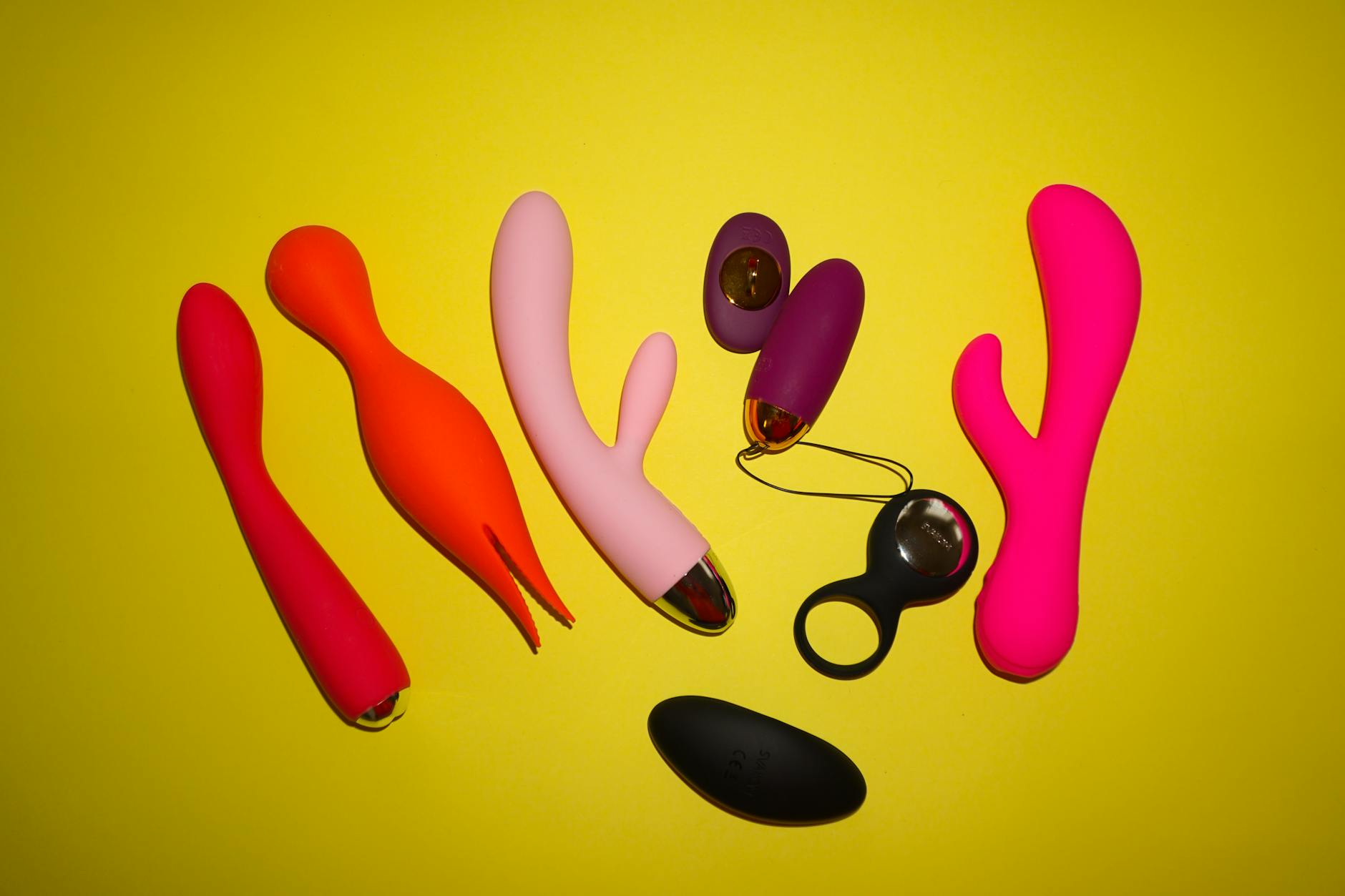
Photo by FounderTips on Pexels
The perimenopause arousal timeline shift
In your 20s and 30s, arousal might hit in 5 minutes. During perimenopause, budget 15 to 25 minutes. This isn't a flaw. It's your body being honest about what it needs.
Why? Estrogen influences how quickly blood vessels dilate in the genital region. Lower or fluctuating estrogen means slower blood flow ramp-up. Your nervous system is also processing more sensory information as hormones shift, so it takes longer to settle into arousal.
Most people interpret this as "I'm not interested anymore." Wrong frame. You're interested. Your timeline just changed. When you build in that longer warm-up time, arousal builds just as intensely. It just takes a different path to get there.
This is where air-pulse lemon vibrators shine again. You can start with lower-intensity patterns during the warm-up phase, letting sensation build gradually. By the time you're fully aroused, your body knows what it wants and the toy is already calibrated to your actual need state, not an imaginary one.
Hormonal fluctuation within your cycle
During perimenopause, your cycle gets weird. You might skip a month, then have a 10-day bleed. You might have two periods three weeks apart. This chaos means hormone levels are all over the place even within a single cycle.
This affects sensation. In the follicular phase, when estrogen is climbing, your tissues might feel plumper and sensation more muted. You'll need more intensity. In the luteal phase, when progesterone is high, tissue sensitivity often peaks. That same pattern on the lemon vibrator might feel overwhelming now.
This is why flexibility in your tools matters. A lemon sucker gives you the range to match whatever phase you're in without buying a whole new toy. Day 1 of your period, you're on pattern 2. Day 21, you're on pattern 5. You're not fighting yourself. You're adapting.
Keeping a simple pleasure journal helps. Nothing fancy. Just "Day 15, pattern 4 felt best" or "High sensitivity this week, stuck to 1 and 2." After three months, you'll see your personal pattern. You'll know what your body needs when.
What changes and what absolutely doesn't
Your clitoral nerve density doesn't change. Your brain's capacity for pleasure doesn't change. Your ability to orgasm, often intensely, doesn't change. You're not broken. You're not less responsive. You're different.
The clitoris is incredibly complex. It has 8,000 nerve endings. Hormones shape how those nerves fire, not whether they fire. Some of my clients report their most intense orgasms come during perimenopause because they finally understand their own bodies well enough to ask for what actually works.
The frustration happens when you expect the old experience and get a new one. You blame yourself or your body. But you're just meeting a different version of yourself that deserves attention and respect.
The practical adjustments that work
Four changes I recommend to almost every client in perimenopause:
Use water-based lubricant, always. Thinner tissue benefits from lubrication even if you used to self-lubricate abundantly. This isn't about being broken. It's about creating ideal conditions for pleasure. Good lube makes the experience richer and sensation clearer.
Start at lower intensity than you think you need. Your first instinct during perimenopause is to turn up the power to feel what you used to feel. Wrong move. Start low, let sensation build, adjust up if needed. You'll find the sweet spot faster and avoid overstimulation.
Extend warm-up time intentionally. Don't see this as a loss. This is foreplay time. Connection time. Mental preparation. Some of the most satisfied clients I work with actively enjoy the longer build now.
Pay attention to your pelvic floor tension. Perimenopause often brings pelvic floor tightness because of lower estrogen. A tight pelvic floor can limit sensation and make orgasm harder to reach. Breathing into that tension before pleasure time helps. So does gentle stretching.
When to get professional support
If sensation is completely gone, pain appears where pleasure used to be, or desire has flatlined, that's worth discussing with a gynecologist trained in perimenopause. Not because something is wrong with you, but because medical support exists.
A topical estrogen cream applied to the vulva can thicken tissue and improve sensation within weeks. It has minimal systemic absorption. Low-dose vaginal estrogen is different from systemic hormone therapy and is worth understanding.
Desire issues sometimes trace back to sleep disruption from night sweats, not hormones directly. Sometimes it's relationship stress that arrived alongside perimenopause. A good therapist can help you separate what's biochemical from what's relational.
The relationship layer
If you have a partner, this transition hits you both. They might take changes in your response personally. You might feel self-conscious about needing more time or different sensation. Neither of those reactions helps.
The most valuable conversation is the honest one. "My body is responding differently, and I'm learning what feels good right now" is a statement of fact, not blame. It opens the door to exploration instead of closing it.
You're not less interested. You're more interesting. You're asking your body what it actually needs instead of following a script that worked at 25. That's evolution, not decline.
FAQ
Can I still use any lemon vibrator during perimenopause, or do I need a specific model?
Most lemon clitoral vibrators work during perimenopause, but air-pulse models like the Lem are gentler on sensitive tissue than older traditional designs. If you already own a lemon vibrator, start with the lowest setting first. If you're buying new, look for adjustable intensity and air-suction technology. You want flexibility to match your fluctuating needs.
Why does my lemon vibrator feel too intense suddenly when it never did before?
Hormonal fluctuation thins tissue and heightens nerve sensitivity. That vibrator setting that felt perfect last year is now pressing against more delicate tissue. This is normal, not a sign of damage. Move to a lower intensity setting, add lubricant, and allow longer warm-up time. Your body adapts quickly once you stop fighting it.
How long does it take to adjust to new sensation during perimenopause?
Most women find their new pleasure groove within 2 to 4 weeks once they understand what's happening. You're not learning pleasure from scratch. You're recalibrating your existing knowledge to new physical conditions. Patience with yourself during this adjustment makes the difference between frustration and discovery.
Should I use lubricant if my body used to self-lubricate well?
Yes. Perimenopause often reduces natural lubrication even when desire is strong. Lubrication improves sensation, reduces friction, and makes the whole experience richer. This isn't failure. It's biology. Water-based lube works with all toy materials and feels natural.
Is it normal for my pleasure to be different depending on which day of my cycle it is?
Completely normal. During perimenopause, hormone fluctuation within your cycle is dramatic. Follicular phase tissue feels different than luteal phase tissue. Sensation varies. Energy varies. One week you want intensity. The next week you want subtlety. Tracking these patterns helps you work with your body instead of against it.
What if nothing feels good during perimenopause?
That's worth investigating with a gynecologist trained in midlife health. Sometimes sensation issues trace back to medication side effects, thyroid issues, sleep deprivation from night sweats, or low-dose estrogen deficiency that responds well to treatment. Sometimes desire dropped because of relationship stress that arrived alongside perimenopause. A professional conversation helps you figure out what's actually happening instead of assuming it's permanent.
The honest closing
Perimenopause rewrites your pleasure map. It's frustrating until you understand what's being rewritten and why. Once you do, it becomes an opportunity to know your body in a completely new way.
Your sensitivity isn't weakness. It's information. Your need for longer warm-up isn't a problem. It's permission to slow down. Your preference for air-pulse lemon vibrators over traditional toys isn't settling. It's choosing tools that actually work for your current body.
You're not broken. You're becoming. And your pleasure matters just as much now as it ever did.
If you want to explore how your relationship might adapt during this transition, reach out to Hello Nancy. You don't have to figure this out alone.