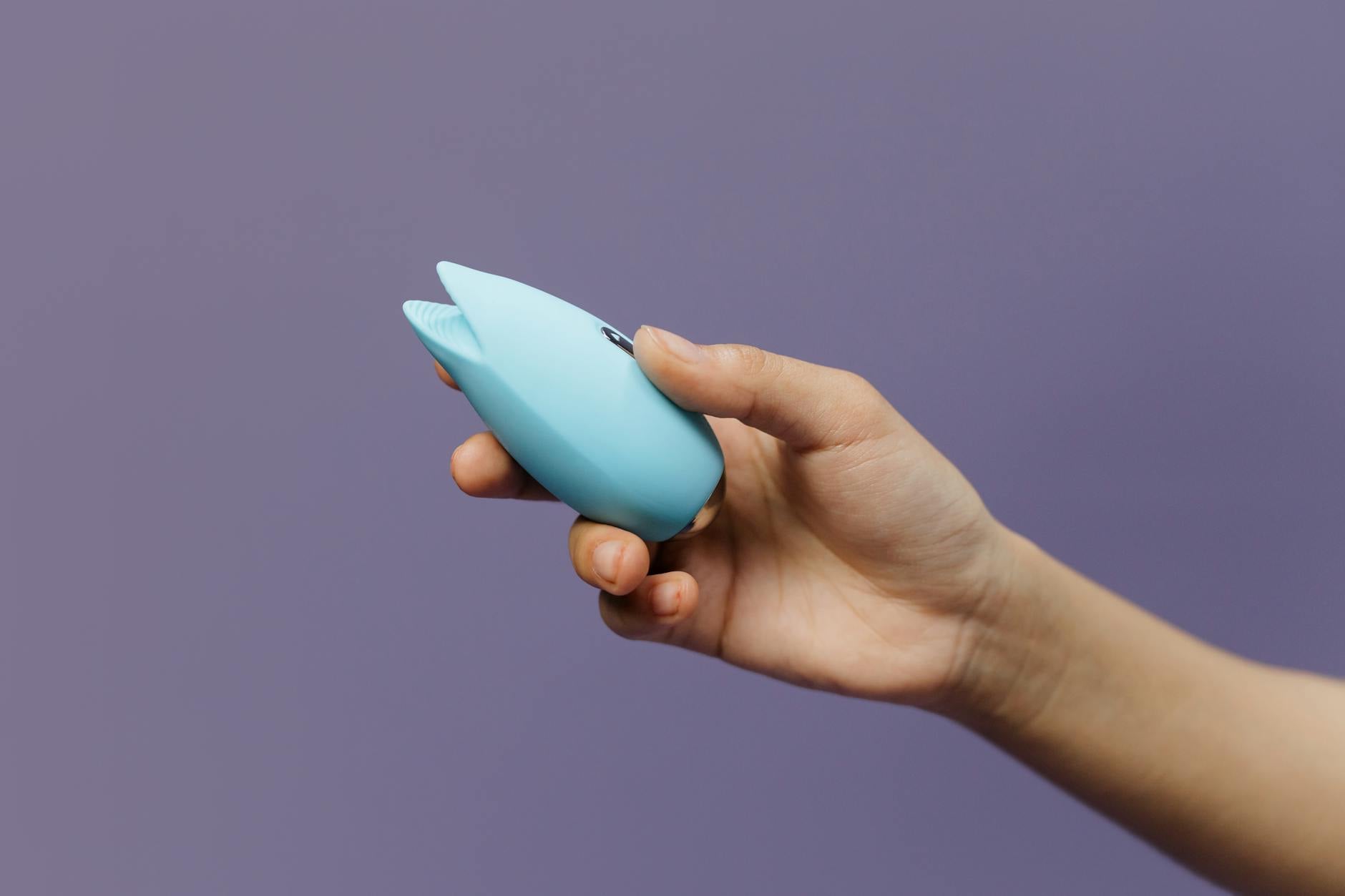
Why Lemon Vibrators Feel Different After Major Life Transitions
Something shifts when your life does. Not metaphorically. Physically.
You've had the same lemon clitoral vibrator for years. You know exactly how it feels. Then a major transition happens—a job change, a move, a loss, a health diagnosis, becoming a parent—and suddenly the same device feels almost like a different one entirely. The sensation isn't as sharp. Or it's too much. Or nothing's happening at all.
This isn't you breaking. It's not the vibrator failing. It's your nervous system recalibrating.
The nervous system is doing the heavy lifting
Here's what most people don't realize: pleasure is not a localized event. It's a full-body, brain-inclusive experience that depends entirely on whether your nervous system thinks it's safe to feel anything at all.
When you're in a major life transition—even positive ones like a promotion or a move—your nervous system is in a state of active adjustment. You're processing new information, new routines, new uncertainty. Your brain is literally rewiring itself to accommodate the change. That takes metabolic energy. It takes attention. And it takes resources away from the areas your brain normally reserves for pleasure processing.
This is why you might notice that your lemon vibrator, your trusty lem, feels different. It's not that your body has changed (though it may have). It's that your nervous system's bandwidth is occupied elsewhere.
Common transitions and what they actually do
Career changes and new jobs. The first three to six months of a new role demand constant vigilance. Your threat-detection system is on high alert. This activates your sympathetic nervous system (fight-flight-freeze) and deactivates your parasympathetic nervous system (rest-digest-pleasure). Lemon vibrators require parasympathetic activation to feel truly pleasurable. You're literally biologically unavailable for that right now.
Moving homes. Your brain uses spatial memory to feel grounded. A new home removes that anchor. You're processing a new environment, new sounds, new layouts. Pleasure requires a sense of safety and groundedness. Until your brain categorizes this new space as "home" and "safe," clitoral vibrators may feel like a distraction rather than a source of pleasure.
Relationship shifts. Whether it's becoming a parent, moving in together, or navigating a major conflict, your relational nervous system gets dysregulated. If your relationship is the container for your sexuality, and that container is currently unstable, pleasure becomes complicated. Lemon clitoral vibrators can actually feel isolating in these moments because they bypass the nervous system recalibration that partnered sex provides.
Health changes or diagnoses. Your body has just become unfamiliar to you. A new diagnosis creates a split between your idea of your body and your embodied experience. Pleasure requires a unified sense of self. That unity takes time to rebuild. Some people find air-pulse lemon vibrators helpful because the sensation is so different from everyday touch that it can actually interrupt the negative feedback loop and create a new positive association.
Loss. Grief takes the body offline. Your nervous system is stuck in a contraction. Pleasure feels impossible, selfish, or irrelevant. This is normal. It's also temporary, though it doesn't feel that way in the moment.
Why the same device feels so different
Your nervous system learned to recognize the sensation of your lemon vibrator as "safe" and "pleasurable" through repeated positive exposure. That learned response lives in the same part of your brain that's currently overloaded with managing your life transition.
When your system is activated (stressed), the sensation that once felt good can suddenly feel:
- Too intense (because your body is already in arousal mode from stress)
- Too subtle (because you're numb, and your brain is filtering out non-urgent input)
- Irrelevant (because your nervous system literally doesn't recognize it as a priority right now)
- Triggering (if the transition involved trauma, loss, or medical intervention)
The lem vibrator didn't change. Your nervous system did.
What to actually do about it
Give yourself permission to pause. This is the hardest part for people who've built a sexual practice. You think something is broken. Nothing is broken. You're temporarily recalibrating. That's allowed.
Rebuild the nervous system scaffold slowly. This doesn't mean jumping straight back to clitoral vibrators. It means returning to pleasure in small, regulated doses. Start with touch that doesn't demand anything. Warm baths. A partner's hand on your arm. The Lem can wait.
When you do return to lemon vibrators, lower your expectations about outcome. You're not trying to orgasm. You're trying to send your nervous system the signal: "Pleasure is safe. Pleasure still exists. The world is not on fire right now." That's a much lower bar. You might use your lemon clitoral vibrator for two minutes and stop. That's a win.
Change the context. If solo play feels isolating, try using your lemon sucker or clitoral vibrator with a partner present. Not for partnered sex necessarily, but for presence. If your usual time feels wrong, shift it. Morning instead of night. Midweek instead of weekend.
Check in with your stress baseline. Major life transitions typically take 6 to 18 months for your nervous system to fully integrate. You might notice pleasure returning in waves. That's the integration happening. This is also when your lemon vibrator or air-pulse toy will start feeling like itself again.
The relationship question
If the transition involves your relationship, the situation gets more complex. Your sexual response is now intertwined with the stability or instability of your emotional connection.
Why lemon vibrators feel different in relationships during transitions is partly neurological (nervous system stuff) and partly relational. Your body is asking: Do I trust this person? Are we still connected? Is it safe to be vulnerable here?
If you're navigating relationship reconnection after life changes, solo pleasure with your lemon clitoral vibrator becomes either a bridge back to partnered intimacy or a way to remember what feels good while you're working on the relationship itself.
When pleasure returns
Most people find that as their nervous system integrates the new reality, pleasure returns naturally. The lemon clitoral vibrator suddenly feels like itself again. Orgasms come easier. Sensation is vivid.
But here's the thing: you may have also changed. Your preferences might be different. Intensity that once felt perfect might feel too much. Or you might crave something gentler.
This is actually valuable information. Use it. Your body's response during a transition is telling you what it needs to feel safe and well. Listen to that signal.
FAQ: Pleasure and life transitions
Why does stress make my lemon clitoral vibrator feel numb?
Stress activates your sympathetic nervous system, which narrows sensation and redirects blood flow away from your genitals. Your clitoral tissue is literally less engorged, less sensitive. The sensation diminishes not because the vibrator is weaker but because your nervous system is protecting you from distraction while it manages a threat (real or perceived).
Can I use a lemon vibrator to help me through a transition?
Yes, but reframe your intention. Instead of using it for performance (orgasm, arousal, intensity), use it as a nervous system reset tool. A minute or two of familiar, safe sensation can signal to your body that pleasure still exists. This is different from your usual pleasure practice, and that's fine.
Is it normal for my desire to completely disappear during a big life change?
Completely normal. Major transitions, especially loss or trauma, can shut down desire for weeks or months. Your nervous system is protecting you by making pleasure feel irrelevant. This is not permanent, though it sure feels that way. If desire hasn't returned after 12 months, or if you're concerned it's related to depression or a health issue, that's worth talking to a therapist or doctor about.
Should I use lemon vibrators solo or with my partner during a transition?
Both are valid, depending on what your nervous system needs. If partnered sex feels too complex right now, solo play with your lemon clitoral vibrator gives you autonomy and safety. If you're trying to maintain connection with a partner, using your vibrator together—even if it's not part of partnered sex—can feel bonding. Do what feels least complicated.
How do I know when I'm ready to go back to my normal pleasure routine?
Your body will tell you. You'll notice the lem vibrator feels like itself again. Sensation will sharpen. Desire will return without you forcing it. You might get bored with your old routine, which is actually a green light to explore something new. The transition changed you. Your pleasure practice can too.
Can a life transition permanently change what feels good?
Absolutely. You might realize you prefer gentler sensation, or that you need more emotional connection before pleasure feels accessible. These aren't losses. They're your nervous system and your authentic self speaking. Honor them. Your lemon clitoral vibrator or other toys will still bring pleasure, but maybe in a different way.
The bottom line
Your lemon vibrator isn't broken. Your body isn't broken. Your nervous system is exactly where it needs to be—responding appropriately to major change. Pleasure will return. And when it does, you might find you've learned something valuable about what you actually need.
Until then, be gentle with yourself. Your body is working hard. Give it time.
Ready to explore pleasure practices that align with where you are right now? Get in touch and we can talk through what feels right for your situation.