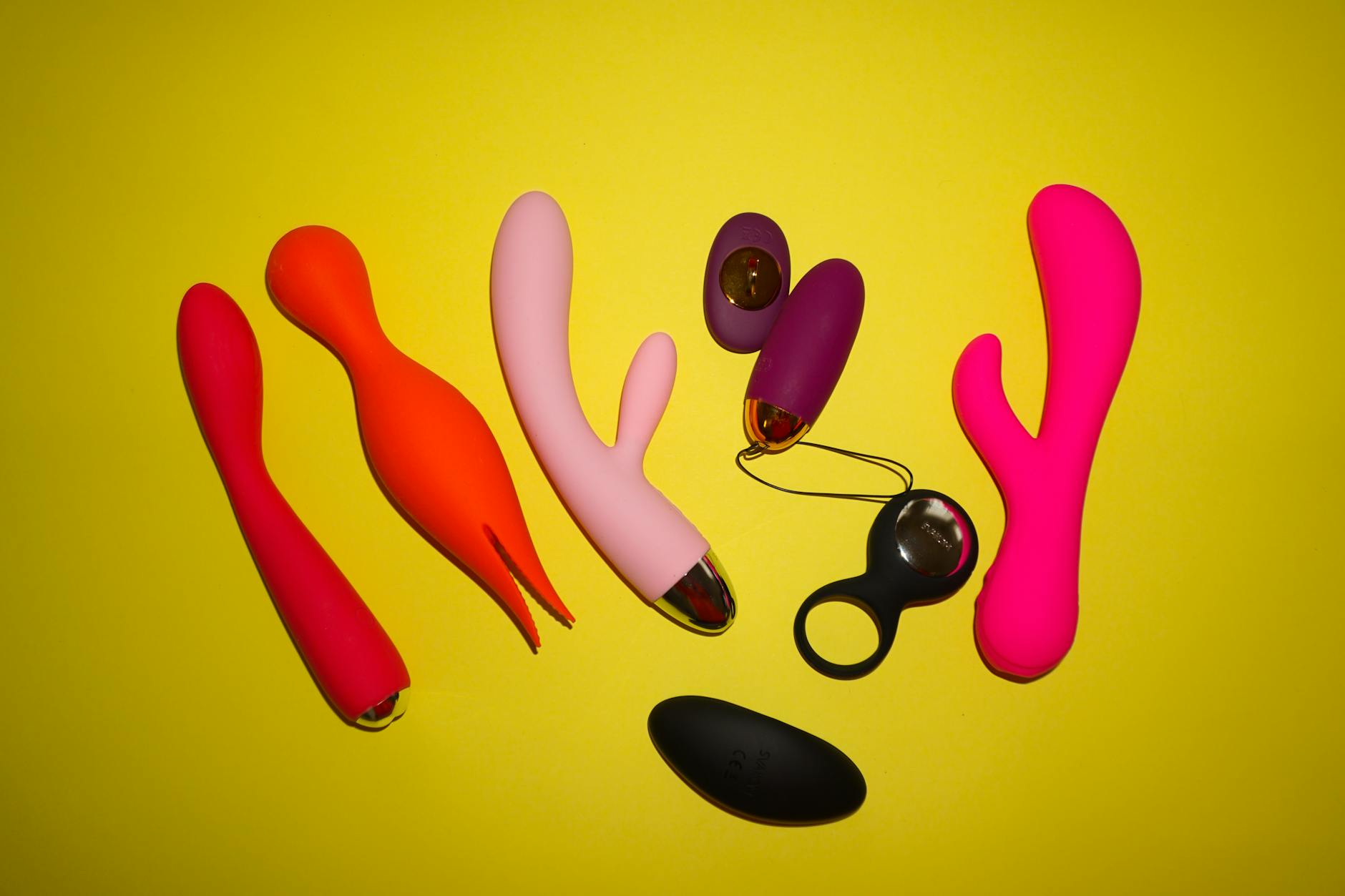
When medication changes flatten everything
You switched antidepressants. Or you started a new blood pressure med. Or your hormone dose shifted. And suddenly, sensation that used to be reliable feels muted, distant, almost like you're touching yourself through a layer of glass. It's not in your head. Medication changes genuinely flatten sexual response, and it's one of the most frustrating side effects nobody warns you about.
Here's what's actually happening, and more importantly, what you can do about it.
Why medication changes numb sensation
Antidepressants (especially SSRIs) work by managing serotonin in your brain. That same serotonin system also regulates arousal and orgasm. Some people don't notice a shift at all. Others find that sensation dulls significantly, orgasms take longer to build, or they stop happening altogether. Blood pressure medications can reduce blood flow to genital tissue. Hormone changes alter how your nervous system registers touch.
The weird part: your nerves are fine. Your capacity for pleasure is still there. Your brain has just gotten a new instruction set about how to process sensation. It's temporary, and it's fixable.
When medication side effects hit intimacy, couples often panic. One partner interprets the withdrawal as rejection. The other feels broken. Neither is true. What's actually happening is your body needs a recalibration tool, and that's where lemon clitoral vibrators become genuinely useful.
The neuroscience of why suction works differently
Lemon vibrators use air-suction technology instead of traditional vibration. Here's why that matters when numbness kicks in.
Traditional vibrators stimulate through rhythmic pressure. Your sensory nerves register that vibration, but if medication has dampened the signal, the sensation can feel underwhelming. You might increase intensity out of frustration, which can backfire by overwhelming already-sensitive tissue.
Lemon suction devices create a different kind of stimulation. Instead of vibrating the tissue, they gently draw the clitoris into a suction cup and release in waves. This triggers a different set of nerve endings. For many people experiencing medication-related numbness, this novel stimulus pattern actually restores sensation more effectively than their previous device.
It's not that suction is inherently superior. It's that when your nervous system has adapted to one type of input (or has dampened all input), introducing a completely different sensation can reawaken responsiveness. Your brain goes, "Oh. I haven't felt this before. Let me pay attention."
Starting slow when sensation feels muted
The temptation with numbness is to go harder, faster, more intense. Resist this. It doesn't work, and it often makes things worse.
Instead, start at the lowest setting on your lemon vibrator. For the Lem, that's pattern one. Spend 10 to 15 minutes just noticing what you feel. Don't chase the orgasm. That's the trick. When sensation is dulled, chasing makes it worse because now you're also anxious, and anxiety further suppresses arousal.
Notice the pressure. Notice the rhythm. Notice any tiny shift in sensation. If your mind wanders, bring it back. This is a sensory reconnection practice, not a performance event.
After a few sessions at pattern one, try pattern two. Move between patterns slowly. Let your nervous system reset to receiving input again. Most people find that within two to three weeks of patient, low-pressure use, sensation starts returning.
The partner conversation you need to have
If you're in a relationship, your partner likely noticed the shift too. They might be wondering if something changed between you. They might be taking it personally.
Here's the conversation: "My medication changed how my body responds right now. It's not about you. It's not about us. I'm working on reconnecting with sensation using some solo time and a new tool. This is temporary, and I'll let you know when I'm ready to include you again."
That clarity matters. It moves the conversation out of blame and into logistics. Your partner can support you instead of interpreting silence as distance.
If your partner is already in the picture during solo pleasure, pause that for now. Medication-induced numbness is easier to address alone. Once sensation returns, bring them back in.
Timing, lubrication, and the physical setup
Medication can also affect natural lubrication, separate from the numbness issue. Use a water-based lubricant generously. This isn't a sign of damage. It's practical support for your body while medication adjusts.
Timing matters too. Some medications have a clearer window of effectiveness for your body. If you take an SSRI in the morning, your nervous system might be more responsive in the afternoon or evening. Experiment and notice. The goal is to use your lemon clitoral vibrator when your body is most likely to respond.
Find a quiet space where you won't be interrupted. Set aside 20 to 30 minutes, not five. This isn't a quickie situation right now. Your nervous system needs time and safety to recalibrate.

Photo by Ihsan Adityawarman on Pexels
When numbness is paired with relationship disconnection
Medication changes often hit at moments when relationships are already strained. New job, new baby, new stress. Your partner needs attention. Your body needs healing. Everything feels urgent.
This is exactly when individual pleasure practices matter most. When you reconnect with your own sensation, you show your nervous system that pleasure is still possible. That confidence carries into partnered intimacy. You're not waiting for your partner to fix you. You're actively rebuilding.
That shift changes the entire dynamic. Suddenly your partner isn't responsible for your pleasure returning. You're both working toward the same goal instead of one person waiting passively.
When to talk to your doctor
If numbness has persisted for more than six to eight weeks after a medication change, loop in your prescriber. Sometimes a dose adjustment, timing shift, or medication swap makes a meaningful difference. Sexual function matters. A good doctor will listen.
If sensation returns but pain appears, see a healthcare provider right away. That's different from numbness and usually needs medical attention.
The timeline is real but not linear
Most people experience gradual sensation return over two to four weeks of consistent, low-pressure use with a lemon vibrator. Some take longer. Some find that using Hello Nancy's Lemon alongside mindfulness practices (especially pelvic floor awareness) speeds recovery.
You might have great sessions followed by flat sessions. That's normal. Your nervous system is learning. Keep going.
The goal isn't to return to exactly what you had before. It's to establish a new baseline where pleasure is accessible again. That often turns out to be deeper and more nuanced than before.
FAQ
Can medication-related numbness become permanent?
Rarely. Most medication-induced sexual side effects are reversible once your body adjusts or the medication changes. The key is patience and not giving up during the adjustment window. Consistent, gentle practice with tools like lemon clitoral vibrators helps your nervous system stay engaged while medication settles.
Should I stop my medication to get sensation back?
Absolutely not. Never stop medication without doctor approval. The mental health or physical health benefit of your medication almost certainly outweighs the temporary sexual side effect. Talk to your prescriber about timing, dosing, or alternative options, but don't go rogue. Your wellbeing depends on the medication.
How is using a lemon vibrator different from just waiting for numbness to fade?
Waiting alone can take months. Active sensory stimulation with a lemon vibrator teaches your nervous system to pay attention to pleasure again. It's the difference between passive recovery and guided recovery. You're essentially retraining your body to receive sensation, not just hoping it comes back on its own.
Is sensation numbness the same thing as low desire?
No. Numbness is about sensation. Low desire is about motivation. They can happen together or separately. If your desire is also flatlined, that's often reversible too, but it might need a different approach like how to use lemon vibrators when libido returns after depression. For pure numbness, sensation work comes first.
Can I use a regular vibrator instead of a lemon suction vibrator?
You can try, but suction often works better for medication-related numbness because it introduces a novel stimulus. Your nervous system has likely adapted to traditional vibration. Switching to something different wakes it back up. That said, if you already own another device, start there before investing in a new one. Every body is different.
How long should I practice solo before including my partner again?
Wait until sensation returns consistently and you've had at least two or three really good sessions where you felt genuinely present. That usually takes three to four weeks. You'll know when you're ready. The moment you stop thinking about whether it's working and start actually feeling, you're probably ready to explore partnered touch again.
References
Medication-related sexual dysfunction is well-documented in clinical literature. This post reflects evidence-based approaches from sex therapy, relationship science, and clinical sexology practices, informed by the Gottman Method framework for couple communication and the physiological research on medication side effects documented by organizations like the American Sexual Health Association.
Your pleasure matters. Your medication matters too. Both can coexist, and they usually do once your nervous system finishes adjusting.