Let's talk about what's actually happening
Depression flattens desire. Not because you're broken, but because depression is a system-wide dampener. It suppresses dopamine, floods your brain with stress hormones, and makes pleasure feel like an abstract concept. For months or years, sex might have felt impossible, pointless, or triggering. And then one day, something shifts. A medication adjustment. A therapy breakthrough. Time and consistency. Suddenly you notice it again: that small spark of wanting.
Rebecca, a client who emerged from a two-year depressive episode, described it perfectly: "I felt like someone had turned the volume back on, but the speakers were still broken."
That's exactly where you might be right now.
Why pleasure takes time to rebuild
When depression has been sitting in your body and mind for months, your nervous system is still in recovery mode. You may have avoided touch entirely. Your pelvic floor might be tense from years of bracing. The neural pathways that lit up around pleasure may have gone quiet. Your brain might associate sex with the numbness of depression, or with the pressure you put on yourself to "perform" sexuality when you felt dead inside.
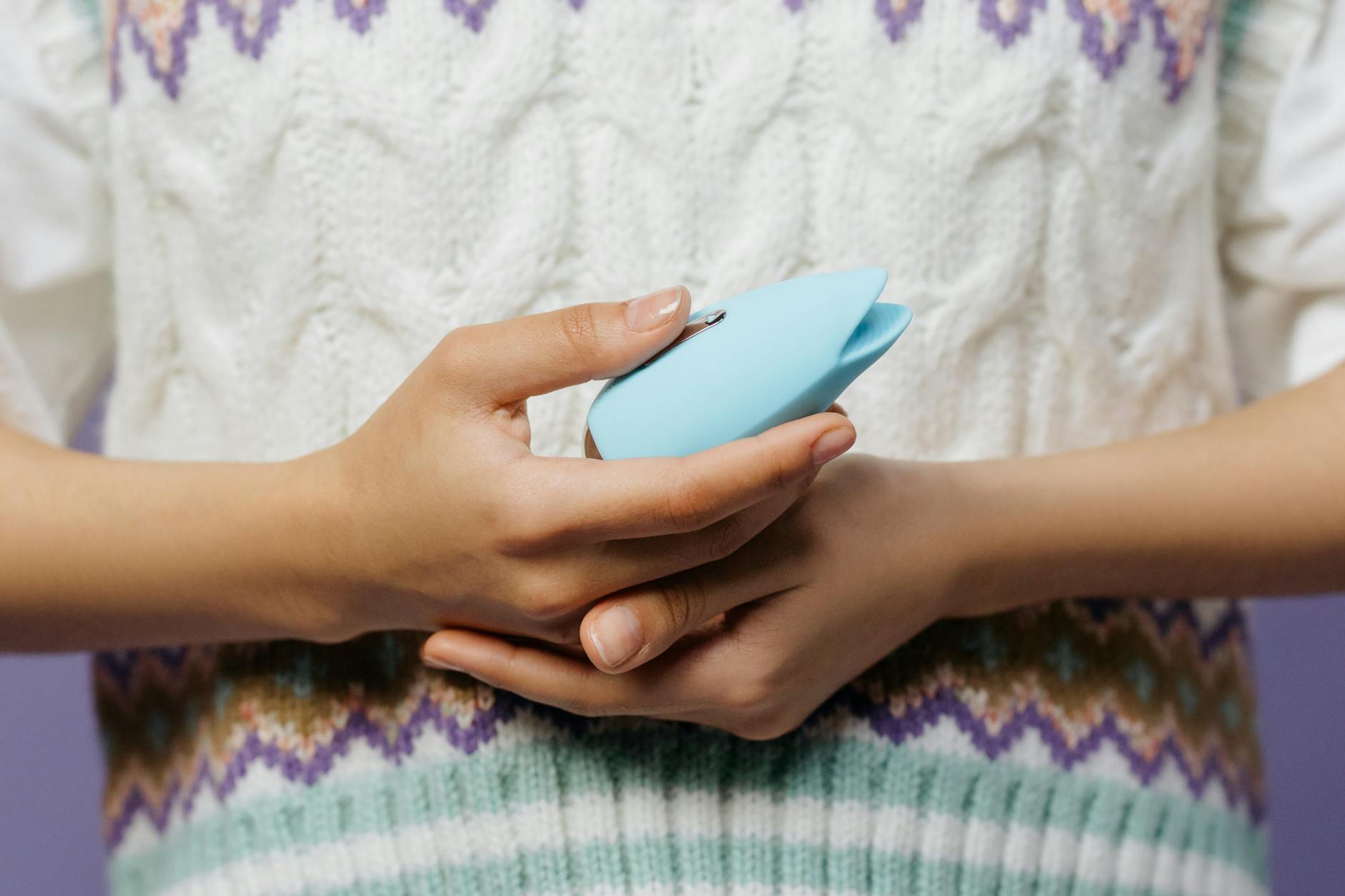
Adding a lemon vibrator into this mix isn't about jumping straight back to orgasm. It's about teaching your body that sensation is safe again. It's about rebuilding trust with yourself.
Starting with sensation, not orgasm
Here's what I recommend as a first step: use your lemon clitoral vibrator without any goal. Not for orgasm. Not for arousal. Just for sensation.
Set aside 10 minutes when you have privacy and you're not mentally rushed. Start with the lowest setting on your lemon vibrator. The Lem, for instance, has five intensity levels. Begin at level 1. Don't try to use it in the way you might have before depression. Just notice what you feel. Temperature. Vibration pattern. Pressure. Can you identify three sensations without judgment?
The goal is to reconnect your brain and body. Depression convinced you they weren't talking to each other. A few minutes of simple sensation work, repeated over weeks, rewires that connection.
Building a rhythm that honors recovery
Most people emerging from depression are also managing medication, side effects, therapy schedules, and the cognitive load of rebuilding their life. You don't have bandwidth for elaborate rituals. You need something simple and repeatable.
Here's what works: Pick three days a week. Spend 10 to 15 minutes on sensation work, starting at the lowest setting of your lemon sucker or lem vibrator. No performance pressure. No outcome target. Over two to three weeks, as sensation becomes less novel and your nervous system settles, you can stay with it longer or explore slightly higher intensities.
Only when it feels genuinely good (not obligatory) should you introduce the idea of arousal or orgasm. That might take a month. It might take longer. That's not failure. That's healing.
When medication changes your response
Antidepressants can dampen libido. Birth control might shift sensation. Anxiety meds might numb things slightly. If you've recently started or adjusted medication and you're noticing your response to the lemon vibrators feels different than you expected, talk to your prescriber. Some meds are easier to work with than others. Some can be timed differently. Sometimes swapping to a different medication helps without losing the benefit.
In the meantime, that lower intensity work matters more than ever. Your body is recalibrating. Be patient with it.
Managing the shame that sometimes comes with returning desire
Some people emerge from depression feeling relief and excitement about pleasure returning. Others feel confused guilt. "I spent months unable to want sex, and my partner waited. Now I want it again, but I feel like I owe them something." Or: "I used to masturbate regularly before depression. Now that I want to again, I feel like I'm being selfish."
That's not actually about the vibrator. It's about the belief system depression installed. You deserve to have solo pleasure. You don't owe sex to anyone. Your body, your desire, your timeline are all valid. A lemon vibrator is a tool for rebuilding your own pleasure, not payment for anything.
If you're partnered and feeling pressure to jump straight into partnered sex before you're ready, say that. "I'm rebuilding this on my own timeline. I'm using toys to reconnect with my body. I'll let you know when I'm ready to explore together." A partner worth having will listen.
Dealing with physical changes after depression
Years of depression often come with physical symptoms: weight changes, changes in muscle tone, less movement. You might not feel comfortable in your body right now. You might notice that the sensation in your genitals is different than before, or that your body needs more warm-up time.
A lemon clitoral vibrator doesn't judge any of that. It works with what you have right now. You don't need to feel "attractive" or "ready" to use it. You just need to want to reconnect with sensation. That's enough.
If you notice pain or numbness that doesn't improve after a few weeks of gentle sensation work, check in with a healthcare provider. Sometimes depression changes pelvic floor tension or nerve sensitivity, and a professional can help you address that.
When libido returns but sex still feels hard
There's a difference between "I want to masturbate" and "I'm ready for partnered sex" and "I feel genuinely excited about sex." You might experience the first before the other two arrive. You might bounce back and forth. That's completely normal.
If you're ready to use a lemon vibrator solo but the idea of partnered sex still feels overwhelming, that's important information. It might mean you need more time. It might mean there's something in the relationship that needs addressing, or something in your trauma history that's surfacing. That's where a therapist comes in, not shame.
Your pleasure timeline is not negotiable. You get to take exactly as long as you need.
The role of emotional intimacy
If you have a partner, some of your libido loss might have been connected to emotional distance or broken trust. Desire doesn't just live in your genitals. It lives in how safe you feel, how seen you are, whether you trust the person in your bed.
Using a lemon vibrator won't fix relationship problems. But it can give you the space to rebuild your own pleasure independent of whether your partnership feels solid right now. That's actually powerful. It separates two conversations that often get tangled: "I'm recovering my sexuality" and "We need to repair our connection."
Both are worth doing. Neither depends on the other.
FAQ: Rebuilding desire after depression
How long does it usually take for libido to come back after depression?
There's no standard timeline. Some people notice desire returning within weeks of feeling emotionally better. Others take months or even a year. It depends on how long depression lasted, whether you're on medication, your relationship status, and your own neurobiology. Recovery isn't linear. You might feel desire strongly for two weeks and then it dips again. That doesn't mean you're depressed again. That's your nervous system still recalibrating.
Can a lemon vibrator make libido come back faster?
No. But it can help you notice when libido is starting to return, because you're paying attention to sensation in a low-pressure way. It also gives you a tool to explore pleasure without needing a partner or worrying about performance. For some people, that psychological safety matters more than the vibration itself.
What if I use the lemon vibrator and don't feel anything?
That's extremely common in the first few weeks or months. Depression literally reduced your capacity to feel sensation. Rewiring that takes time. Start with the lowest setting. Don't aim for arousal or orgasm. Just notice what you feel for 10 minutes, then stop. Do this three times a week for two to three weeks. Often, sensation begins to feel less numb after consistent, low-pressure exposure. If nothing shifts after a month, check in with your doctor. Sometimes numbing is medication-related and worth addressing.
Is it normal to feel guilty about masturbating again?
Very normal. Depression often comes with shame, and sometimes that shame attaches to sexuality. You might feel like you don't deserve pleasure, or like solo pleasure is selfish, or like you "should" be doing other things. Those aren't facts. They're depression's voice. Gentle, regular sensation work helps you slowly build the belief that your pleasure matters and that you deserve to explore it. That belief doesn't arrive overnight. You build it with repetition.
What if my partner wants sex and I'm not ready?
Say no. Say it clearly and kindly: "I'm rebuilding this on my own timeline. I'm not ready for partnered sex yet, but I'm working on reconnecting with my body. I'll let you know when I'm ready to explore together." If your partner pressures you or withdraws emotionally in response, that's information about your relationship that might be worth exploring in couples therapy. You don't owe anyone sex while you're recovering from depression.
Can antidepressants permanently kill libido?
Most antidepressants do reduce libido as a side effect, but it's usually not permanent. If you've been on the same medication for months and libido hasn't returned, talk to your prescriber. Some medications are harder on desire than others. Some can be timed differently (taking them after sex instead of before, for instance). Sometimes switching to a different SSRI or adding a medication that counteracts the sexual side effect helps. There are options. It's worth exploring them.
You're not broken, and this isn't a deadline
Your body spent time in shutdown mode. It's waking up. That rewaking doesn't have a deadline. You don't have to match the speed of your partner's desire or the fantasy of "normal" sexuality. You get to rebuild this exactly as slowly as feels sustainable.
A lemon vibrator is a tool for that rebuilding, not a promise or a performance metric. Use it when it feels good. Skip it when it doesn't. Notice what your body is telling you. That attention, that gentleness, that patience with yourself is the real work.
If you want to talk through your situation with someone trained in both sexuality and mental health, consider reaching out. We're here to support the whole picture of your recovery.
Learn more
If you're working through recovery and want to explore solo pleasure more deeply, read about how to use lemon vibrators when you're nervous about solo pleasure. For guidance on rebuilding intimacy in partnership, how to use lemon vibrators when sex feels mechanical after years together might help you find language and permission to reconnect.