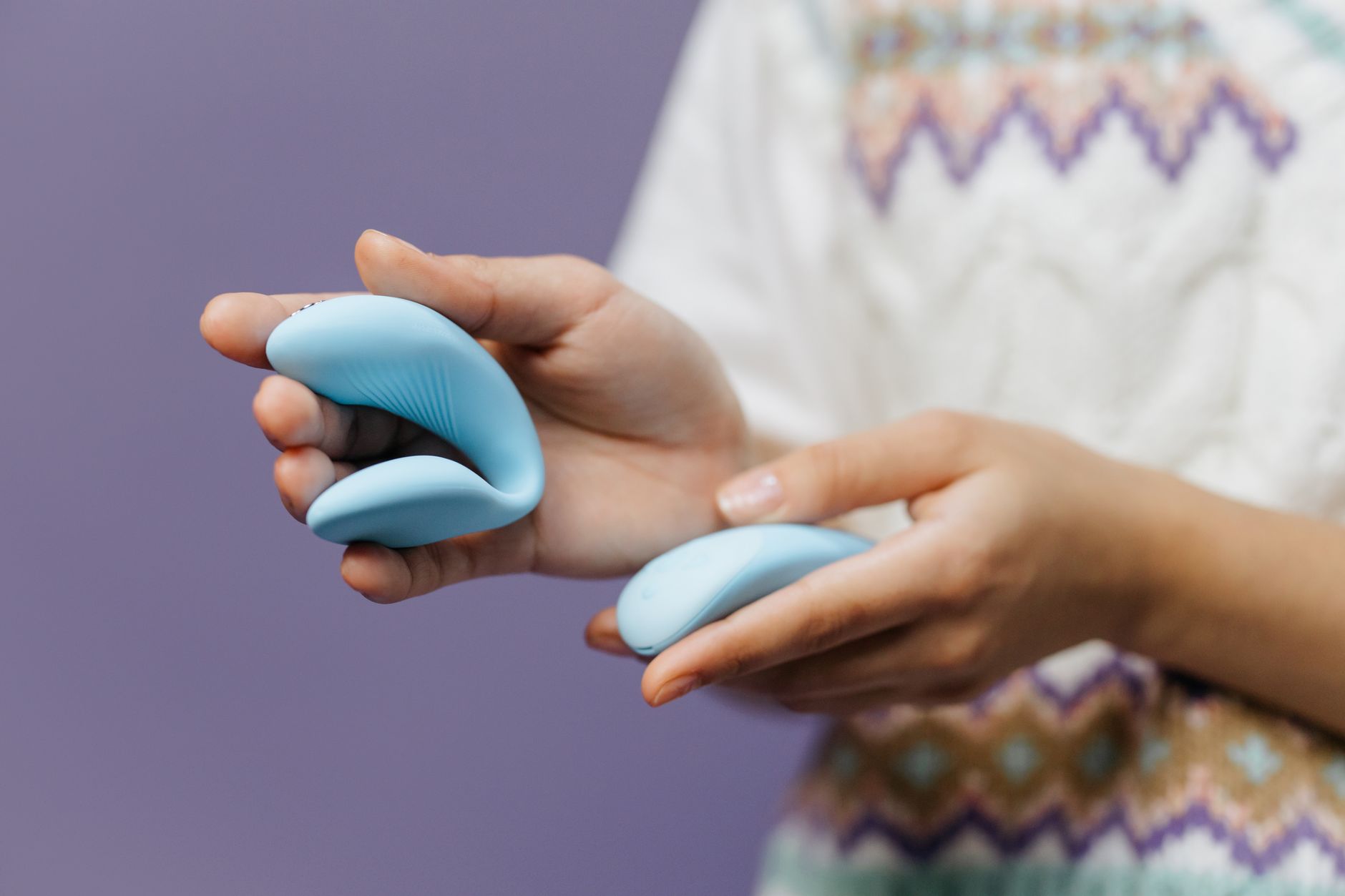
Let's be real. After five years, ten years, or twenty years together, sex can start to feel like maintenance. You know exactly what happens, in what order, at what speed. Your partner's body is familiar. Your own response is predictable. Neither of you is really present anymore. You're going through a sequence you've both memorized, which sounds efficient until you realize that efficiency is killing desire.
This is not a relationship failure. It's actually the most common complaint I hear from couples in their late thirties and beyond. And here's what most people get wrong about it: they think the solution is novelty. A new position, a new setting, a weekend away. But novelty without presence is just distraction. What actually rebuilds sex after years of routine is breaking the automation. And that's where tools like the Lem come in.
Your nervous system is built to habituate. After the hundredth time something happens the same way, your brain stops paying attention to it. This is brilliant for boring stuff like background noise. It's terrible for sex. When you've had the same foreplay in the same order for years, your body learns to predict what's coming and stops generating the micro-surprises that create arousal.
Mechanical sex is neurological, not emotional. You and your partner might love each other. You might want each other. But if both of your brains have automated the experience, desire flatlines because desire needs novelty to stay alive. Your nervous system literally cannot feel the same touch the same way twice.
This is why adding a clitoral suction tool like Hello Nancy's Lemon doesn't just add sensation. It breaks the pattern. It introduces a texture, a rhythm, and a type of stimulation your body hasn't encountered ten thousand times before. Your nervous system wakes up. Presence returns. And that's when real connection can happen again.
Here's where couples usually stumble: they introduce a lemon vibrator the same way they introduce everything else. Same timing, same sequence, same emotional distance. The toy just becomes another step in the automation. And then they're disappointed because having the Lem didn't magically fix things.
Using a clitoral vibrator well means actually breaking the routine. Not just replacing foreplay with foreplay-plus-toy. Completely restructuring when, how, and with what attention you approach each other.
Start by naming what's mechanical. This is not criticism. It's observation. "I've noticed we've been moving pretty fast through this part." Or "I'm not sure either of us is really here when we start." Honesty is what breaks automation, not toys. But the tool helps because it forces you both to slow down and pay attention to what's actually happening.
Then introduce the Lem not as a replacement for partnered touch, but as an interruption to the familiar rhythm. Maybe your partner uses it on you while you're both quiet, without the rest of the familiar sequence happening first. Or you use it solo while they watch, which sounds simple but requires actual presence from them. The point is disruption. You're teaching your nervous system that this isn't the same script anymore.
Mechanical sex usually happens because one or both partners has mentally checked out. Often it's unconscious. You're thinking about work, or your kids, or whether you turned off the stove. Or your partner is. Or you both are. The script runs automatically while your minds run somewhere else entirely.
This is actually fixable. And it doesn't require a therapist, though it requires the same tools I use in sessions: slowing down, checking in, and rebuilding attention.
When you introduce a lemon clitoral vibrator, make the first rule non-negotiable: no phones, no multitasking, no planning tomorrow's schedule. The Lem is not magic. It's a permission slip to actually be present. Use it that way.
Second, change the timing. If you usually have sex at the same time (bedtime, weekend mornings, whatever), move it. Different time of day changes everything neurologically. Your bodies are in different states. The light is different. Your nervous systems are different. Pair that with the novelty of the tool and you've genuinely disrupted the automation.
Third, slow way down. This is hard for long-term couples because you've both internalized a fast version of sex. You know how to get there quickly. But mechanical sex is usually fast sex. Quick foreplay, quick entry, quick finish. Presence is the opposite. Presence takes time.
When you're using a lemon sucker with a partner, budget 20-30 minutes just for that. No rushing to the next thing. No implicit timeline. Clitoral suction works differently than direct vibration. It feels different, intensifies differently, and builds differently. That unfamiliarity is what wakes your nervous system up. Let it.
The conversation that matters is not "Do you want to try something new?" (which can sound like criticism masked as enthusiasm). It's "I miss feeling really connected to you. I think we've gotten into a rhythm that makes it hard for both of us to be fully here. I want to rebuild that."
That's the truth. And then you can say: "I read that clitoral vibrators designed differently than what most people think about actually help reset sensation when things have felt routine. I'm curious if you'd be interested in trying something together."
Notice: you're not saying the sex is bad or that one of you is broken. You're saying the routine itself is the problem, and you both feel it, and you want to fix it together. That's a completely different conversation.
If your partner resists (and some do, usually because they think toys mean they're not enough), respond honestly. "I'm not asking because you're not enough. I'm asking because we both deserve to feel like we're actually here when we're together. This is about us, not about you being replaced." Sometimes that lands. Sometimes it takes a few weeks. Sometimes you need to model it first by exploring solo and then talking about what changed for you.
Let's talk mechanics. The Lem is a clitoral suction vibrator, which means it works through gentle suction and vibration instead of direct vibration. This matters because it feels fundamentally different than the touch that's become automatic.
Start slow. If you're using it together, begin with the lowest intensity. Suction-based stimulation builds differently than buzzing does. It often feels less intense at first and then surprises you with how deep the sensation goes. Your partner should focus on watching your face, your breathing, how you're responding. This is presence. This is attention. This is what breaks the automation.
If you're exploring it solo first, the goal is the same: actually paying attention to what you feel instead of running through a familiar sequence. Most people in long-term relationships have lost the ability to be curious about their own sensation. A tool like the Lem forces you to be. You can't zone out through the experience. The sensation is too novel.
Many couples find that rebuilding solo pleasure first actually helps partnered sex more than jumping straight into using toys together. If you've been mechanical for years, your own relationship to sensation might be pretty numb too. Rediscovering that alone, with something that feels genuinely new, helps you bring that presence back to partnered moments.
Here's something that surprises people: introducing a clitoral vibrator sometimes temporarily makes a couple feel more distant. You're used to touching each other in certain ways. Now there's a tool between you. Emotionally that can feel like a loss, even if physically it feels like a gain.
This is normal and temporary. What's actually happening is that you're both becoming aware of how mechanical things had become. The tool isn't creating distance. It's making visible the distance that was already there. That's uncomfortable. But it's also the thing that lets you rebuild.
Most couples who push through that discomfort find that after a few weeks of using lemon vibrators intentionally (with presence, with communication, with actual attention), the rest of their intimacy changes too. Not because the tool is magic. But because breaking one automation makes you aware of other automations. And then you start choosing presence in other ways too.
You can't know until you talk about it honestly. Frame it not as "you're not enough" but as "I want us both to be more present." Most partners respond well to honesty about feeling disconnected. Some are initially defensive. Give that response space. Often the partner who resists first ends up being relieved that someone named the problem.
Absolutely. In fact, rebuilding your own relationship to sensation solo is often what helps partnered sex. You remember what presence feels like. You rediscover what feels good. And then you can bring that aliveness back to your partner. It's not cheating on your relationship. It's rebuilding your ability to feel, which ultimately helps both of you.
Usually three to four intentional experiences. The first time is novelty. The second time your nervous system is adjusting. The third time you start to feel actual presence. After that, the benefit compounds. But it requires consistency and attention. One-time toy use won't fix years of automation.
Then the issue is probably deeper than just routine. You might genuinely have other relationship problems (emotional distance, resentment, disconnection that started before the sex got mechanical). A tool can help presence, but it can't fix broken communication or betrayal or contempt. If mechanical sex is a symptom of something larger, that's worth naming with a therapist or counselor.
Technically yes. Practically, no. Using the tool without addressing the automation usually means you'll fall right back into automation once the novelty wears off. The conversation is what actually fixes it. The Lem just makes the conversation easier because you're both paying attention at the same time.
It can be a turning point if you use it as a way to rebuild presence. But it's not permanent magic. You have to maintain the attention and communication you started with. Long-term couples who have good sex years after routine set in usually do it by regularly mixing things up, checking in with each other, and refusing to fall back into complete automation. The Lem is one tool for that. The real work is the presence.
Mechanical sex happens because your nervous system gets bored, not because you don't love each other. Clitoral vibrators designed differently, like the lemon sucker tools from Hello Nancy's Lemon, force novelty. And novelty breaks automation. But the tool only works if you're willing to also break the communication patterns that made the sex mechanical in the first place. If you introduce the Lem and then fall back into speed and distraction, nothing changes. If you introduce it as a reason to slow down and actually be present together, everything changes. That's not the Lem doing the work. That's you doing the work. The tool just makes it easier to see what's worth fixing.