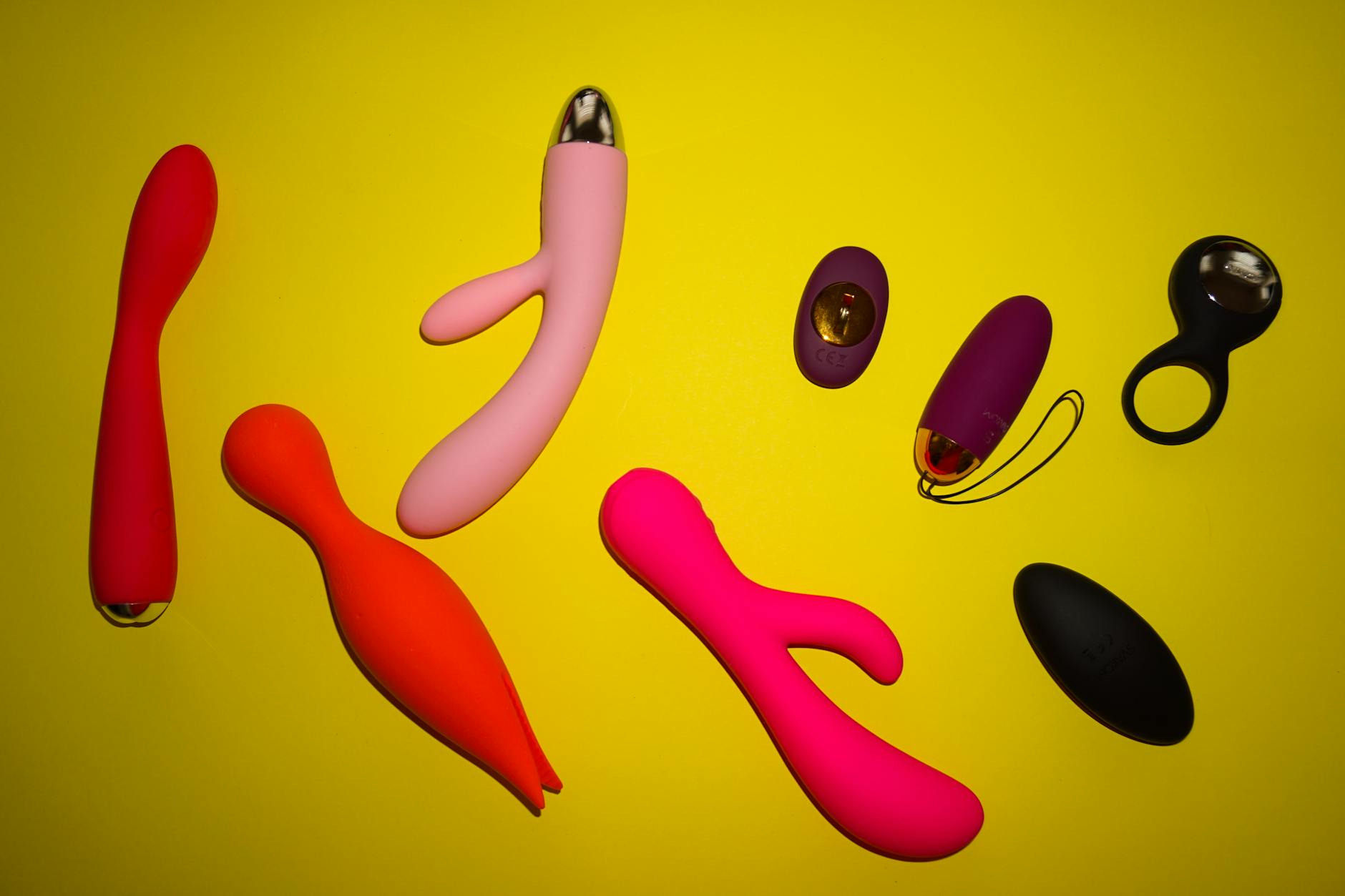
Here's what nobody tells you about arousal after 40
Arousal doesn't evaporate after 40. It changes pace. What used to fire up in five minutes now takes fifteen or twenty. Some people panic. Others assume something's broken. The truth is neither. Your body is just operating on a different timeline, and that timeline actually has some real advantages.
I've worked with hundreds of people navigating this exact shift. The pattern is consistent: the frustration isn't about lack of capacity. It's about mismatch. Expectations built over decades suddenly don't match reality. That gap is where everything gets weird.
What's actually happening in your body
After 40, several things happen simultaneously. Estrogen and testosterone both decline gradually. Your nervous system becomes less reactive to novelty. Blood flow takes longer to redirect to the clitoris. The vaginal tissues thin slightly, which affects how quickly they swell during arousal. None of this means you've lost your capacity for pleasure. It means your body needs different input to reach the same outcome.
Here's the part that matters: your nerve endings haven't changed. The clitoris still has 8,000 nerve endings. The brain still lights up during orgasm. The pathway is the same. The ramp-up time is just longer.
One more thing people miss: slower arousal often means deeper arousal. The gradual buildup allows for more vascular engorgement. That's why many people over 40 report more intense orgasms than they had in their twenties. It's not nostalgia. It's physiology.
Why slower buildup actually works perfectly with lemon vibrators
This is where the design of a clitoral vibrator like the Lem becomes genuinely clever. Traditional vibrators rely on rapid frequency to jump-start arousal. They work beautifully for some people, but if your arousal is naturally slower, you're fighting your own body's timeline. You're trying to accelerate when your nervous system wants to build.
Lemon clitoral vibrators use air-suction technology instead. Rather than vibration, suction creates a sustained sensation that works with gradual arousal, not against it. The stimulation is gentler, more of a pulse than a shock. This turns slow buildup into an asset rather than a liability. You're not trying to speed up. You're deepening what's already starting to happen.
Clitoral suction also tends to produce fuller, rounder sensations. Because the stimulation is broader and less directional than traditional vibration, it engages more nerve clusters at once. That means arousal builds in waves rather than spikes. Wave-based arousal is perfect for bodies that appreciate time.
The three-phase approach for longer buildup
If arousal is taking longer, structure helps. I recommend thinking about pleasure in three distinct phases rather than one continuous climb.
Phase one: settling in (5-10 minutes). This isn't foreplay. This is you getting into your own body. Maybe it's breathing, maybe it's a shower, maybe it's just lying still without any pressure to feel anything. The point is permission. Your nervous system needs to know nothing is expected right now. Use this phase to touch your body in ways that feel neutral. If you're using a lemon sucker like the Lem, start on the lowest setting with clothes still on or with the toy positioned near rather than directly on the clitoris. You're building context, not sensation yet.
Phase two: deepening (10-15 minutes). This is where suction technology earns its keep. Start moving through the intensity levels slowly. Don't jump from level one to level four. Spend three minutes at each setting. Notice what's actually happening in your body rather than waiting for a threshold to cross. You might feel tingling, warmth, weight in the pelvic floor, or nothing particularly dramatic. All of that is fine. The goal here isn't to come. It's to build sustained attention. Your nervous system is training itself to stay present.
Phase three: intention (however long it takes). Once you're genuinely engaged with sensation, you can start playing with patterns. The Lem has multiple suction intensities. Rather than cranking it up, try holding each one and noticing the specific sensation it creates. Some people find certain patterns click faster than others. That's information worth gathering.
What changes when your partner is involved
Many people assume slower arousal means less sex with partners. The opposite is often true if you communicate clearly. Slower buildup means you have time to build tension together, to talk, to laugh, to change your mind. That richness is something people in their twenties rarely access.
Here's what I tell couples: if you've been having sex the same way for years, slower arousal is permission to change the script. Instead of trying to speed your body up to meet old timings, slow everything down. Start with touch that has no sexual intention. Spend real time on foreplay. Use a clitoral vibrator together as part of that exploration rather than as a solution to a problem.
The Lem works beautifully in partnered scenarios because suction allows for different positioning. Unlike some vibrators, clitoral suckers don't create the same pressure sensitivity issues. Partners can explore different angles, intensities, and timing. Slower doesn't mean passive. It means intentional.
The solo pleasure advantage
Honestly, this is where slower arousal truly shines. Solo sessions give you complete control over pacing. No one's waiting. No one's getting restless. You can spend forty minutes gently building if that's what feels right. You can stop and start. You can spend five minutes noticing one specific sensation. You're not performing for anyone. You're just exploring what feels good.
This is also where understanding your own arousal pattern becomes invaluable for partnered sex later. When you know how your body actually builds, when you know which intensities create which sensations, you can communicate that to a partner with real specificity. You stop saying "I don't know, I'm just not getting there." You start saying "I need fifteen minutes and I want to start at level two."
For many people, a lemon clitoral vibrator becomes the tool that makes this exploration actually work. It's gentle enough for extended sessions. The suction technology means you can use it for a long time without your clitoris becoming desensitized. You can build something substantial without rushing.
Common traps to avoid
The biggest mistake I see is assuming slower arousal means something's wrong. It doesn't. Pathologizing a natural change is what creates actual problems. The second mistake is forcing yourself into old patterns. If your body now needs twenty minutes to build, insisting on five-minute sessions just creates frustration.
The third trap is using the wrong tool. A traditional vibrator that relies on fast frequency can actually feel irritating if your body's arousal timeline is slower. It's like someone shouting when you're trying to listen to quiet music. A lemon sucker works differently because it's not trying to override your body's pace. It's working with it.
The fourth trap is assuming you need to fix this alone. If arousal has slowed significantly and it's causing real distress in your relationship, talking to a therapist or a sex educator makes sense. Sometimes slower arousal is just physiology. Sometimes it's a sign of stress, medication effects, or relationship dynamics. Getting clear on that matters.
When to check in with a professional
If arousal has slowed dramatically and suddenly, if there's pain, or if desire has basically disappeared, a check-in with your doctor is worth it. I'm not saying this to be cautious. I'm saying it because there are real medical fixes if something's actually off. Thyroid issues, medication side effects, and hormonal changes all affect arousal. Ruling those out is smart.
That said, slowing down naturally as you age isn't a medical problem. It's a normal shift that your nervous system is managing beautifully. Learning to work with that shift rather than fighting it is where the real pleasure lives.
The three-month reset
Here's something useful: if you've been struggling with slower arousal, give yourself three months to explore deliberately. Stop worrying about orgasm as the metric. Instead, track presence. Are you spending more time in your body? Are you noticing sensation you weren't before? Are you communicating differently with a partner?
Use a lemon clitoral vibrator as part of that exploration. Start low. Go slow. Notice everything. By the end of three months, you'll have mapped your own arousal pattern. You'll know which techniques work. You'll know what your body actually needs. That information is gold. It's not a hack or a cheat. It's just you, getting genuinely intimate with your own capacity for pleasure.
Arousal after 40 isn't dimmer. It's different. And different, when you stop fighting it, often turns out to be better.
People also ask
How much slower does arousal typically get after 40?
There's no single timeline. For some people it shifts by five or ten minutes. For others, the change is more gradual and subtle. Hormones play a role, but so does stress, relationship dynamics, medication, and overall health. The key is that if it's different for you, that's normal. It's not broken. It's just your individual physiology shifting, and that shift is workable.
Can a lemon clitoral vibrator actually help with slow arousal?
Yes, genuinely. Because clitoral suction works differently than traditional vibration, it pairs well with slower arousal patterns. The sustained suction sensation builds gradually rather than trying to force intensity. That alignment between how the tool works and how your body wants to build creates actual results. It's not magical. It's just better design matching actual physiology.
Is slower arousal a sign that I need hormone therapy?
Not automatically. Slower arousal can be totally normal aging. That said, if it's coupled with other symptoms like hot flashes, mood shifts, or severe vaginal dryness, a conversation with a doctor about your options makes sense. Hormone therapy helps some people. For others, the shift is just part of aging and works fine with the right approach. Your doctor can help you figure out which category you're in.
How can I talk to my partner about needing more time?
Directly, without apology. Try: "I've noticed my body needs more buildup time now, and that actually feels good. Let's slow down and make that part of how we play." If you're using a lemon vibrator, show them. Let them see how it works. Involve them in the exploration. Frame it as something you're discovering together, not a problem you're solving.
Should I be worried if arousal has gotten significantly slower after 40?
If it's a gradual shift, no. If it's sudden and dramatic and it's bothering you, worth checking with a doctor. That said, the difference between normal aging and something that needs intervention is usually significant. Gradual slowing that responds to extended foreplay and the right tools isn't a problem. It's just your updated normal.
What's the difference between "slow arousal" and "low desire"?
Slow arousal means your body takes longer to build but it does build. You can reach arousal and orgasm. It just takes time. Low desire means you're not interested in sex at all. Those are different issues with different solutions. If you're noticing slow arousal but your desire is still there, you're in the normal range. A tool like a lemon clitoral vibrator works beautifully for slow arousal. Low desire is worth discussing with a professional.
If you're navigating arousal changes and want support thinking through how to approach pleasure in this new chapter, reach out. I'm here to help you map what actually works for your body now.
Related reading: many people find that understanding how lemon vibrators work with your body's natural responses clarifies a lot. Others find that exploring solo pleasure first makes partnered conversations easier.