Let's be real. Endometriosis changes everything about sex. Not because you want it to, but because chronic pelvic pain literally rewires how your nervous system responds to touch. The good news: understanding that rewiring means you can actually work with it instead of against it.
About 10% of people with vulvas have endometriosis, and most of them report that pleasure feels different, harder to access, or sometimes impossible. I've worked with dozens of clients navigating this, and the pattern is always the same. They think something is broken. It's not. Their body is operating under new conditions, and pleasure works differently under those conditions.
Here's what I've learned from clinical experience and what my clients tell me works.
Endometriosis means tissue grows outside the uterus where it shouldn't be. During your cycle, those lesions bleed internally. This creates inflammation, scarring, and nerve sensitization. Over time, your nervous system gets trained to perceive touch in the pelvic area as potentially threatening. This is hypervigilance. Your body isn't wrong. It's protecting you.
But that protection changes arousal. Several things happen simultaneously:
Your pelvic floor tends to clench more easily as a protective response. Arousal normally starts with the pelvic floor relaxing. If it's already tight, that process becomes harder. Your pain pathways are literally more active, so non-painful sensations get filtered through a pain lens. Touch that would feel neutral or pleasant in the abdomen, lower back, or inner thighs might register as uncomfortable because your nervous system learned to be suspicious of that region.
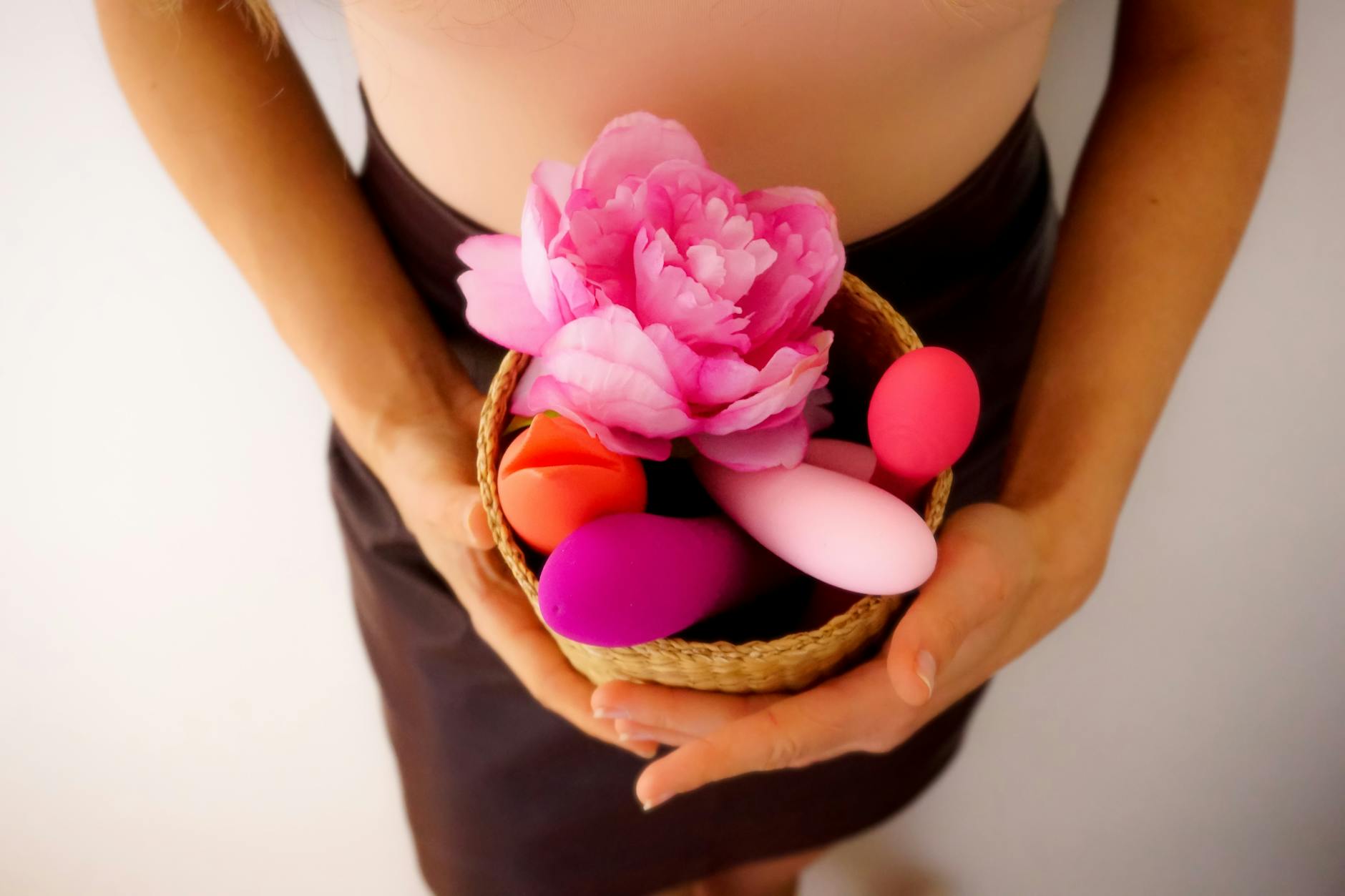
The clitoris, though, sits outside that problem zone. This is why lemon clitoral vibrators work particularly well for people with endometriosis. You're accessing pleasure through a pathway that didn't get the same nervous system training.
Traditional vibrators work through rapid buzzing or rolling motions. Both require direct, sustained friction against tissue. If you have endometriosis, internal inflammation means external tissue is often inflamed too. Friction, even gentle friction, can feel irritating rather than pleasurable.
Lemon vibrators use air-pulse suction technology. Instead of friction, you get gentle suction and release. This stimulates the same nerve endings as friction would, but through a completely different mechanical pathway. It's the difference between rubbing a sore shoulder and using a massage gun. Same result, totally different sensation.
For people with endometriosis, this matters because you can access pleasure without triggering inflammation response. Suction also tends to work faster than friction. More intense orgasms mean shorter sessions, which means less time managing pain response during sex.
Here's what I see clinically: people with chronic pain often develop anticipatory anxiety around sex. Your body hurt before. You know it might hurt again. So you tense up. And tensing up makes it more likely to hurt. You're caught in a loop.
Breaking that loop means having a win. A genuinely pleasurable experience without pain, without worrying about pain, without managing pain. Lemon vibrators work well for this because they tend to deliver that win faster than other tools. You feel good, it happens quickly, your brain registers safety. That's how you retrain nervous system response.
If you're partnered, this also matters for your relationship. A lot of the time, couples dealing with endometriosis sex get stuck in a performance dynamic. Your partner feels guilty. You feel pressured. Nobody's actually relaxed. Getting off without that pressure can feel revelatory.
With endometriosis, foreplay isn't optional. It's a physiological requirement. Your pelvic floor needs longer to relax, and your nervous system needs longer to downshift into arousal mode. I tell my clients to think of it less as foreplay and more as the main event.
Start with touch that feels completely safe. This might be nonsexual touch. Hands on your arms. Being held. Whatever doesn't activate pain pathways. Spend time there. Then gradually move to touch that's sexual but not genital. Inner thighs. Low belly. Breasts. The goal is to activate arousal pathways while keeping away from inflamed tissue.
Only once you actually feel aroused, not just mentally interested but physically responsive, do you introduce the lemon vibrator. By that point, your pelvic floor is more relaxed, your nervous system is more open, and you're way more likely to have an experience that feels good.
If you have endometriosis and sex is consistently painful, you need a pelvic floor physical therapist. This is not optional. A good pelvic floor PT can identify exactly where the holding pattern is and teach you how to release it. They're not the same as a regular PT. Ask your GP or gynecologist for a referral to someone who specializes in endometriosis.
You might also want to chat with your doctor about whether your current pain management is actually working. Some people find that adjusting medication timing to take pain meds before sex makes a difference. Others switch birth control formulations. Others use topical pain relief. There's no one answer, but there are answers.
If penetrative sex is painful but clitoral stimulation isn't, that's important information. It tells you where the problem zone is and means you have a clear path to pleasure that works. This isn't settling. This is working with your body's actual reality instead of fighting it.
Endometriosis can also lower libido directly. Chronic pain is exhausting. Your cortisol is elevated. Your nervous system is stressed. Desire doesn't flourish in that environment. This isn't psychological. It's neuroendocrine.
Here's what sometimes helps: focusing on clitoral pleasure without the pressure of the bigger experience. Using a lemon vibrator for ten minutes of genuine pleasure, without expecting it to lead anywhere or be part of a larger sexual experience. Just pleasure for its own sake. Sounds small. But neurologically, you're telling your brain that pleasure is still possible in this body. That's a huge reframe.
Endometriosis pain changes throughout your cycle, often getting worse around ovulation and the days before your period. Your sensitivity to touch changes too. Some days, the lightest pressure feels too much. Other days, you need more intensity to feel anything.
With a lemon vibrator, you can adjust pattern and intensity to match where you are in your cycle. Pattern 1 through 3 for high-pain days. Ramp up as pain decreases. This flexibility matters because it means the tool actually works across your cycle instead of only working sometimes.
Keep a quick note on your phone about what pattern felt good on what day. After a couple of cycles, you'll have a map of what works when. That knowledge is powerful.
Having endometriosis doesn't mean you can't have excellent orgasms. I've worked with clients who report their most intense pleasure ever comes after they stop fighting their condition and start working with it. But it does mean the path to pleasure looks different.
Sex might take longer. It might require more setup. It might not be penetrative. It might not involve a partner at all. None of that is less. It's just different. And different, when you stop resisting it, often turns out to be better.
You deserve pleasure that works with your body, not against it. Lemon clitoral vibrators are specifically designed to do that. You're not settling for less. You're getting exactly what you actually need.
Yes, but context matters. If you have sharp pain during arousal or during specific parts of your cycle, that's information. Use the vibrator on the low patterns during those times, and focus only on clitoral stimulation. If penetrative attempts create pain, skip them entirely. The vibrator should never create pain. If it does, stop and talk to your pelvic floor PT about what's happening.
Sometimes. Chronic pain can create a sensation of numbness or reduced sensitivity in affected areas. This is why air-pulse technology is useful. The suction sensation activates different nerve pathways than buzzing does. You might find that lemon vibrators work better than traditional vibrators precisely because of this difference.
There's no right length, but shorter often beats longer. Aim for 10 to 15 minutes total. Spend the first 5 minutes with lighter stimulation, then increase intensity. Most people with endometriosis find they can orgasm faster with air-pulse technology, which is actually a benefit because you're not spending an hour managing pain response.
Yes. Many people find that clitoral pleasure actually helps with period pain and cramping. Orgasms increase blood flow and release oxytocin, which can reduce pain sensation. If you want to use a vibrator during your period, absolutely try it. Some days it'll feel great. Other days you won't want to. Listen to your body.
Yes. Definitely yes. Your partner isn't a mind reader. They don't know what feels good, what hurts, what you need to feel safe. Have the conversation when you're not about to have sex, so it's not loaded. Talk about what does work, what doesn't, and what you want to explore. If your partner is resistant or dismissive, that's a relationship issue separate from endometriosis. Worth addressing directly.
Completely normal. This is actually the definition of how endometriosis changes sensation. Touch that activates affected tissue hurts. Touch that doesn't, doesn't. This is why focusing on clitoral pleasure works so well. You're choosing a pathway that works.
Endometriosis is not a reason to stop having pleasure. It's a reason to get really intentional about what kind of pleasure actually works for you. A lemon vibrator is a tool designed to work with those constraints, not around them. That matters more than you might think.