
Let's talk about what hormonal therapy actually does to your pleasure
You start a new medication or therapy. Within weeks, something feels off during sex. Not bad necessarily. Just different. Your lemon vibrator, which used to deliver exactly the sensation you wanted, now feels like it's working at a slightly different frequency. Your arousal takes longer to build. Your orgasms feel deeper, or lighter, or arrive from a different angle entirely.
This is not your imagination. Hormonal therapy rewires how your nervous system responds to stimulation. And if no one warned you this would happen, it's easy to think something is broken. Nothing is. Your body is just running new software.
How hormones change the sensation game
Let's get specific about what hormonal therapy actually changes at the nerve level.
Estrogen affects tissue thickness, blood flow to the genitals, and how quickly arousal builds. Progesterone shifts your baseline arousal and can make orgasms feel more diffuse or harder to reach. Testosterone (yes, people assigned female at birth produce it) directly influences desire and clitoral sensitivity. When you shift the balance of any of these hormones, the entire sensory pathway rewires.
Here's what this means practically. If you're starting estrogen-dominant hormonal therapy, tissues may become more sensitive or engorged more quickly. If you're on a progesterone-heavy protocol, arousal might feel muted or require more intentional focus. Some people report that their clitoris feels less responsive immediately after starting, then bounces back stronger within a few weeks as their body adjusts.
The other piece: your brain responds differently too. Hormones influence neurotransmitters like dopamine and serotonin, which gate arousal and pleasure. A medication shift can change how your brain interprets the same physical sensation. That lemon vibrator you love might suddenly feel too intense, or paradoxically, not quite intense enough.
Why the first few weeks are the trickiest adjustment
Most people experience noticeable sensation changes in the first 2 to 6 weeks after starting hormonal therapy. This is when your body is still acclimating, and your nervous system hasn't yet established new baseline expectations.
This is also when most people get frustrated and assume something is wrong. They stop using their vibrators. They avoid sex. They spiral a little. And then they don't talk about it because there's no cultural script for "my hormones changed and now my pleasure feels weird."
Here's what actually helps: continuing to explore sensation, but with permission to adjust what you're doing. If your lemon clitoral vibrator feels too strong, try starting at a lower pattern. If arousal takes longer, schedule longer foreplay. If your orgasms feel different, sit with that without judgment instead of trying to force the old feeling back. Your body will settle into its new normal, usually within 4 to 8 weeks.
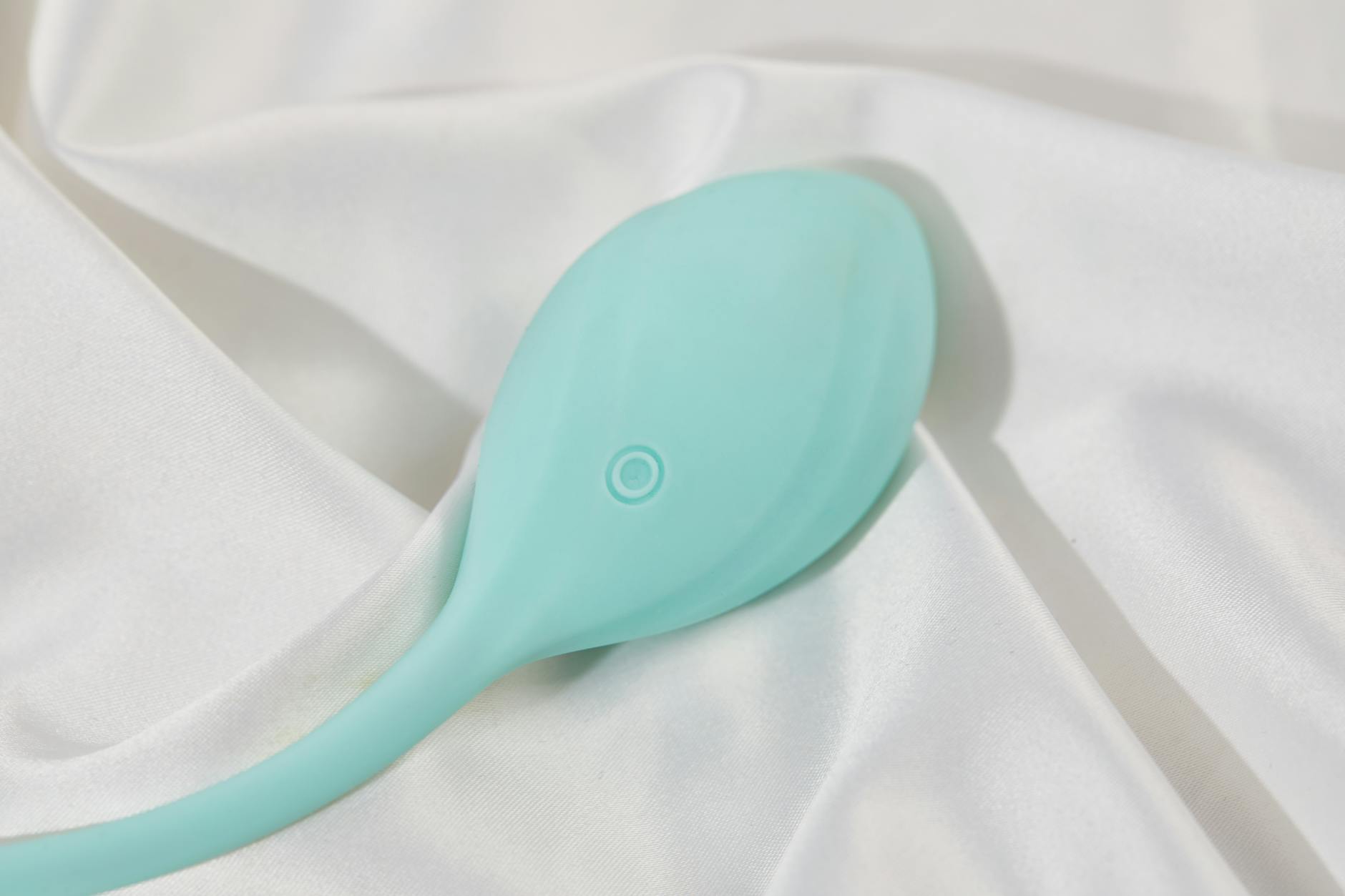
Photo by IFONNX Toys on Pexels
The three most common shifts people report
In my work with couples navigating hormonal changes, three patterns emerge repeatedly.
One: arousal takes longer. You used to get turned on in five minutes. Now it's fifteen or twenty. This doesn't mean your desire is gone. It means the hormonal substrate that speeds up your nervous system response has shifted. The fix is not forcing it. The fix is budgeting time and letting yourself warm up naturally. Many people find that once arousal actually arrives, it's deeper and more sustained than before.
Two: orgasms feel different in shape. Instead of a sharp peak, you might experience a longer plateau. Or instead of full-body release, sensation concentrates in one area. Or orgasms come easier but feel less intense. Again, none of these are wrong. They're different. A lemon vibrator's suction-based stimulation can help you explore these new sensations without the pressure of trying to replicate the old ones. The Lem's graduated intensity patterns let you experiment with different types of stimulation to find what works with your new baseline.
Three: sensitivity swings. Some people report that their clitoris feels almost numb in the first week or two, then becomes acutely sensitive as hormones stabilize. This can be confusing and discouraging. What helps is knowing this is temporary. Start gentle. Increase gradually. Your sensitivity will likely find a new equilibrium that feels good, just different from before.
When to adjust your approach with lemon vibrators
If you've been using a lemon clitoral vibrator before starting hormonal therapy, you don't need to abandon it. You might just need to use it differently.
First, reset your expectations about patterns and intensity. If the Lem usually lives at pattern 5 or 6, you might need to start at 2 or 3 for the first few weeks. This isn't weakness or loss of sensitivity. It's working with your nervous system instead of against it. As your body adjusts, you'll likely find you want more intensity again.
Second, extend your warm-up. Lemon vibrators work best when you're already somewhat aroused. If arousal is slower now, spend 10 to 15 minutes on foreplay or external stimulation before using your vibrator. This primes the nervous system and makes the experience feel more natural.
Third, pay attention to timing within your cycle or with your medication schedule. Some hormonal therapies create noticeable fluctuations. If you take a pill daily, sensitivity might vary depending on where you are in the dosing window. Tracking when you feel most responsive helps you schedule intimacy for times when pleasure feels most accessible.
What hormonal therapy changes about partnered pleasure
Honestly, this is where most couples struggle. You start hormonal therapy for legitimate reasons. Your desire changes. Your orgasms change. And if your partner doesn't understand that this is a temporary adjustment, not a referendum on the relationship, resentment creeps in.
Here's what I tell my clients: separate the conversation. "My body is responding differently to hormones" is not the same conversation as "I'm less attracted to you" or "I need us to reconnect." Most people with hormonal changes conflate these. They assume sensation changes mean desire changes mean relationship problems. It's rarely that linear.
If you're partnered, give your partner this information: your pleasure is shifting because of chemistry, not because of them or the relationship. Invite them to explore this shift with you. Maybe they help adjust the intensity of your lemon vibrator. Maybe they participate in longer foreplay. Maybe they simply understand that orgasm might take longer and that's fine. Permission and patience from your partner changes everything.
Photo by cottonbro studio on Pexels
When sensation changes signal something to discuss with your doctor
Most sensation shifts after starting hormonal therapy are normal and temporary. But some warrant a conversation with your prescriber.
If numbness or decreased sensation persists beyond 8 weeks, mention it. Some hormonal therapies need dose adjustments. If you're experiencing pain or burning that wasn't there before, report it immediately. If arousal completely disappears, that's also worth discussing. Your doctor might suggest timing adjustments, dose changes, or switching medications. They're not going to shame you for asking. This is part of informed hormonal therapy.
Also flag it if sensation changes are accompanied by mood shifts, sleep changes, or other side effects that bother you. Often, addressing the underlying issue helps pleasure normalize too.
Why lemon vibrators are particularly helpful during this transition
The suction-based design of lemon clitoral vibrators makes them especially useful when sensation is in flux. Here's why.
Suction doesn't require the same direct friction as traditional vibration. If your tissues feel tender during hormonal adjustment, suction can provide intense sensation without pressure. It also doesn't require you to achieve a specific level of engorgement to feel good. The suction works with your body rather than demanding a particular physiological state.
The graduated intensity patterns let you fine-tune what your body needs. You're not locked into one type of stimulation. You can start subtle and adjust upward as arousal builds, or stay subtle if that's what feels right today. This flexibility matters when your baseline is shifting daily.
FAQ: Your questions about sensation changes and hormonal therapy
How long does it take for sensation to stabilize after starting hormonal therapy?
Most people notice significant stabilization within 4 to 8 weeks. Some people feel settled within 2 weeks. A few take 12 weeks or longer. This varies based on the type of hormone therapy, your baseline sensitivity, and individual factors. The first month is usually the most noticeable shift. After that, changes tend to be subtler. If you're still experiencing significant fluctuations after 12 weeks, it's worth mentioning to your prescriber.
Can hormonal therapy permanently change my sensation?
No. If you stop hormonal therapy, sensation typically returns to your baseline within a few weeks to a few months. If you stay on hormonal therapy long-term, your body adapts and sensation stabilizes at a new normal. This new normal is your baseline while you're taking the medication, but it's not permanent in the sense of being irreversible. Your nervous system is flexible and responsive to hormonal changes, not stuck.
Should I use my lemon vibrator during the adjustment period, or wait until sensation stabilizes?
Use it, but gently and with permission to adjust. Continuing to engage with pleasure during hormonal transitions actually helps your nervous system adapt. It signals that pleasure is still available, just slightly different. Many people find that maintaining their pleasure practice during adjustment actually speeds up stabilization because they're not in a cycle of avoidance and anxiety. Start at lower intensities and adjust as you feel ready.
Will hormonal therapy make me need more or less stimulation?
It varies wildly. Some people need significantly more stimulation after starting certain hormonal therapies. Others need less. Some experience both at different times. There's no predictable pattern because every person's neurochemistry is different. The best approach is curiosity rather than assumption. Notice what feels right. Adjust your lemon vibrator use accordingly. Your needs will likely shift a few times before settling.
Is decreased sensation after hormonal therapy a sign I should stop taking it?
Not necessarily, and stopping without talking to your prescriber isn't the answer either. Sensation changes are usually temporary. Stopping medication to chase baseline sensation can mean losing the benefits you started taking it for. If sensation changes are really bothering you, discuss it with your doctor. They might adjust timing, dose, or suggest a different medication. But the answer is almost never "stop without support."
Can I use lemon vibrators while on hormonal therapy?
Yes, absolutely. Lemon clitoral vibrators are safe to use while on any hormonal therapy. They don't interact with medications or affect how hormones work. The only adjustment is how you use them, intensity-wise, based on your individual sensation changes. You're not contraindicated from anything pleasure-related.
The bigger picture: hormones aren't your enemy
When sensation shifts after starting hormonal therapy, the instinct is to blame the medication. But here's what I've observed in my practice: most people who stick with the adjustment period end up reporting that their pleasure actually deepens. Not because the medication magically improves sex, but because they've learned to listen to their body more carefully. They've stopped assuming one way of experiencing pleasure is the right way. They've discovered that pleasure is flexible.
Your lemon vibrator is still there. Your capacity for sensation is still there. The chemistry shifted. You adjusted. That's not loss. That's adaptation. And often, the other side of that adaptation is richer than where you started.
If you're in the thick of hormonal changes right now and everything feels unfamiliar, give yourself 6 to 8 weeks before you decide anything is wrong. Explore gently. Stay curious. And if you have questions or concerns that go beyond self-care, reach out to your doctor or a therapist who specializes in sexual health. You don't have to navigate this alone.