
Let's start with what doesn't work as well as we thought
For decades, vibration was the gold standard. Buzz the clitoris hard enough, long enough, and the body responds. It works. But it's not the whole story. I've worked with hundreds of clients navigating pleasure, and the number one complaint I hear about traditional vibrators is oddly consistent: "It feels good, but I have to work for it. I'm thinking about coming instead of just coming."
That exhaustion is real, and it's not a personal failing. It's physics.
The vibration plateau problem
Vibration triggers nerves through high-frequency oscillation. Your clitoris has roughly 8,000 nerve endings, and vibration activates a broad band of them at once. The issue? Your nervous system habituates. After about 15-30 minutes of the same frequency and intensity, your nerve endings stop firing as readily. You need to crank the intensity higher, switch patterns frantically, or take a break. The orgasm becomes a project instead of a release.
That's where air-pulse technology enters. Instead of vibrating side-to-side, air-suction creates a seal and a rhythmic pulse of pressure and release. It's gentler on the tissue, but neurologically it's doing something wildly different. Rather than overwhelming a broad neural field, it creates a concentrated focal point of stimulation that doesn't plateau the same way.
Lemon vibrators that use air-pulse suction, like the Lem, operate on this principle. They're not buzzing. They're breathing.
How air-pulse changes the game
When you use an air-suction device, the sensation comes from negative pressure followed by release, creating a pulsing rhythm that mimics the body's own natural responses. This mechanism is gentler on sensitive tissue, which matters hugely for people with vulvas who've never experienced consistent pleasure or who have texture sensitivities.
But here's the part that actually shifts outcomes: the sensation doesn't numb. A client of mine switched from a traditional clitoral vibrator to a lemon sucker after ten years of inconsistent orgasms. Her words were exact: "It's like someone turned up the volume on pleasure I didn't know I was missing."
Neurologically, here's why. Air-pulse stimulation activates a different cluster of nerve pathways than vibration alone. It creates stronger feedback signals to the brain, which means your arousal builds faster and more consistently. The orgasm, when it arrives, often feels fuller because the neural activation is more concentrated rather than diffuse.
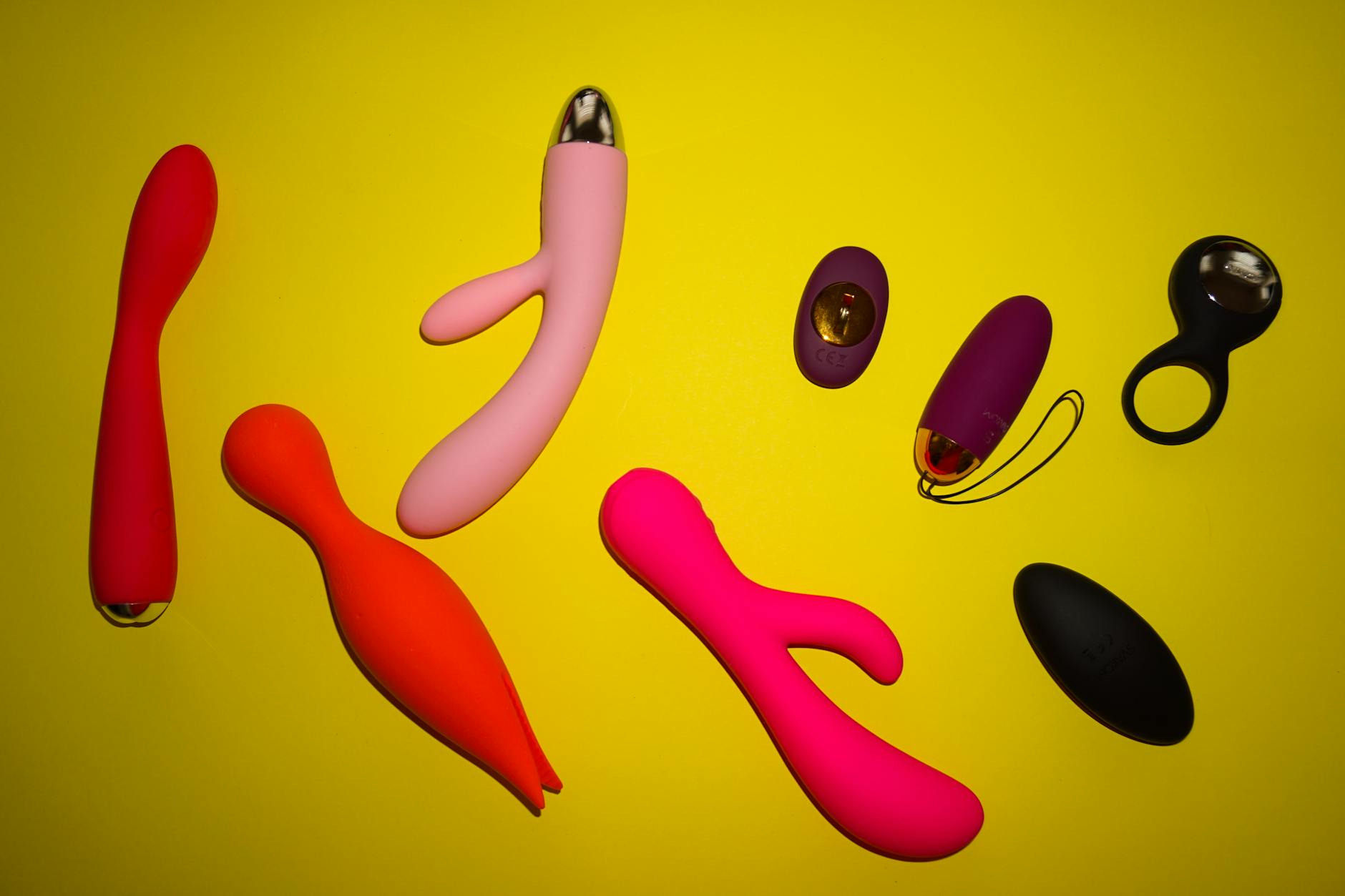
Photo by FounderTips on Pexels
The design advantage of lemon clitoral vibrators
Done right, lemon vibrators have another structural win. The shape itself matters. A toy that sits over the clitoral complex, rather than pressing against it directly, distributes pressure more evenly. This is partly about ergonomics, but it's also about consent. Your tissue gets to say no at any moment, and the toy continues to work without pressure.
The Hello Nancy Lem vibrator embodies this. It's a lemon sucker that prioritizes steady, rhythmic air-pulse over aggressive vibration. That design choice cascades into user experience. Less urgency, fewer dead batteries, more consistent results.
I mention this not as brand preference but as clinical observation. In my practice, when someone switches from a traditional vibrator to an air-pulse device, the conversation shifts. Instead of "Why can't I come," I hear "I'm coming faster, but how do I make it last longer."
Sensation recovery and pleasure potential
One overlooked advantage of air-pulse lemon vibrators is their role in sensation recovery. Some people, particularly those who've used very high-intensity vibrators for years, develop what I call "vibration fatigue." The clitoris stops responding because it's been receiving overstimulation at the same frequency.
Switching to an air-suction device allows the nervous system to recalibrate. The pulsing rhythm is different enough that the nerves essentially reset. Users report that after a few weeks of using a lemon clitoral vibrator, their sensitivity returns. Traditional vibrators become interesting again. Or they don't, and air-pulse becomes their preference. Either way, agency returns.
This matters psychologically too. When pleasure feels like a choice rather than a struggle, the mental component transforms. Arousal starts at the brain, travels down the nervous system, and builds from there. Removing the friction of mechanical failure lets people actually be present.
Air-pulse versus vibration for sensitive tissue
Here's something most toy guides don't address directly: vibration can become painful for people with sensitive vulvar tissue, endometriosis, pelvic floor dysfunction, or anyone recovering from trauma. The constant micro-movements can trigger nerve pain rather than pleasure.
Air-pulse technology bypasses this problem entirely. Because the pressure is applied through sealed contact and gentle suction, not through mechanical oscillation, it's dramatically gentler. A partner or client with tissue sensitivity can use a lemon sucker comfortably in situations where a traditional vibrator would cause pain.
I've seen this shift outcomes for people who believed they couldn't experience pleasure this way. The capacity was there. The tool was wrong.
The pleasure math: speed, consistency, depth
When I break down what makes air-pulse lemon vibrators consistently outperform traditional clitoral toys, it comes down to three metrics.
Speed: Air-pulse devices tend to build arousal faster because the neural pathways they activate are fresher. There's no plateau.
Consistency: The rhythm doesn't fatigue the nervous system the same way vibration does. You can use an air-suction toy for 30 or 40 minutes without sensation drop-off.
Depth: The sensation tends to feel more localized and intense. People describe it as fuller, more complete. The orgasm, when it arrives, registers differently in the body.
These advantages compound. A faster build plus consistency plus depth equals higher satisfaction and, practically speaking, better outcomes for people trying to rewire their pleasure after years of difficulty.
When to choose air-pulse over vibration
Not every situation calls for a lemon clitoral vibrator. Vibration has its place. But air-pulse is the smarter choice if you're:
Experiencing vibration fatigue or numbness after years of use. Looking for gentler stimulation with sensitive tissue. Struggling to build consistent arousal with traditional toys. Interested in longer sessions without pattern fatigue. Recovering sensation after trauma or medical treatment. Wanting a tool that mimics the body's natural responses more closely.
If none of those apply, and you're having great orgasms with what you're using, stay. The best toy is the one that works. But if you're curious why lemon sucker devices have become increasingly popular, it's not marketing hype. The neuroscience is solid, and the user data backs it up.
The relationship between pleasure and the tools we choose is intimate and personal. I've learned to listen when someone says something isn't working, rather than assuming the problem is user error. Often it's a mismatch between tool and body. Air-pulse lemon vibrators solve that mismatch for a lot of people. They might solve it for you too.
FAQ
Is air-pulse suction technology safe for prolonged use?
Yes, when you follow manufacturer guidelines. Air-pulse devices are designed to create gentle, rhythmic suction, not vacuum pressure. The sensation should feel like a pulse, never painful. If you experience pain, bruising, or numbness, stop and give your tissue a rest. Most people can use air-suction toys daily without issue, though some prefer every other day for optimal sensation recovery.
How does an air-pulse lemon vibrator compare to a wand vibrator for clitoral pleasure?
Wand vibrators deliver broader, more intense vibration across a wider tissue area. Air-pulse lemon vibrators concentrate sensation on the clitoral complex itself through rhythmic suction. Wands are faster for some people, air-pulse is deeper for others. Many folks keep both and switch depending on mood. Air-pulse toys tend to require less pressure and less movement, which can be helpful if you have hand fatigue or joint issues.
Can I use a lemon clitoral vibrator if I have pelvic floor dysfunction?
Carefully, yes. Air-pulse devices are gentler on the pelvic floor muscles than intense vibration because they don't trigger the same involuntary contractions. That said, pelvic floor dysfunction is varied, and what works depends on your specific diagnosis. Talk to your pelvic floor physical therapist before introducing any toy. Many PTs actually recommend air-pulse devices over vibrators for people in treatment.
Why do some people prefer traditional vibrators if air-pulse is so good?
Because pleasure is deeply personal and neurologically unique. Some people's nervous systems respond more powerfully to vibration frequency. Some have texture preferences or body memories tied to specific sensations. Some find air-pulse devices feel awkward or uncomfortable. The goal isn't for everyone to use a lemon sucker. It's for everyone to have the information to choose what actually works for their body.
How long does it take to feel a difference switching from vibration to air-pulse?
Most people notice a shift within the first few uses, usually in how quickly arousal builds. The bigger changes, like sensation recovery and deeper orgasms, typically unfold over 2-4 weeks as your nervous system adjusts. Some folks need longer. Patience matters here. Your body's been trained to respond a certain way, and rewiring takes time.
Are lemon vibrators more expensive than traditional clitoral toys?
Generally, air-pulse devices are priced similarly or slightly higher than quality vibrators because the technology is more complex. The Lem vibrator at Hello Nancy is $89, which sits in the mid-range for clitoral toys. Whether that's worth it depends on your pleasure budget and priorities. If traditional toys aren't delivering, investing in air-pulse technology often pays for itself in actual orgasms and satisfaction.
The bottom line
Air-pulse lemon vibrators aren't a miracle. But they're also not hype. The neuroscience is real, the user outcomes are measurable, and for a significant portion of people, they deliver better results than vibration alone. If you're curious, the best way forward is to try one and notice what changes. Your pleasure is worth the experiment. If you have questions about what might work for your body, I'm here to help. Reach out anytime.