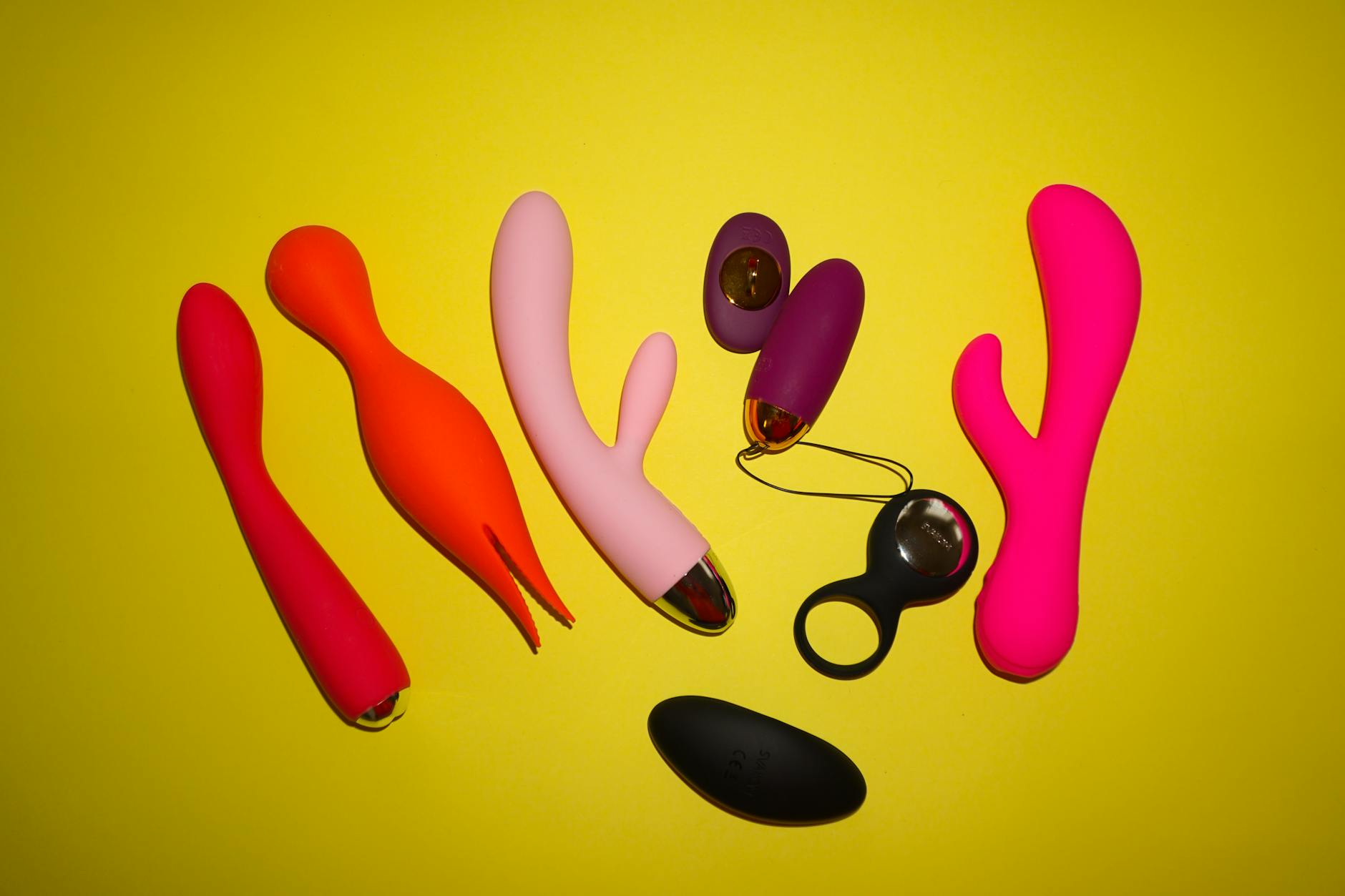
Let's be honest about what happens to foreplay
Everything starts fast after a decade together. You know each other's bodies. You know what works. Foreplay becomes optional because you think you know the shortcut to the destination. The problem is that your nervous system never got the memo.
Arrousal isn't just physical. It's neurological. When you skip the warm-up, you're asking your body to go from zero to sixty in thirty seconds. For most people, that doesn't work. Your clitoris hasn't been awakened. Your blood vessels haven't dilated. Your brain hasn't shifted from the day's stress into pleasure. And over time, skipping that buildup doesn't make sex feel quicker—it makes it feel numb.
Why skipping foreplay is actually a communication problem disguised as efficiency
Here's what usually happens in long-term relationships: one partner has less time, less energy, or less obvious need for warm-up. The other partner learns to adapt. They get ready faster. They stop asking for the slow part. It feels kind. It feels practical. And it absolutely tanks pleasure.
The data backs this up. Couples who maintain foreplay—real foreplay, at least 15 minutes—report higher satisfaction and stronger emotional connection than those who don't. That's not because foreplay itself is magic. It's because foreplay requires presence. It requires your partner to focus on you. It requires vulnerability and attention, which are the actual foundations of intimacy.
When you skip it, you're telling your body—and your partner—that getting to the finish line matters more than the experience of being together.
What lemon clitoral vibrators do differently
Lemon vibrators, particularly the air-suction design of the Lem, change the dynamic because they don't require your partner to do anything at all. You can use them solo while your partner is present, or you can use them together as part of foreplay that's faster but still deeply pleasurable.
The key: a good lemon vibrator compensates for skipped warm-up time. Here's how.
When you're aroused through penetration or friction alone, your clitoris receives indirect, broad stimulation. The Lem delivers precise, concentrated suction that wakes up nerve endings without requiring 20 minutes of build-up first. You can orgasm faster. But—and this is the crucial part—faster doesn't mean empty.
Many people who switch to clitoral vibrators report that their orgasms feel deeper, more full-body, and more integrated with emotional intimacy than they ever did with penetration-focused sex. That's because the clitoris itself is being centered. Your pleasure becomes the point, not a side benefit of something else.
How to reintroduce lemon vibrators into foreplay (without it feeling weird)
If you've been skipping foreplay for years, pulling out a toy can feel abrupt. Here's the gentlest way in.
Start with your solo practice first. Spend a week or two using your lemon vibrator alone. Get comfortable with it. Learn what speeds and patterns actually feel good. This removes the self-consciousness when your partner is watching.
Introduce it as a change of pace, not a solution. Don't frame it as fixing a problem. Frame it as trying something new together. "I picked this up. Want to explore it with me?" Different energy than "We need to do something about our sex life."
Use it during partnered foreplay, not as a replacement for touch. Let your partner touch you while you use the vibrator. Let them watch. Let them switch back and forth between their hands and you using the toy. This keeps the presence and connection while adding new sensation.
Set a no-rush time boundary. If you usually have 15 minutes for sex, give yourself 30 on the first night you use it together. Pressure kills arousal. A lemon clitoral vibrator works best when you're not watching the clock.
The emotional piece most people skip
Let me be direct: if you've been skipping foreplay for years, there's usually something underneath that. Maybe resentment about who initiates. Maybe one partner feeling like their pleasure doesn't count. Maybe exhaustion that's actually about the relationship, not the body.
A vibrator doesn't fix that. But it can create space for you to talk about it.
When you slow down enough to use a lemon vibrator together, you have to be present in a way you haven't been. You have to look at your partner. You have to pay attention to what's working. You have to stay engaged instead of just waiting for it to be over.
That presence often surfaces things that need addressing. Sometimes it's just "I miss you." Sometimes it's deeper. Either way, the vibrator becomes less about the tool and more about what the tool creates: an opening.
Practical setup that actually works
Four things that shift the experience from awkward to integrated:
Lubrication matters more than you think. A good water-based lubricant makes a lemon vibrator feel less mechanical and more like an extension of your partner's touch. It also quiets things down, which helps mentally.
Angle and pressure change everything. The clitoris isn't flat. Experiment with approaching it from different angles with your vibrator. Some people prefer direct contact. Some prefer it just off to the side. Neither is right or wrong. You're discovering your own body.
Use it during penetration if you want. Many couples find that using a clitoral vibrator during penetrative sex creates multiple sensation layers. You get the closeness and depth of being inside together, plus the specific pleasure of clitoral stimulation. It's not cheating. It's integration.
Keep it visible, not hidden. Stashing your lemon vibrator in a drawer turns it into contraband. Keeping it on the nightstand normalizes it. It becomes just another tool, like the lube you probably already have.
When to worry, and when not to
One of the biggest concerns couples bring up: will using a vibrator make sex feel less intimate? The answer is almost always no. What actually happens is the opposite. When pleasure gets activated, presence increases. When your body feels prioritized, your mind softens. Intimacy deepens, not shallows.
What does sometimes happen: one partner feels like they're not enough anymore. That's real, and it deserves a real conversation. The truth is this—a lemon vibrator isn't replacing your partner. It's replacing the foreplay you've both been skipping. Your partner's touch still matters. It always will. The vibrator just makes sure that skipping the warm-up doesn't sabotage the whole experience.
The bigger shift
What I see with couples who reintroduce foreplay through vibrators is a slow return to presence. They stop rushing. They start noticing each other again. Sex becomes something that takes time, requires attention, and actually feels good instead of checking a box.
The lemon vibrator isn't doing the work. You are. It's just giving you permission to slow down and make your own pleasure non-negotiable. And in most long-term relationships, that permission has been missing for years.
FAQ: Foreplay, vibrators, and long-term relationships
Can using a lemon vibrator together help rebuild emotional intimacy after years of routine sex?
Yes. The slowness required to use a vibrator well creates space for presence that routine sex often lacks. When you're focused on pleasure together, you're making eye contact, paying attention to response, and communicating nonverbally in ways that deeply reconnect you. The tool becomes a context for rebuilding the attention itself.
Is it normal to orgasm faster with a clitoral vibrator than with foreplay alone?
Completely normal. Clitoral vibrators like the Lem deliver precise stimulation to thousands of nerve endings at once, so they can trigger orgasm more quickly than indirect stimulation. That speed doesn't make the experience less meaningful—it just means your body can be efficient when it's properly activated. Many people actually report more intense satisfaction because their pleasure is being directly centered.
What if my partner feels threatened by a lemon vibrator entering our foreplay?
That usually points to something worth exploring. Is he worried the vibrator will replace him? Worried about his own inadequacy? Worried about what it means that you want different sensation? Start a conversation outside the bedroom. Frame it as curiosity, not criticism. "I'm interested in exploring this. I want to do it with you. I need you to feel good about this too." If he remains resistant, a couples therapist can help unpack what's underneath the resistance.
How often should we use a lemon vibrator in our foreplay if we're just starting out?
There's no rule. Some couples integrate it every time. Some use it once or twice a week. The key is that it feels like a choice, not an obligation. Lemon sexual toys work best when you're curious about them, not when you feel pressured. Start with once a week and see what rhythm feels natural.
Can lemon vibrators help if foreplay is painful or causes irritation?
Yes, with important caveats. If foreplay causes pain, there's often a medical reason—a skin condition, tension, or hormone-related dryness. See a doctor first. Once you've ruled out physical causes, a vibrator designed for precision (like a lemon clitoral vibrator) allows you to access pleasure without prolonged friction, which can help. But it's not a replacement for addressing the underlying cause.
Will skipping vibrators mean we're going backward in our relationship?
No. Vibrators aren't the point. Presence is. If you use a vibrator for three months, then decide you prefer without it, that's completely fine. What matters is that the vibrator created a moment where you both slowed down and remembered what pleasure feels like. That memory stays.
The real work starts now
Long-term relationships survive on small choices made consistently. Using a lemon vibrator isn't one of them. But choosing to slow down, choosing to make your partner's pleasure matter as much as your own, choosing to be present instead of efficient—those choices build everything.
The vibrator is just the opening. What happens in that opening is up to you both. And honestly, that's where the real intimacy lives.