Let's start with the obvious part
Stress kills sex drive. Not sometimes. Always. Your brain is wired to prioritize survival over pleasure, and when you're in chronic stress mode, your nervous system treats pleasure like a luxury it can't afford right now.
The problem is that most advice about low libido assumes the issue is relationship-based or hormonal. Sometimes it is. But often it's purely neurological: your stress response system has hijacked your pleasure response system, and they're not going to trade places until something shifts.
Why stress specifically tanks desire
When you're stressed, your cortisol stays elevated. Cortisol suppresses dopamine and actually competes with testosterone for receptor space in your brain. That means even if your hormone levels are fine, your body isn't registering the signals for arousal. You might look at your partner and feel nothing. You might think about sex and feel a blank wall instead of a spark. This isn't broken desire. It's a nervous system that's stuck in protection mode.
Add to that the cognitive load. When you're managing deadlines, family stuff, money stress, or any combination of the above, your prefrontal cortex is completely occupied. Arousal requires a certain kind of mental space. It requires you to let go of the to-do list and be present in your body. That's nearly impossible when your brain is running a background process of worry.
How clitoral vibrators reclaim that space
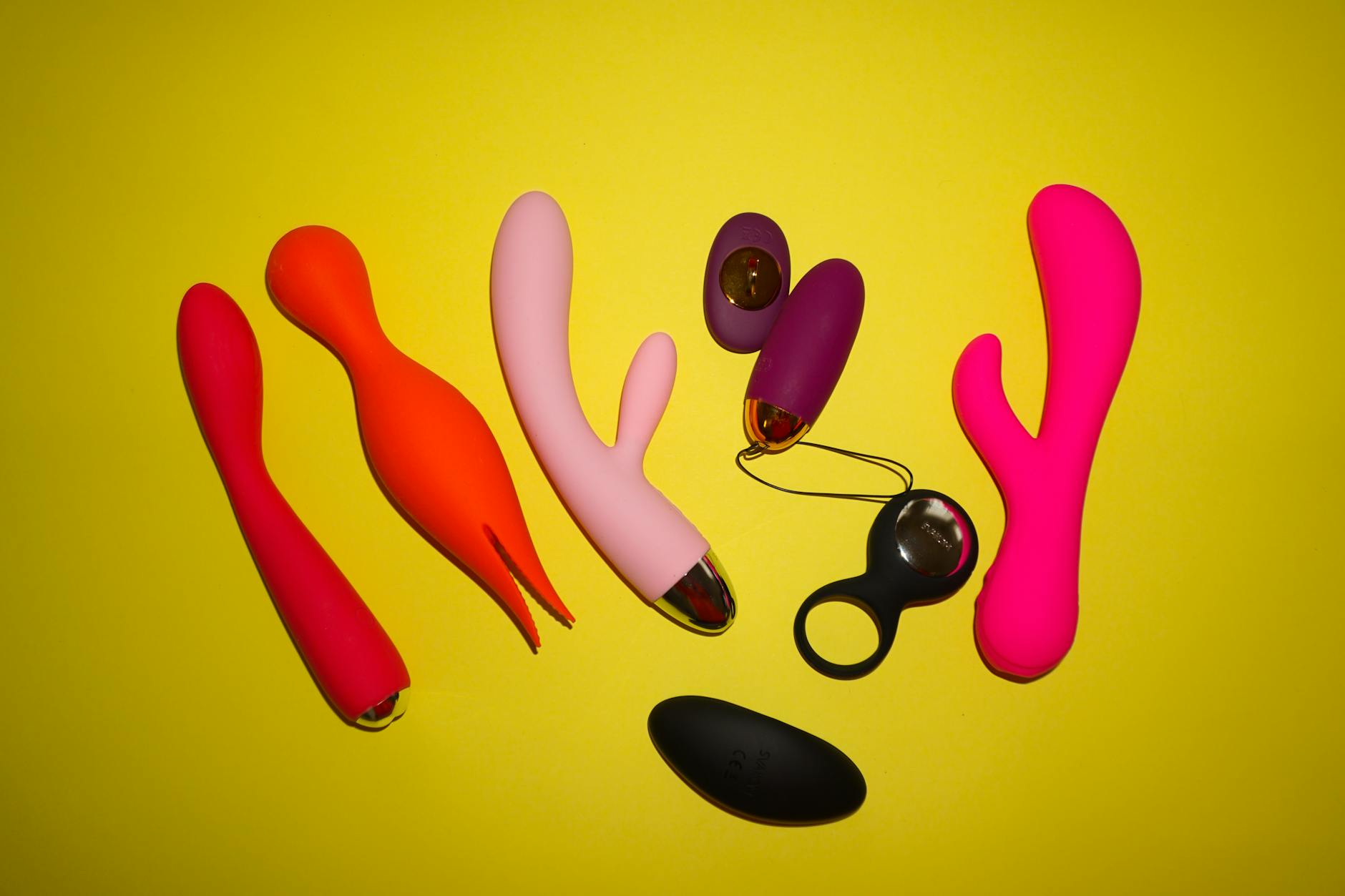
Here's the thing about lemon vibrators and other clitoral suction devices: they work differently than traditional vibrators because they don't require the same mental bandwidth to feel good. The suction sensation in a tool like the Lem is almost involuntary. Your body recognizes it as pleasure before your anxious brain can interrupt the signal.
When you're stressed, you can't will yourself to feel aroused. But you can use a clitoral vibrator to bypass that willpower-dependent step. The suction pattern of a lemon vibrator essentially says to your nervous system: "Look, I know you're stressed, but this feels really good." And it does. Your clitoris has about 8,000 nerve endings that are completely separate from the psychological part of arousal. You can access pleasure there even when your mind is somewhere else.
This is important because it breaks the cycle where stress kills desire, which creates shame, which creates more stress about low libido, which kills desire even more. Lemon clitoral vibrators let you bypass that spiral and access sensation directly.
The setup that actually works when you're overwhelmed
Don't try to create a perfect romantic evening. That will feel like another task on your to-do list, and it'll backfire.
Instead, do this:
Reclaim 20 minutes that are completely yours. Not romantic couple time. Just you time. A locked bathroom. Your bedroom door closed. The shower running so no one can hear you. The point is isolation, not ambiance. Tell your partner (if you have one) that you need this time and it's not about them. It's about you rebuilding connection to your own pleasure.
Start without the toy. Spend five minutes doing something that doesn't feel like "foreplay." Read something that makes you laugh. Look at something beautiful. Listen to a song you love. This is literally just giving your nervous system permission to downshift a tiny bit. You're still stressed, but you're not in crisis mode.
Then use the lemon vibrator. Start on the lowest setting. The point isn't to chase an orgasm. It's just to feel sensation. Let it build. You might notice that your mind wanders to the work email you didn't send, and that's fine. Your body's still registering pleasure even if your attention isn't fully there. That's okay. Keep going for ten minutes.
Don't judge the outcome. Orgasm is not the goal when you're stress-depleted. Sensation is the goal. Proof that your body still works. Evidence that pleasure is still possible even when your life is chaos.
Why this works better than trying harder
Most people respond to low libido by trying to fix it through willpower: scheduling sex, creating romance, reading erotica, talking to their partner about it more. All of that can help eventually, but when you're in acute stress, that's like trying to meditate by forcing yourself to be calm. It doesn't work. You just end up more frustrated.
Using a clitoral vibrator when stressed works because it's not dependent on willpower or mental presence. It's a physical intervention that says: "Your nervous system is stuck. Let's give your body a signal that pleasure is still available." Once your body remembers that pleasure is possible, the mental blocks start to loosen.
When to layer this into couple intimacy
If you have a partner, don't skip straight to partner sex. That's usually where stressed people mess up. They think, "Okay, I used a vibrator solo, now I should have sex with my partner," and then the pressure and performance anxiety kick right back in.
Instead, introduce the lemon vibrator into partnered time once you've rebuilt some solo sensation. Maybe your partner is with you and you're using it. Maybe they hold it. Maybe you show them what settings feel best. The point is that you're not going from stressed and numb to expectation-heavy couple sex. You're going from stressed and numb to solo sensation to partnered sensation. Each step builds on the last one.
If you need help navigating that conversation with your partner, the post on how to use lemon vibrators when your partner is uncomfortable with toys covers exactly how to frame it.
The stress piece you actually need to address
Lemon vibrators and clitoral vibrators in general can rebuild the sensation pathway that stress blocked. But they're not a substitute for actually managing the stress itself. If you use a vibrator twice a week but you're still running on cortisol 24/7, the low libido will come back.
So alongside using these tools, do at least one thing that actually lowers your nervous system activation. That might be ten minutes of walking outside. A bath. Therapy. Setting a boundary at work. Cutting something off your to-do list. The specific thing doesn't matter as much as the fact that you're doing something that says to your body: "We're safe now. We can relax."
That's when the solo lemon vibrator sessions stop feeling like you're trying to fix yourself and start feeling like genuine pleasure. And when that shift happens, desire usually comes back on its own.
People also ask
Can stress permanently damage my sex drive?
No. Stress can completely tank libido, but it's not permanent. Once your nervous system settles down, desire usually returns. The tricky part is that low libido from stress can create shame and anxiety about sex, which creates new blocks even after the original stress is gone. That's why using tools like lemon vibrators during the stressful period helps: you're keeping the pleasure pathway active so the shame piece doesn't get added on top of the stress piece.
How long does it take to rebuild desire after chronic stress?
It depends on how deep the stress runs and whether it's still happening. If you're stressed and still in the stressful situation, rebuilding desire is almost impossible. Your nervous system is trying to survive. Once the acute stress passes, most people notice a shift in arousal within two to four weeks if they're actively using tools like clitoral vibrators to reconnect with sensation. Solo sessions with a Lem or other lemon sexual toy can accelerate this because you're rewiring the neural pathway that stress interrupted.
Is low sex drive from stress the same as depression?
Not exactly, though they overlap. Stress is usually situational and temporary. Depression affects the brain's ability to feel pleasure in general, not just sexual pleasure. With stress-related low libido, you might feel nothing toward sex but still feel joy in other things. With depression, pleasure flatlines across the board. That said, chronic stress can absolutely turn into depression if it lasts long enough. If you've had low libido for more than a few months and it's not improving, talk to a doctor or therapist.
What if I'm too tired for even a 20-minute session?
Start with five minutes instead. Seriously. The goal isn't to create another obligation. It's to prove to your nervous system that pleasure is still available. Five minutes with a lemon vibrator is enough to register sensation. You can build from there once your energy improves.
Can my partner help restart my desire even if I'm stressed?
Yes, but not through pressure or more sex. What actually helps is your partner taking some of the stress off. If they handle dinner one night, or take a task off your plate, or just listen without trying to fix it, that lowers your cortisol. Lower cortisol means arousal becomes possible again. Then, once you've done solo work with a tool like the Lem to rebuild sensation, partner connection becomes easier.
Should I tell my therapist I'm using a vibrator to rebuild desire?
If you have a therapist, yes. It's helpful context for them to understand that you're actively working on reconnecting with your body. They might also help you untangle whether the stress is situational or whether there's a deeper anxiety about pleasure that's worth exploring.
The bottom line
Stress will always kill desire. But that doesn't mean you have to wait until your life calms down to feel pleasure again. Lemon vibrators and clitoral suction devices give your nervous system a way to remember that sensation is possible even when your brain is overwhelmed. Start there. Use them solo when you have fifteen minutes to yourself. Let your body rebuild what stress interrupted. Once that pathway is active again, everything else becomes easier. Your desire will come back. Your connection to your body will come back. But it has to start with giving yourself permission to feel good, even when life is hard.
If you're navigating desire issues in a relationship, reach out to us at /contact or check out our other posts on rebuilding intimacy and pleasure.