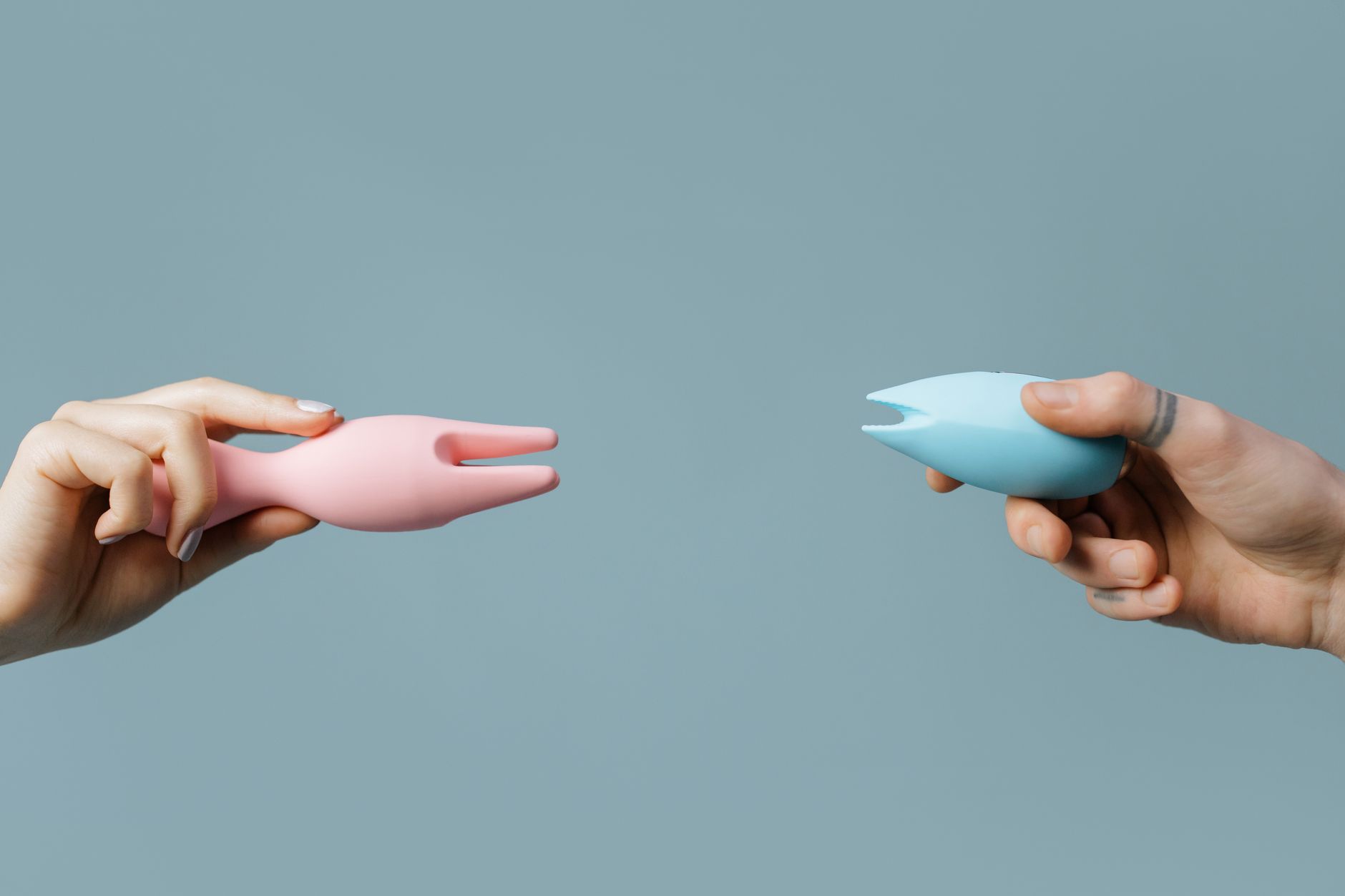
Here's what nobody tells you about aging and arousal
Somewhere between 35 and 55, arousal stops being automatic. It used to work like a light switch. Now it's more like a dimmer, and the dimmer moves slowly. That's not broken. It's not a sign you're losing interest. It's your nervous system changing how it responds to touch, and it happens to almost everyone.
The thing is, most people assume this means pleasure gets worse. It doesn't have to. It just requires different tools and a different timeline. That's where lemon vibrators, especially air-suction devices like the Lem, become genuinely useful. Not as a backup plan, but as a reset button for arousal that actually works with how your body is changing.
Why sensation feels slower to build as you age
Two biological shifts are happening at once. First, blood flow to genital tissue decreases with age, which means the clitoris becomes less engorged and responsive to light touch. Second, nerve sensitivity in the clitoris actually stays relatively stable, but the tissue around it becomes thinner and less reactive. This combination means gentle stimulation that used to trigger immediate response now registers as background noise.
At the same time, your brain's arousal response isn't broken. You're still capable of intense pleasure. But the pathway from stimulus to response got longer. What used to be a straight shot now has a few extra turns.
There's also a hormonal component. If you're navigating menopause or perimenopause, estrogen drops, which affects blood vessel function. If you're on blood pressure medication, antidepressants, or other medications common in this life stage, those can dampen sensation too. None of this is permanent or unfixable. It just requires acknowledging what's actually happening instead of comparing yourself to who you were at 28.
Why air-suction vibrators work when arousal is slow
This is where lemon clitoral vibrators, especially suction-based designs, change the game. Here's the mechanism: air-suction technology creates a gentle seal around the clitoris and then releases and re-applies pressure in rhythmic waves. This isn't the same as traditional vibration.
Traditional vibrators work through lateral friction. They're fast and stimulating, but they require tissue sensitivity and blood flow to register properly. When those are reduced, you end up either feeling nothing or feeling too much pressure without sensation building. Suction works differently. It stimulates the entire clitoral complex, not just the external tip. It also engages blood vessels in a way that traditional vibration doesn't, which helps restore the engorgement response your body used to do automatically.
The Lem, which is Hello Nancy's lemon sucker design, uses nine intensity levels. When arousal is slow to build, you're not starting at level 1 hoping something registers. You're starting at a level where you actually feel something immediate, which triggers your nervous system to keep engaging. That psychological difference matters. It's the difference between waiting for pleasure and experiencing it right now.
The timing reset your body actually needs
When arousal builds slowly, the temptation is to add more intensity faster. Instead, what helps is changing your expectation about the timeline entirely. Budget 20 to 30 minutes, not five. This isn't a loss. It's actually freedom.
Here's a practical approach: start using the Lem at level 2 or 3 (not level 1, because waiting for low-intensity sensation to register defeats the purpose). Spend 5 to 10 minutes at that level, allowing your nervous system to wake up. Then increase by one level every 2 to 3 minutes. This gives sensation time to build without you waiting for something that isn't coming.
Many people find that once arousal starts with suction, it progresses differently than it used to. The pleasure response doesn't climb gradually. It often has a tipping point where everything suddenly feels alive. That happens around 15 to 20 minutes in, which is why the timeline shift matters. You're not waiting longer for the same experience. You're building toward a different, often more intense experience than quick-arousal sex ever gave you.

Photo by Anna Shvets on Pexels
Partnered sex when arousal is slower
If you have a partner, slow arousal can become a friction point if you don't communicate about it directly. The old dynamic where foreplay was quick and orgasm was the goal stops working. But that actually opens the door to something richer.
The most successful couples I work with don't try to speed arousal up. They reframe the slow build as foreplay that counts, rather than foreplay that's separate from "real sex." This might mean 20 minutes with the Lem before partnered sex, or it might mean solo time with lemon vibrators followed by partnership. The specific arrangement matters less than everyone agreeing that arousal time isn't a problem to solve. It's part of the experience.
If you're using lemon clitoral vibrators during partnered sex, communication is key. Tell your partner what you're feeling, what level you're at, and what you want to happen next. This turns a potentially awkward logistics question into intimate information sharing, which actually helps arousal build faster.
What happens if sensation still doesn't improve
Sometimes slow arousal has roots beyond age. Stress, relationship disconnection, medication side effects, or hormonal imbalances can all play a role. Using a lemon sucker like the Lem can help you identify whether the issue is physical arousal response or something else entirely.
If you're using the Lem regularly at levels 5 and above, and you're genuinely not feeling much, that's worth discussing with a doctor. Low sensation can indicate blood flow issues, hormone imbalance, or nerve sensitivity that's beyond what vibration can address. A GP can run basic tests to rule out things like thyroid dysfunction or vitamin deficiencies that show up as dampened sensation.
There are also topical treatments that help. Estrogen creams applied directly to the clitoris can improve tissue sensitivity within weeks. These have minimal systemic absorption and are worth asking about if sensation isn't improving with lemon vibrators alone.
The patience piece
Slowing down feels counterintuitive in a culture obsessed with speed and efficiency. But arousal that takes 20 minutes isn't a bug. It's actually a shift toward deeper, more brain-engaged pleasure. When sensation builds slowly, you're more aware of what's happening. You notice subtle shifts. You're present in a way that faster arousal sometimes prevents.
Using lemon vibrators when arousal is slow means accepting that the timeline changed, but refusing to accept that pleasure has to diminish. Air-suction technology helps bridge that gap. Your body isn't broken. It's just operating according to different rules now, and once you stop fighting those rules, the experience often becomes richer than it was before.
People also ask
How long does it take for sensation to build when using a lemon clitoral vibrator?
When starting at a moderate intensity level (around 3 to 5 on the Lem), most people report noticeable sensation building within 2 to 5 minutes. Full arousal response typically takes 15 to 25 minutes, depending on baseline sensitivity and arousal state. This is notably longer than it might have been at a younger age, but it's consistent and reliable once you adjust your expectations.
Can lemon vibrators help with medication-related loss of sensation?
Yes, often significantly. Medications like SSRIs and blood pressure drugs can dampen genital sensation, but air-suction vibrators like the Lem engage tissue differently than traditional vibration. Many people find that suction devices work when standard vibrators don't. If sensation loss is medication-related, discuss with your doctor whether the timing of your dose can be adjusted, but also give yourself 4 to 6 weeks of consistent use with a lemon sucker before concluding it's not helping.
Is slow arousal with age permanent?
Not entirely, but it does require ongoing attention. Some things that help: regular sexual activity (which improves blood flow), stress management, checking medications with a doctor, and if relevant, hormone therapy or topical estrogen treatments. Using lemon vibrators regularly also maintains tissue sensitivity over time. The goal isn't returning to 25-year-old arousal. It's optimizing what's actually possible now.
Should I use a lemon vibrator solo or with a partner when arousal is slow?
Both have value. Solo use lets you understand your own arousal pattern without performance pressure, which often helps sensation build faster. Partnered use, especially after 15 to 20 minutes of solo time with the Lem, can deepen connection and shared pleasure. Many people alternate between both depending on mood and circumstance.
What lubricant should I use with a lemon clitoral vibrator if arousal is slow?
Water-based lubricant is always safe with Hello Nancy's lemon toys. If slow arousal is linked to reduced natural lubrication (common in perimenopause and menopause), a slightly thicker water-based lube helps the suction seal work better and reduces friction. Silicone lube feels richer but can damage silicone toys, so stick with water-based.
Can lemon vibrators help if arousal is slow due to low hormone levels?
They can help you access pleasure more reliably, but they won't address the underlying hormone issue. If slow arousal is tied to menopause or perimenopause, ask your doctor about hormone testing. Topical estrogen creams work beautifully alongside lemon clitoral vibrators. Air-suction technology doesn't require the same tissue engorgement that traditional vibrators do, so even with low hormone levels, devices like the Lem often work well.