Let's talk about the gap
Maybe it's been months. Maybe longer. Maybe life got loud. Illness, stress, relationship changes, medication shifts, grief. Reasons don't matter as much as the fact that you stopped, and now you're wondering if you can come back.
Here's the thing: your body doesn't forget pleasure. But it does get quiet. And returning to it takes something that sounds simple but feels surprisingly hard. Permission.
Why the gap makes it feel different
Your body hasn't changed in a way that breaks pleasure. What's changed is the neural pathway. Think of it like a muscle you haven't used. The muscle still works. But the first rep feels weird. Your confidence is lower. Your brain is second-guessing whether you remember how to do this.
There's also shame, sometimes. A voice saying that too much time has passed, or that you "should" be able to jump back in, or that needing to ease back in is somehow a failure. It's not. It's physics.
When you use a lemon vibrator after a break, your nervous system is recalibrating. Sensation that used to feel good might feel too strong. Sensation that you expected to hit all the right notes might feel muted. This is normal and temporary.

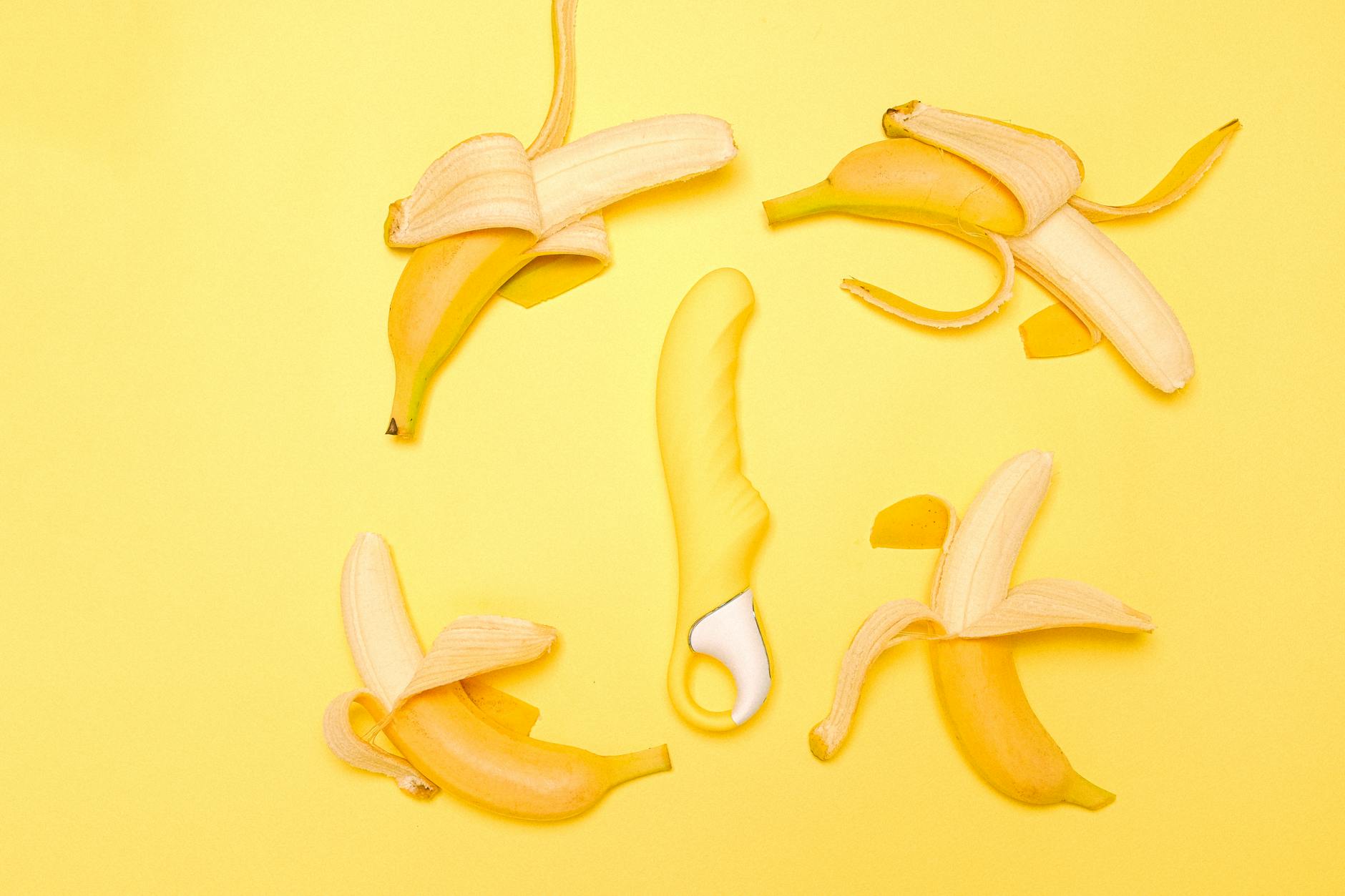
Photo by Vanessa Loring on Pexels
Start lower than you think you need to
A lemon vibrator has several intensity settings. When you're coming back after a break, start at setting one. Not because you're fragile, but because recalibration works better when you're not bracing against overstimulation.
Spend a few sessions here. Maybe three to five. The goal isn't orgasm yet. The goal is remembering what sensation feels like. Let your nervous system notice the buzz. Let your brain register pleasure without performance.
This is harder than it sounds because your mind will push for "proof" that you still work. Resist that. You work. You're just saying hello again.
Build anticipation instead of jumping in
When you've had time away, arousal doesn't just show up because you turned on a device. Your body needs a pathway back.
Try this: spend a few minutes touching yourself without the vibrator. Explore. Remind yourself what you like. Read something that lands for you. Look at whatever visually gets you there. Let your body warm up. This isn't foreplay. It's permission to want.
Then introduce the lemon vibrator. Start with it on your outer clitoris, away from the most sensitive spot. Let the suction feeling register. Clitoral suction is different from vibration. If you haven't used a lemon vibrator before, your body needs a moment to understand that the sensation isn't painful, it's just different.
Move slowly toward the center as you feel ready. There's no deadline. You get to decide when.
The mental piece is half the work
Maybe you feel guilt about needing to get back into this. Maybe you're worried your partner will judge you for needing a tool. Maybe you're frustrated at your own body.
All of those thoughts are real. And they matter. But they're also the thing that slows everything down.
I work with a lot of people rebuilding pleasure after gaps. The ones who recover fastest are the ones who stop narrating it as a problem. Instead, they treat it like what it is. A transition. You wouldn't expect to run five miles after six months off the road. You'd start with two miles and build. Your sexual response is the same.
Give yourself permission to take time. Give yourself permission to need a tool. Give yourself permission to discover that what worked before doesn't work now, and that's okay. Your body changes. Your preferences change. You're allowed to renegotiate what pleasure looks like.
Use the Lem's pattern variety to rebuild sensation
Once you've spent a few sessions at the lower settings, start playing with patterns. Most lemon vibrators, including Hello Nancy's Lemon, have multiple patterns. Each one tells your nervous system something different.
Some patterns are rhythmic. Others pulse. Some are constant. Spend time on each one. Notice which ones feel good. Notice which ones make you tense up.
Tension is information. If a pattern makes you tense, pause. You're not broken. Your nervous system is just saying that this particular rhythm doesn't match where you are right now. Try another pattern. Ease back in when you feel ready.
When to expect the "click back" moment
There will be a session, probably three to seven sessions in, where something shifts. The sensations start feeling less strange. The suction starts feeling good instead of just interesting. Your body remembers.
This isn't always a moment where you have an orgasm. Sometimes it is. But more often it's just the moment where pleasure stops feeling like a project and starts feeling like pleasure.
When that happens, you get to decide what comes next. You can keep going. You can stop and let your body integrate the shift. You can use it as permission to explore further next time.
There's no right answer. There's only what your body is asking for.
If sensation still feels off after a few weeks
Most people find their rhythm back within two to four weeks of gentle, consistent practice. But some don't. If you're still feeling numbness or if sensation feels actively painful, check in with a doctor. Sometimes medication changes, hormonal shifts, or pelvic floor tension can make returning to pleasure harder. A healthcare provider or pelvic floor physical therapist can help.
Also consider that your break might have revealed a preference shift. Maybe you want a different kind of toy now. Maybe you want to explore partnered pleasure instead of solo. Maybe you want to take another break. All of those are valid.
Your body gets to change its mind. That's not failure. That's information.
The permission piece, one more time
I mention this because it's the thing I see people skip. You're allowed to want pleasure. You're allowed to take breaks. You're allowed to come back slower than you expected. You're allowed to need tools like Hello Nancy's Lemon clitoral vibrator. You're allowed to discover that what worked five years ago doesn't work now.
Your pleasure isn't a luxury you have to earn. It's a part of you that gets quiet sometimes, and that you get to invite back when you're ready.
So start low. Be patient. Let your nervous system recalibrate. And be kind to yourself while you're doing it.
People also ask
How long does it usually take to feel pleasure again after a long break?
Most people feel a noticeable shift within two to three weeks of consistent practice. But "consistent" means maybe two to three times a week, not daily. Your nervous system needs time to integrate the sensation. Some people feel it faster. Some take longer. The timeline matters less than the direction. If you're feeling incremental shifts toward pleasure, you're on track.
Is it normal for sensation to feel too intense when you're starting again?
Completely normal. When you've been away from pleasure for a long time, your nervous system hasn't been calibrated to that level of sensation in a while. Start at the lowest setting on your lemon vibrator, focus on outer clitoral stimulation rather than direct pressure, and give your body time to adjust. Lower intensity now doesn't mean you'll need lower intensity forever.
What if I can't orgasm when I'm getting back into it?
Orgasm is not the goal here, even though your brain might push for it as proof that you "work." The goal is pleasure and reconnection. Spend a few sessions just exploring sensation without expecting an orgasm. When you release the pressure, orgasms often come back on their own. If they don't after several weeks, a healthcare provider can help figure out whether it's a medication issue, a hormonal shift, or something else.
Should I use lube when I'm returning to pleasure after a break?
Yes, always. Water-based lube helps reduce friction and makes the suction sensation of a lemon clitoral vibrator feel smoother. It also takes away the worry about whether your natural lubrication is "enough," which is a brain thing that actually gets in the way of arousal. Lube is permission. Use it.
Can I use a lemon vibrator if I'm coming back after medication changes?
Most of the time, yes. But some medications (like certain antidepressants) can numb sensation or make orgasm harder. If you just switched medications, consider giving your body two to three weeks to adjust before you start a pleasure practice. And if numbness persists after that time, talk to your prescriber. There are often alternatives that work just as well with fewer sexual side effects.
What if my partner doesn't know I'm doing this and I'm feeling guilty?
That guilt is coming from somewhere real. If you feel unsafe sharing this with a partner, that's a separate conversation worth having. But if it's just that you haven't found the right moment or words, consider that your solo pleasure and your partnered pleasure are different things. You don't owe anyone access to your solo practice. If you want to share it eventually, that's your choice. Start with what feels safe.
Moving forward
Returning to pleasure after a long break is less like flipping a switch and more like tending a garden. You water it gently. You give it time. You notice what grows. Some days nothing happens. Some days something unexpected blooms.
When you're ready to explore again, tools like Hello Nancy's Lemon can help you rediscover what feels good. But the real work is the patience. The permission. The willingness to come back slowly.
Your pleasure didn't leave. It just got quiet. And quiet things need a gentle hand to wake up.
If you're wondering whether this journey is worth your time, or whether your pleasure matters, reach out. We're here to help you figure out what comes next.