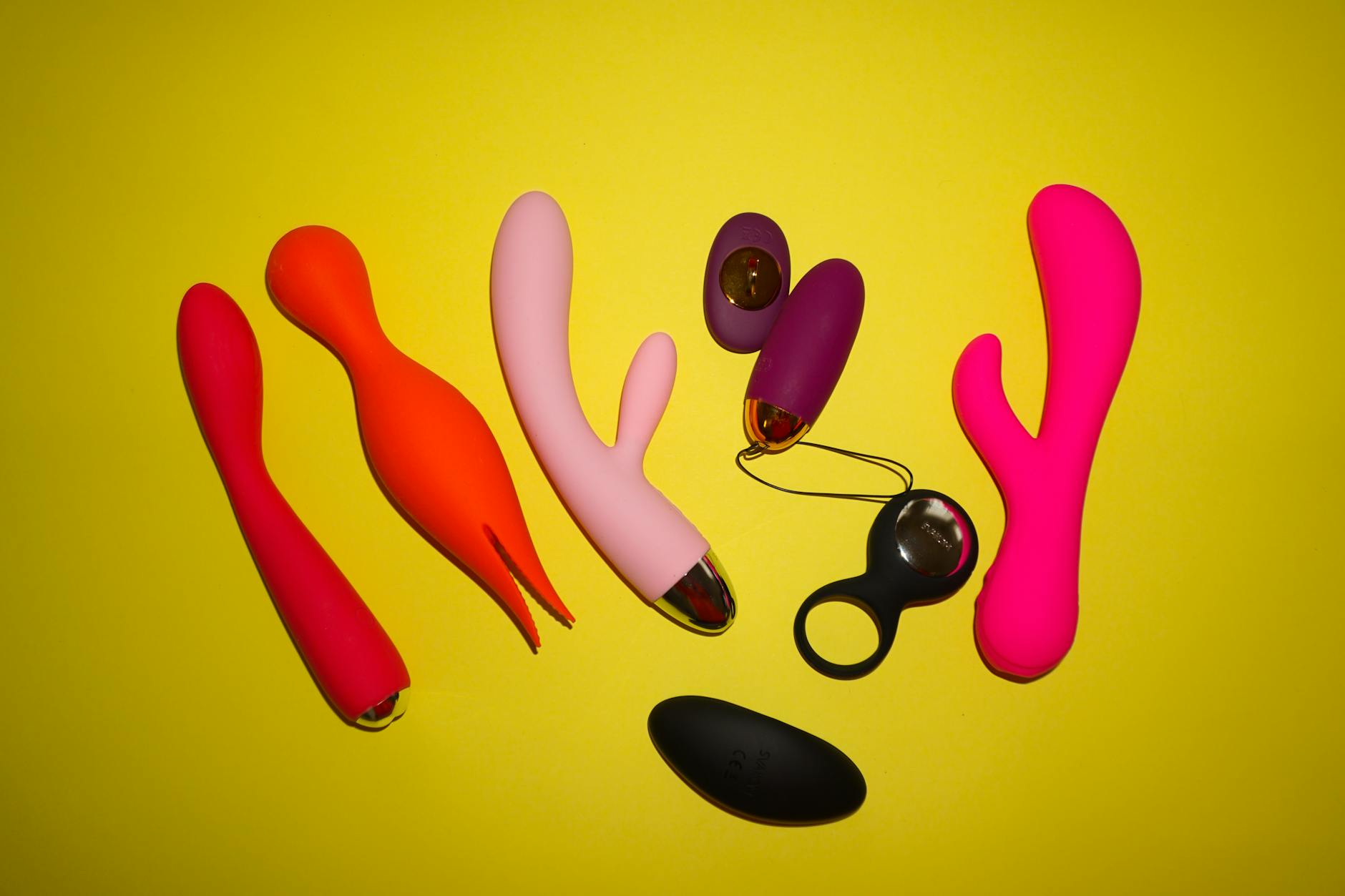
How to Use Lemon Vibrators When Recovery Takes Longer After Pelvic Floor Surgery
Pelvic floor procedures change what your body can handle and when. Here's what actually happens during healing, when it's safe to add a lemon clitoral vibrator back in, and how to do it without fear.
Your surgeon tells you when you can walk, drive, lift, and return to work. Nobody tells you when you can have an orgasm again. So you're left guessing, which means you either wait too long or start too soon. Both are terrible options.
Here's what I've heard from clients postoperatively: some wake up from pelvic floor surgery thinking they're fine, then experience sharp pain or bleeding when they try to use a lemon vibrator three weeks in. Others wait months, convinced they need to stay completely still, only to discover at their follow-up that gentle stimulation would have actually helped. The timeline is not one-size-fits-all, and your surgeon's "no intercourse for six weeks" is not a complete roadmap for pleasure.
The truth is that pelvic floor surgery (whether it's a repair, mesh removal, sling revision, or hysterectomy with pelvic floor work) reshapes the landscape of sensation and recovery. Using a clitoral vibrator again is possible, often good for healing, but it requires a different protocol than regular solo play. Let me walk you through what actually happens internally, when it's medically safe, and how to reintroduce sensation without setback.
During pelvic floor repair, your surgeon is working with soft tissue that's been damaged, weakened, or positioned incorrectly. They may be repairing a cystocele (bladder prolapse), rectocele (rectal bulge), or uterine prolapse. Some procedures involve synthetic mesh; others use biological material. Any of these creates swelling, scar formation, and temporarily altered nerve signaling.
For the first 2-4 weeks, the area is inflamed. Blood vessels are still healing. The pelvic floor muscles, which you can't consciously access much anyway, are stitched and immobilized. This is why any pressure, vibration, or friction feels wrong. Your nervous system is screaming warnings because it should be.
But here's what happens next: between weeks 4-8, swelling peaks and then starts to recede. Scar tissue begins forming (this is normal and necessary). Nerve endings, which were irritated, start to recalibrate. By week 6-8, for many people, gentle sensation actually feels tolerable. By week 10-12, it often feels good again. The timeline varies wildly based on procedure type, surgeon skill, and your personal healing genetics.
This is where you need your surgeon's input, not mine. But here's what I tell clients to ask:
At your post-op visit (usually 2 weeks), ask: "When can I use a personal massager for clitoral stimulation, and should I start with my hands first?"
Most surgeons will say one of three things. One: "Not until week 6 or later." Two: "By week 4, if you're not bleeding and you feel okay." Three: "Your incisions are internal, you can try by week 3, but go slow." The answer depends on the type of surgery. Mesh removal is often slower to clear than a simple rectocele repair. An external incision changes the timeline versus internal stitching only.
If you're experiencing any bleeding, discharge that smells foul, fever, or sharp pain at any point, you pause. That's non-negotiable. Clitoral vibrators, lemon or otherwise, can wait.
If you've gotten the green light from your surgeon and you're 4-6 weeks out, not bleeding, and not in constant discomfort, here's how to start.
Phase One (weeks 1-2 of clearance): Hands only, external only.
No vibrators yet. Just explore with your fingers what sensation feels like now. Light, circular touch around the clitoris. You're not trying to orgasm. You're gathering data. Does it hurt? Does it sting? Does it feel numb? Does it feel surprisingly good? Any of these is information.
Budget 5-10 minutes, once every 2-3 days. Not every day. You're signaling to your nervous system that this area is safe for gentle input, not flooding it.
Phase Two (week 3 of clearance): Introduce vibration at the lowest setting.
This is where you might use the Lem or another clitoral vibrator from Hello Nancy's Lemon, but only on pattern 1 (the gentlest, slowest pulse). Apply it for no more than 30-60 seconds at a time. If it feels sharp or raw, you're done. If it feels pleasant or even boring, you can try again in 2-3 days.
Many people find that the suction action of a lemon vibrator is actually gentler on post-surgical tissue than a traditional vibrator would be because it's distributing pressure more evenly, not creating direct mechanical friction.
Phase Three (week 4-6 of clearance): Gradual intensity increase.
Once pattern 1 feels comfortable, add pattern 2. Then pattern 3 a few days later. You're not rushing toward orgasm. You're giving your nervous system time to recognize each new input as safe before adding more.
If at any point you feel stinging, burning, or a sharp pulling sensation (different from typical pleasure sensation), you back off by one or two patterns and wait another week.
They may feel different for a while. This is normal and usually temporary.
Some clients report orgasms feel flatter initially, less intense or concentrated. This is partly because the pelvic floor muscles, which typically contract rhythmically during orgasm, are healing and not yet at full strength. It passes. Usually by 12 weeks post-op, the sensation is back to baseline. Sometimes it's even better because the surgery has actually improved pelvic floor tone.
Others experience orgasms that come on more slowly or require more direct, sustained stimulation than before. This is also typical. Your nervous system is rebuilding its connection to this area. A lemon clitoral vibrator is actually ideal for this because you can hold it in one position at a low intensity for longer without fatigue, unlike your hand.
Some people find that multiple orgasms are harder to achieve right after surgery. One is satisfying, but back-to-back multiples feel impossible. That normalizes too, usually within 8-12 weeks.
There's a difference between discomfort and pain. Discomfort is a mild ache, sensitivity, or strangeness. That's often fine to work through slowly. Pain is sharp, burning, or shooting. That's your signal to stop.
Bleeding during or after using a vibrator postoperatively is a red flag. Spotting, maybe a few drops, occasionally happens early on and can be normal. Actual bleeding means tissue is being disrupted and you need to wait longer.
Swelling that appears the day after or lasts for days after use means you've pushed too hard. Dial it back.
If you're using lemon vibrators (or any clitoral vibrator) and you notice your pelvic floor muscles tensing up involuntarily, that's actually not unusual in healing. Your pelvic floor may guard against input instinctively. If it's painful, stop. If it's just a protective tightness that releases after, you're probably fine.
This is the part people get sheepish about. You can use clitoral vibrators as part of partnered sex during recovery. In fact, it's often easier than partnered intercourse because there's no penetration, no pressure on the surgical site, and you're controlling the intensity entirely.
How to Use Lemon Vibrators When You Haven't Told Your Partner Yet is worth reading if you haven't already had that conversation. But specifically for recovery: your partner can hold the vibrator, you can direct speed and placement, and you maintain the power to pause.
Many couples find that post-surgical recovery is actually an opportunity to rebuild intimacy in a way that doesn't revolve around intercourse. Using a lemon clitoral vibrator together, with you in control, is a way to have physical connection and pleasure without straining newly healed tissue.
Pelvic floor surgery often arrives after years of pain or dysfunction. You've been waiting for relief. And it comes. But then the recovery timeline feels longer than expected. You want your body back. You want your pleasure back. That frustration is legitimate.
Some clients experience grief during recovery. Not depression, necessarily, but a real sense of loss as they realize their body works differently now, even if it works better. A clitoral vibrator from Hello Nancy's Lemon isn't going to fix that emotional piece, but reintroducing pleasure slowly, on your own terms, without forcing it, is often part of rebuilding trust in your body.
Take your time. Your pelvic floor has been through something. Your nervous system has too. Gentleness is not weakness. It's wisdom.
Most surgeons clear external clitoral stimulation by week 4-6, assuming you're healing normally with no complications. Internal vibration or penetration typically requires waiting 6-8 weeks. Always confirm with your specific surgeon because the timeline depends on the type of procedure. If you've had a hysterectomy with pelvic floor repair, you might need to wait longer than someone who had just a sling revision.
Yes. Applying vibration to tissue that's still actively swelling and stitching can disrupt the healing process, cause bleeding, and delay recovery by weeks. This is why the phased approach matters. Starting at the absolute lowest intensity for 30-60 seconds and waiting several days before increasing is not overkill; it's protective.
Stop immediately and wait at least another week before trying again. Pain is your nervous system saying the tissue isn't ready. Sharp, burning, or stinging pain in particular means there's inflammation or irritation that needs more time to resolve. Reach out to your surgeon if pain persists or worsens.
Orgasms themselves don't harm healing pelvic floor tissue if you're cleared for clitoral stimulation. However, the first few orgasms post-op may feel less intense, take longer to build, or feel different in other ways. That doesn't mean you should avoid them; it means your body is recalibrating. If an orgasm causes pain or bleeding, you've gone too far and need to dial back.
Completely normal. Your pelvic floor muscles are healing and not yet at full strength, so the rhythmic contractions that typically amplify orgasm are muted. Additionally, scar tissue and nerve recalibration can change sensation temporarily. This usually resolves by 12 weeks post-op as muscles regain tone and nerves adapt.
Absolutely, especially if your post-surgical discharge has been heavy or if you notice any dryness. A water-based lubricant reduces friction and makes the sensation gentler on healing tissue. It also helps a suction-based vibrator like the Lem seal more effectively without creating harsh suction. Apply a small amount to the vibrator or your skin before each session.
Pelvic floor surgery is an intervention. It's often necessary and helpful. But it reshapes your relationship with sensation temporarily. Using a lemon vibrator again is not rushing into something you're not ready for; it's a way to rebuild the conversation between your nervous system and your pleasure. Start low, go slow, and trust that your body knows how to heal. If you have questions that go beyond this framework, reach out to your surgeon or consider working with a pelvic floor physical therapist. You deserve support that matches your specific surgical situation. If you'd like to talk through your recovery timeline in more depth, we're here at /contact.