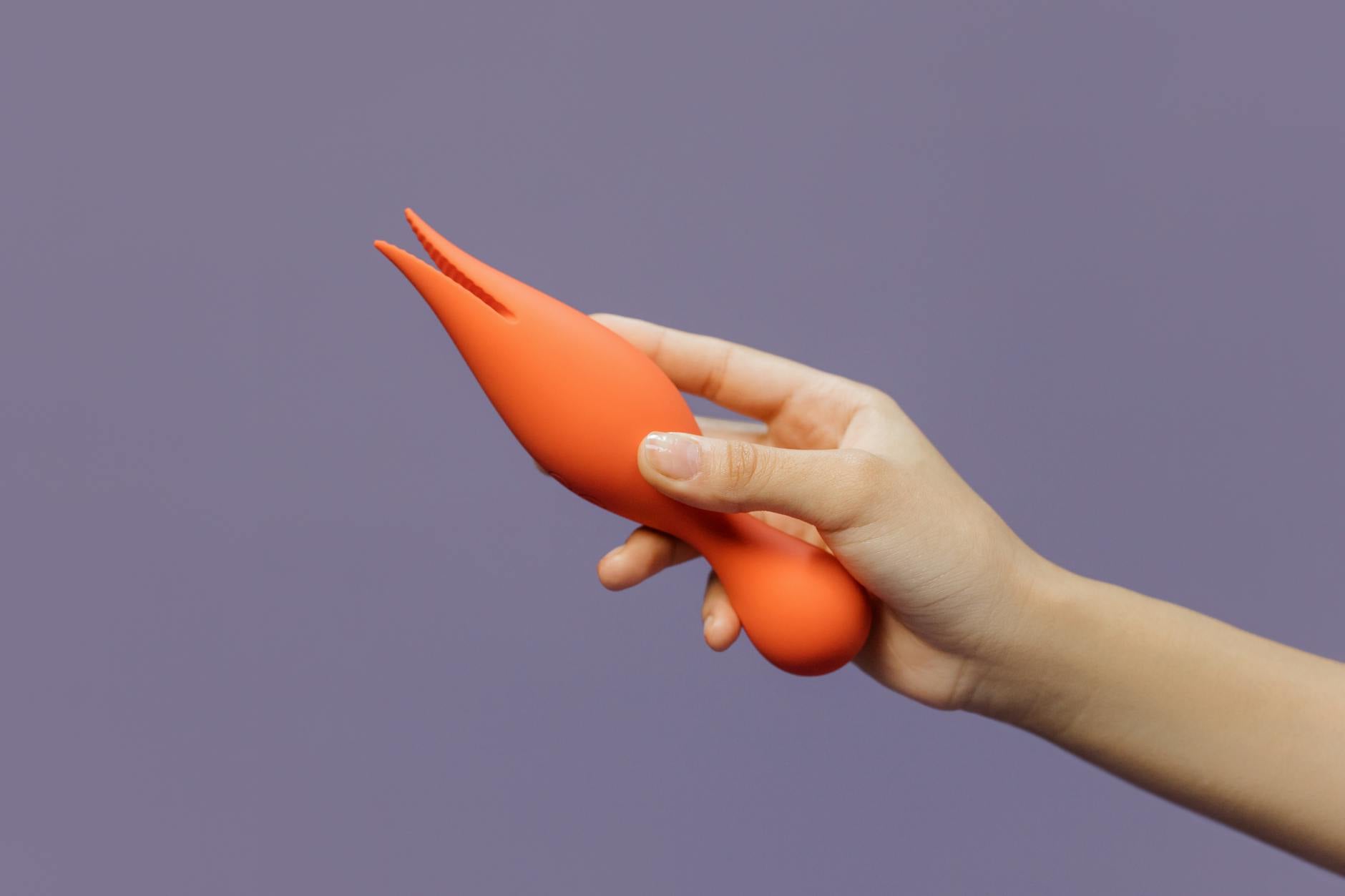
Let's talk about the trade-off nobody prepares you for
Antidepressants work. They genuinely do. They lift the fog, they stabilize mood, they make mornings manageable again. But somewhere between the relief and the stability, a lot of people notice that arousal has gone quiet. Or numb. Or both. Your body just doesn't respond the way it used to—not because something's wrong with you, but because SSRIs and other antidepressants literally change how your nervous system processes sensation and pleasure.
Here's what I hear in my practice: "I want to feel something again. I'm not broken. My medication saved my life. But I miss sex. I miss wanting it." That's not melodrama. That's a real, documented side effect that affects somewhere between 40 and 60 percent of people taking SSRIs. And it's fixable. Lemon clitoral vibrators—specifically their suction mechanism—work around this numbness in a way traditional vibrators often don't.
This isn't a choice between your mental health and your sex life. It's about finding the right tools to have both.
Why antidepressants flatten arousal in the first place
SSRIs work by keeping serotonin lingering in your synapses longer. That's brilliant for mood regulation. But serotonin also suppresses dopamine pathways, and dopamine is one of the main drivers of sexual motivation and physical sensation. Your brain isn't broken. It's just prioritizing emotional stability over arousal. That's the mechanism.
On top of that, some antidepressants slow blood flow to the genital tissue, which means less engorgement and less responsiveness. Others increase prolactin, a hormone that actually dampens sexual desire. So it's not just psychological. Your physiology is genuinely muffled.
The result: orgasms take longer (or don't happen at all), sensation feels distant, and the entire arc of arousal feels like you're moving through water. You're not depressed about sex anymore—that's the win. But you're also not feeling much of anything when you try.
Why lemon vibrators work differently than traditional vibrators
Most vibrators work through direct vibration: they buzz at your clitoris. That's a tactile sensation, and when your medication has dulled tactile input, a regular vibrator often just feels like a numb buzzing. You're waiting to feel something that isn't coming.
Lemon clitoral vibrators use air-suction technology. Instead of vibration alone, they create a gentle pulsing vacuum around the clitoris. This works through a different sensory pathway—one that's often less affected by the numbness caused by antidepressants. It's not about intensity. It's about using the right type of stimulation for a muffled nervous system.
The suction also draws blood into the tissue, which counteracts the reduced blood flow that the medication can cause. You're not just getting sensation. You're also priming your body to respond.
Getting started: the setup that matters
First, time. Don't try this when you're rushed. Antidepressant-related numbness means arousal takes longer—often 20 to 30 minutes instead of 5 to 10. That's not a flaw. That's just your timeline right now. Budget for it. If you're trying to squeeze in five minutes before work, you're setting yourself up to feel nothing and feel frustrated.
Second, privacy and permission. The pressure to "perform" or reach orgasm on a deadline will kill what fragile arousal you're building. You need a space where it's genuinely okay if nothing happens. You're not failing. You're recalibrating.
Third, a good lubricant. Water-based is your friend here. It reduces friction without adding resistance, which matters when sensation is already muted. Apply it generously. Slickness helps suction technology work better.
Fourth, start with your lemon vibrator on the lowest setting. Numbness doesn't mean you need more intensity. It means your nervous system needs to be invited slowly back to sensation. Lower settings allow you to notice small changes in feeling rather than blasting through the numbness.
The technique that works around medication side effects
Honestly though, the technique is less important than your attention. Most people don't fail at reaching orgasm on antidepressants because they're doing it "wrong." They fail because they're trying to replicate their pre-medication experience, and that's impossible right now.
Instead, try this: Start with the lemon vibrator on pattern 1 or 2. Hold it against your clitoris and just notice what you're feeling. Not "am I getting close to an orgasm?" but "what texture, rhythm, or pressure am I sensing right now?" That shift from goal-oriented to sensation-focused is half the battle.
Move the vibrator slowly across the area. Sometimes the edge of the clitoral hood is more responsive than the tip. Sometimes the side feels like more. You're not hunting for an orgasm. You're hunting for sensation. That's the job.
Stay with one pattern or rhythm for at least five to ten minutes before changing it. Your nervous system needs time to wake up. Switching constantly just resets the clock.
When to talk to your prescriber
If you've been using a lemon clitoral vibrator for several weeks and you're still not reaching orgasm or desire feels completely absent, it's worth a conversation with your psychiatrist or GP. Not to guilt you into stopping the medication—arousal matters, but mental stability matters more. But sometimes switching to a different SSRI or adjusting the timing of your dose can help.
Some people find that taking their medication at night instead of morning helps. Some people benefit from a medication that has fewer sexual side effects (bupropion, for example, often doesn't suppress arousal the way SSRIs do). Some people add a second medication temporarily to counteract the sexual side effects. These are real clinical options, and they're worth exploring if numbness is significantly affecting your quality of life.
The pleasure recovery timeline
This doesn't happen overnight. Most of my clients who've gone through this process tell me that the first orgasm after months of numbness is weird. Not bad—weird. It feels unfamiliar, like your body's speaking a language you almost forgot. That's normal.
Over the course of weeks, sensation builds. The time it takes to orgasm shortens. Desire starts whispering instead of staying silent. And usually somewhere around six to twelve weeks of regular exploration, things feel closer to baseline. Not identical to pre-medication, but functional and genuinely pleasurable.
If you're in that numbness window right now, the point isn't to force an orgasm. The point is to remind your body that sensation is still possible. Lemon sexual toys—specifically the lemon sucker mechanism—give you a way to do that when other tools don't work.
A note on desire versus response
One more thing: antidepressants can also suppress desire itself, not just physical response. You might not want sex at all, even though your body would be capable of responding. That's different and deserves a different conversation with your doctor. But if desire is there and you're just numb, the lemon clitoral vibrator is a solid bridge back.
You deserve to feel pleasure again. Your mental health isn't the enemy. But you also don't have to accept numbness as the price of stability. With the right tool and the right expectations, you can have both.
FAQ: Antidepressants and Pleasure Recovery
Can I use a lemon vibrator safely while on antidepressants?
Completely safe. There's no interaction between antidepressants and silicone sex toys or the lemon suction mechanism. The only caution is psychological: if you're using it as a way to pressure yourself into "performing" or reaching orgasm on a timeline, that pressure will work against you. Use it as a tool for sensation, not as proof that you should be "working" better. The goal is reconnecting with pleasure, not proving you're fixed.
How long does it typically take to feel sensation again?
That varies wildly. Some people notice a shift within a few weeks. Others take two or three months. It depends on your medication, your dose, how long you've been on it, and how your individual nervous system processes the antidepressant. Patience isn't romantic. It's just the reality. If you're not feeling anything after eight weeks of regular exploration, bring it up with your prescriber.
Should I switch off my antidepressant to get my sex drive back?
No. Please don't. The side effects often settle after a few months anyway, and stopping your medication usually makes the original depression or anxiety come roaring back—along with the sexual dysfunction that sometimes comes with that depression. A conversation with your doctor about adjusting your dose or trying a different medication is worth having. Stopping it isn't.
Does the lemon clitoral vibrator work better than other brands or types?
Lemon clitoral vibrators use suction technology, which engages a different sensory pathway than traditional vibration. For antidepressant-related numbness specifically, suction often works better because it doesn't rely as heavily on direct tactile sensation. That said, your body is unique. Some people respond to suction immediately. Others need to layer it with other techniques or types of stimulation. The point is to experiment without judgment.
Can I use a lemon vibrator with my partner, or does this need to be solo?
Either, honestly. Some people find that solo exploration helps them reconnect with sensation without performance pressure. Others find that having a partner present—even just in the room, not necessarily touching—helps them feel less alone in the process. Some people discover that partnered use, once they've gotten comfortable with solo exploration, helps rebuild intimacy. The variable isn't the toy. It's what feels safe and pressure-free for you.
If sensation comes back, does desire usually follow?
Often, yes—but not always in a straight line. Sometimes sensation returns first, and desire follows over weeks. Sometimes they build in parallel. And sometimes desire stays quiet even as physical response improves. If desire doesn't return, that's a separate conversation to have with your doctor. But most people find that reconnecting with physical pleasure does slowly rebuild the mental and emotional desire that the medication initially suppressed.