When connection goes quiet
Let's be real: a sexless phase in a long-term relationship doesn't mean the relationship is dead. It usually means something else is. Work stress, parenting, unresolved arguments, body image shifts, medication side effects, grief. The sex stopped because something upstream broke, and now both partners are stuck in silence about it.
Here's what I've seen in therapy a thousand times. One person (often the person with a vulva) pulls back from sex because intimacy has become performative or painful. The other person interprets this as rejection and withdraws emotionally. Six months later, they're barely touching. The longer the silence lasts, the harder it feels to break.
A lemon vibrator is not a fix for the relationship itself. But it can be a tool for restarting your own pleasure, which is often the first domino that needs to fall.
Why solo pleasure matters when you're in a sexless phase
When sex with a partner has paused, many people also stop touching themselves. This is the worst possible move. Here's why: orgasm is a neural reset. It lowers cortisol, increases oxytocin, and literally reminds your brain that pleasure is possible. When you stop having orgasms, your body forgets that sensation can feel good. Your nervous system gets stuck in a lower gear.
Using a lemon clitoral vibrator on your own during a sexless phase does three critical things. First, it reconnects you to your own body. Second, it reminds you that desire and pleasure are independent of your relationship status. Third, it often sparks the emotional safety to eventually re-initiate with a partner, because you're no longer desperate for them to fix how you feel.
I tell my clients: you can't negotiate your way back into intimacy. But you can pleasure your way there.
Starting solo when you've been disconnected for months
If it's been a long time since you had an orgasm, jumping straight into a vibrator can feel overwhelming. Your body might feel numb. Your mind might feel guilty.
Begin low-pressure. Set aside 15 minutes when you won't be interrupted. No goal of finishing. No expectation of anything beyond gentle exploration. If you have a lemon vibrator already, use it at the lowest intensity setting. If you don't, this is the moment to get one. The design of a Hello Nancy lemon clitoral vibrator is specifically made for this. The suction-based stimulation doesn't require the kind of intense, repetitive friction that can feel too much when you're rebuilding connection to your body. Start with pattern 1 or 2. Spend three to five minutes just getting used to the sensation.
You might not orgasm the first time. That's fine. The goal is information, not outcome. What sensations feel good? What pressure level is comfortable? Do you prefer rhythm or steady suction? These answers matter because they'll help you eventually communicate with a partner.
The conversation you need to have with yourself first
Before you consider bringing a lemon vibrator into partnered sex, you need to ask yourself some hard questions. Is the sexless phase happening because you're angry, exhausted, or emotionally distant? Because if it is, a vibrator is not the next step. A conversation with your partner (or a couple's therapist) is.
If the sexless phase is happening because you're scared of vulnerability, don't trust your body anymore, or you're not sure what you want sexually anymore, that's different. In that case, solo vibrator time is exactly the right intermediate step. It gives you data about yourself before you try to navigate someone else's needs.
Here's the question I ask in session: "If you had an orgasm tomorrow, would the underlying problem between you and your partner get better?" If the answer is no, the vibrator is harm reduction, not a solution. But harm reduction still matters. You deserve to feel your own pleasure again.
When and how to introduce the idea to a partner
If you've been using a lemon vibrator solo for a few weeks and you're starting to feel reconnected to your body, the next step is deciding whether to involve your partner. This requires a frame shift from the conversation that created the sexless phase in the first place.
Don't lead with the vibrator. Lead with desire. The conversation should sound like: "I've been thinking about us. I miss you. I've been working on reconnecting with myself, and I'd like to try something together if you're open to it." That's vulnerable and clear without blame.
If your partner says yes, the first experience should be low-stakes. This might mean you use the lemon vibrator solo while they're present, touching you elsewhere. Or it might mean they watch while you explore what feels good. The goal is letting them see that you can have pleasure, that your body can respond, that sex isn't a duty. This often unfreezes their own desire.
Many couples I've worked with find that watching a partner use a clitoral vibrator reignites their attraction in ways partnered sex hasn't in years. Desire is contagious when it's authentic. Your pleasure is not threatening to them. It's actually incredibly hot.
Navigating the emotions that come up
When you restart solo pleasure after months without it, expect unexpected feelings. Sadness. Guilt. Grief for the intimacy that's missing. Sometimes even shame, which is deeply unfair but extremely common.
This is normal. Your body and nervous system are waking up, and waking up involves processing what's been offline. Let it happen. If you cry while using your lemon vibrator, that's information. If you feel angry, that's also information.
The vibrator isn't magical. It's just a tool that frees up your nervous system enough to access feelings you've been holding back. That's valuable even when the feelings are uncomfortable.
If your partner resists or refuses
Some partners have complicated feelings about vibrators. They interpret them as competition, as proof that partnered sex isn't enough, as evidence that you're stepping outside the relationship.
Here's what I tell my clients to say: "This isn't about you. This is about me reconnecting with my own pleasure so I can be more present with you. My orgasms aren't a resource you lose if I use a vibrator. I can have both."
If your partner still refuses to accept vibrator use, even solo and private, that's a deeper relationship issue that needs proper therapy. I won't sugarcoat it. A partner who controls your access to your own pleasure is showing you important information about power dynamics in the relationship.
For now, though, you have a choice. Use your lemon vibrator in private. Your pleasure is not something that requires permission.
The timeline for reconnecting with your partner
There's no exact timeline. Some couples reconnect sexually in weeks. Others take months. The important variable isn't the vibrator. It's whether both people are willing to do the emotional work underneath the sexlessness.
What I typically see: after four to six weeks of solo vibrator use, people feel emotionally different. Calmer. More resourced. More interested in connection. That shift alone changes the relationship dynamic. When you're not desperate for your partner to fix you, you can actually see them again. And when you can see them, sex becomes possible.
For more on rebuilding intimacy in long-term relationships, see our guide on why lemon vibrators feel different in longer-term relationships.
What happens after you reconnect
Some couples find that a lemon vibrator becomes a regular part of partnered sex. Others do the work to reconnect and then set the vibrator aside. Both are totally valid.
What matters is that you've proven to yourself that your pleasure didn't disappear. It was just offline for a while. And now you know how to find it again.

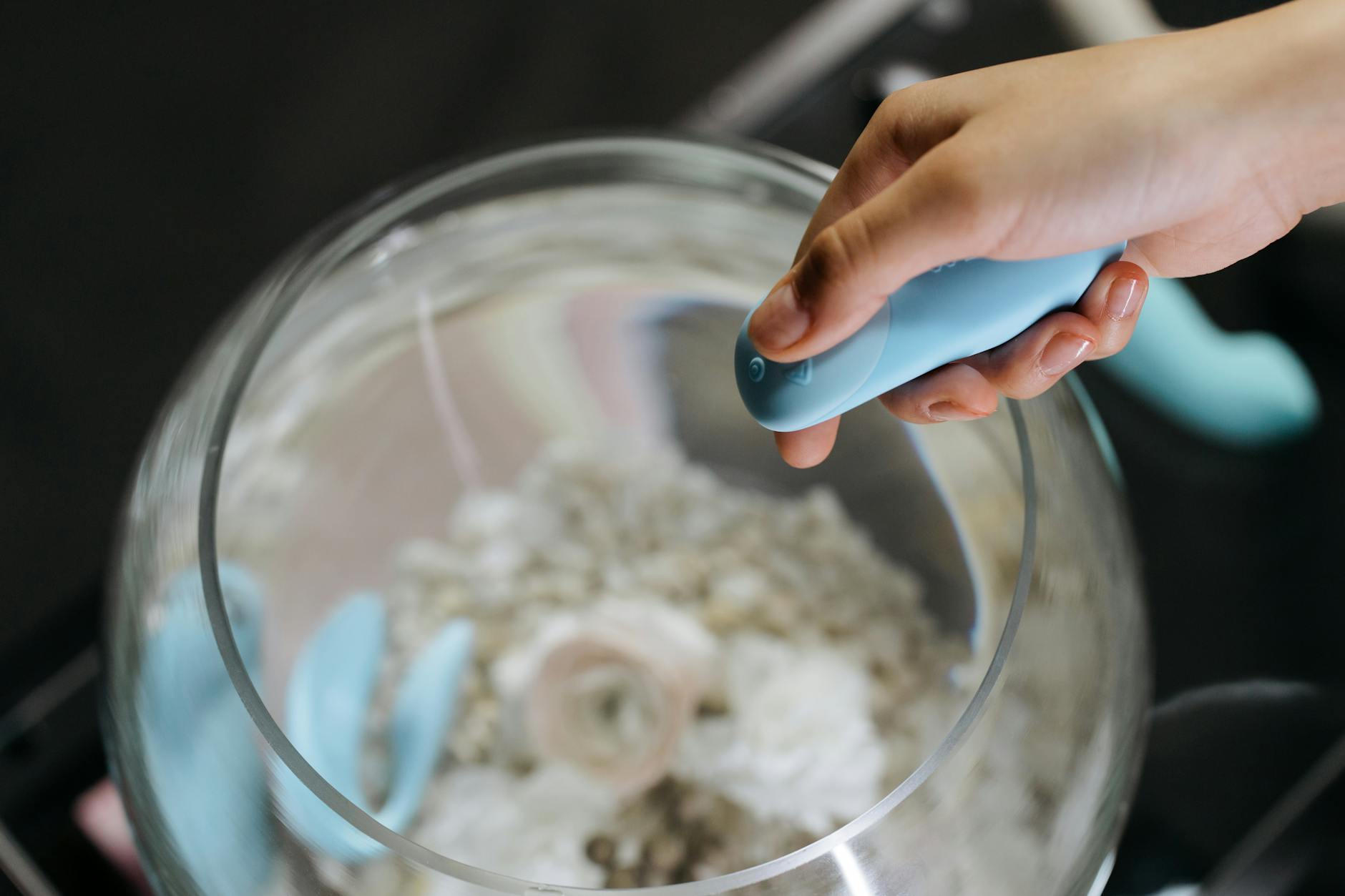
Photo by Anna Shvets on Pexels
People also ask
Can using a vibrator alone actually help save a sexless relationship?
Not on its own, no. But it can unblock the first step, which is rebuilding your own capacity for pleasure and presence. Once you remember that your body can feel good, the conversation with your partner becomes different. You're not negotiating from desperation anymore. You're coming back online. That shift in energy often helps couples reconnect. The vibrator is the entry point, not the solution.
How often should I use a lemon clitoral vibrator if I'm trying to rebuild desire?
Start with two to three times per week if possible, but even once a week is valuable. The goal isn't frequency. It's consistency. Your nervous system needs regular signals that pleasure is available. Once you're having solo orgasms regularly again, you might find partnered sex becomes possible without trying.
Is it okay to keep using my vibrator secretly if my partner doesn't like it?
Yes. Your orgasms are not something that requires consent from someone else. That said, if your partner's disapproval is rooted in something reasonable (like feeling disconnected from you), that's worth exploring in couples therapy. If it's rooted in control, you have a larger relationship problem on your hands.
What if I use my vibrator and still don't want sex with my partner?
That's valuable data. Sometimes the sexless phase exists because the emotional connection is broken. Sometimes it's because you've discovered you're not actually compatible anymore. Reconnecting to your own pleasure might help you see things more clearly, and sometimes that clarity is that you need to leave. That's not a failure. That's wisdom.
Should I tell my partner what patterns and intensity I like on my lemon vibrator?
Eventually, yes. If you want to involve them. Once you know what you like, sharing that information removes the guesswork from partnered sex. You're giving them a roadmap of your pleasure. That's generous and hot. But you don't have to share that until you feel ready.
How long before the sexless phase typically ends after starting vibrator use?
It varies wildly based on what caused the pause in the first place. If it was stress and disconnection, four to eight weeks of solo pleasure work often shifts things. If there's deeper conflict or trauma, it'll take longer. Some relationships need actual therapy to restart. The vibrator is one tool, not the only tool.
Moving forward
A sexless phase feels like the end of something. Usually it's actually the middle of something. You're in the part of the story where the characters have stopped talking, and things look dark. But you're also at the moment where reconnection becomes possible, if both people want it.
Using a lemon vibrator during this time isn't giving up on your partner. It's choosing to stay connected to yourself while you figure out what comes next. That's brave work. Your pleasure matters, whether your relationship survives this phase or not.