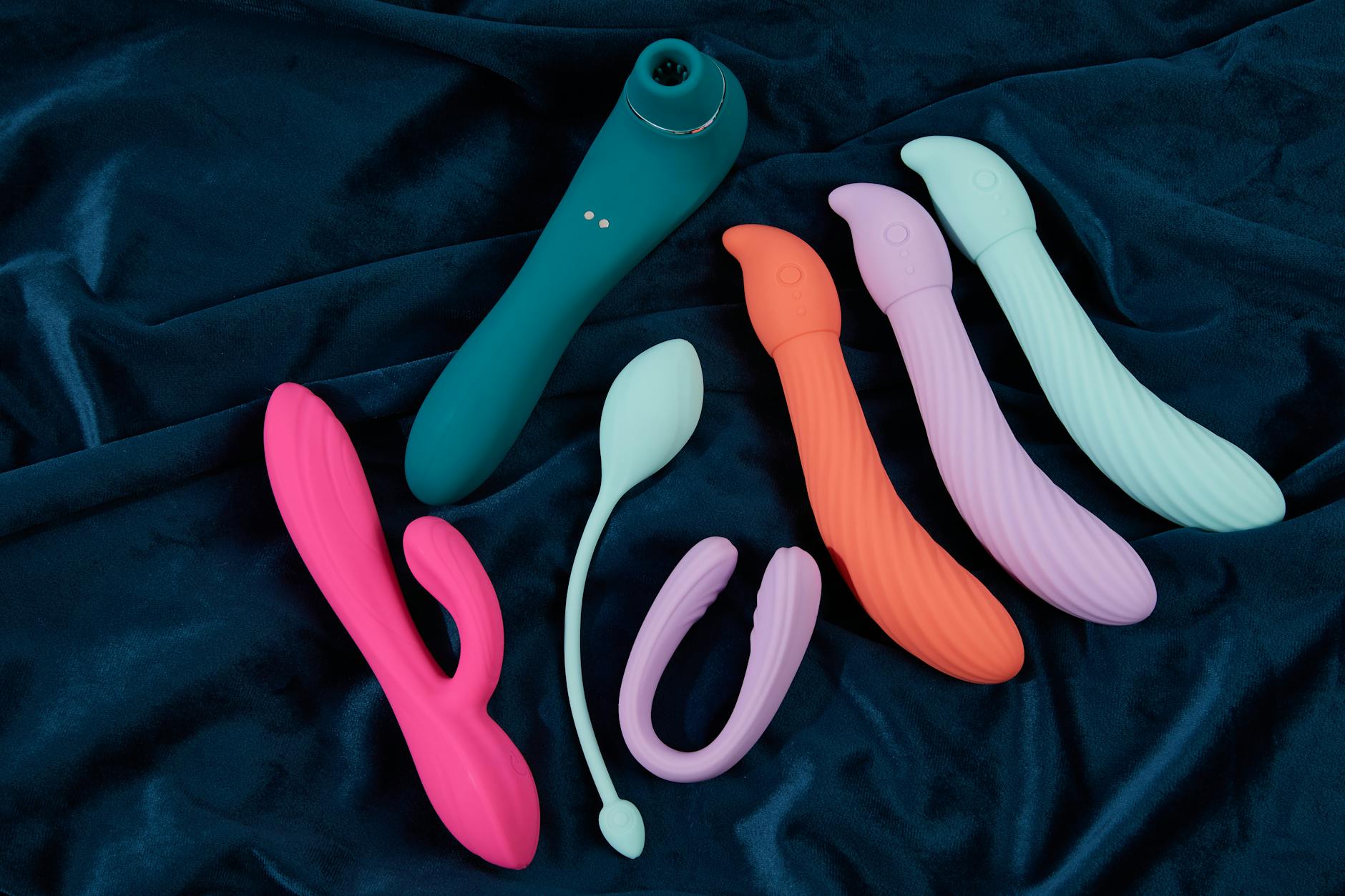
Let's be real about the stakes
Introducing a lemon vibrator or any adult toy early in dating feels risky because it is. You're revealing something intimate about how you pleasure yourself, and you're asking someone new to join you in it. That vulnerability opens a door to rejection, judgment, or awkwardness. But here's what I've seen in my practice with hundreds of couples: the conversation almost always goes better than you imagine, and avoiding it entirely creates much bigger problems down the line.
The couples who integrate pleasure tools early, with honesty and zero shame, report higher sexual satisfaction and deeper trust after six months than those who hide it and reveal it later (when resentment has built up). This is not accidental. Vulnerability builds connection. Secrecy builds distance.
Why you should bring it up sooner rather than later
Timing matters more than you think. The research on relationship disclosure is pretty clear: small, consistent acts of vulnerability early on create safety. One big reveal after three months of hiding creates panic.
Introduce the idea of a lemon clitoral vibrator or other pleasure tools after you've established comfort and basic sexual intimacy, but well before you're in deep. That's usually the 4-to-8-week window. Not "we just met at a bar," but also not "we're picking out furniture together."
Why this timing? Three reasons. First, early enough that they haven't built a false sense of who you are sexually. Second, late enough that basic attraction and chemistry already exist. Third, early enough that they haven't invested so much emotional energy that a "no" feels like a relationship threat.
There's also a practical reason: you want to know early if this person is judgmental about your pleasure. That's useful information. If someone reacts poorly to the idea of a vibrator, that tells you something true about how they'll handle other vulnerable conversations down the line.
The language that actually works
Forget clinical. Forget joking it off. Forget the indirect approach ("have you ever thought about..."). None of those work.
Here's what I recommend: direct, casual, and in the context of something else.
The setup: You're already being intimate. You're in a moment of trust. Then you say something like: "I want to tell you something about what gets me off. I use a vibrator. It's part of how I know my own body and what I like. I'd love it if you wanted to use it with me sometime. If that's not your thing, that's totally fine. I just wanted you to know."
Notice what's happening there. You're not asking permission. You're not framing it as a test. You're naming it as a tool you already use, offering an invitation, and leaving room for them to say no without drama.
What not to do: Don't say "I have a confession." Don't lead with "This might be weird." Don't ask "Would you be okay if I..." Those framings signal shame, and shame is contagious. The moment you communicate that something about your pleasure is shameful, they'll feel permission to judge it.
Tone is everything. Say it the way you'd mention that you prefer coffee to tea. Calm. Factual. Unbothered. Your nervous system sets theirs. If you're terrified, they'll be defensive. If you're matter-of-fact, they'll likely match that.
The conversation after they respond
Most people will say yes, or "maybe," or ask questions. A smaller number will freeze or say no. Here's how to handle each.
If they say yes or seem curious: Great. Tell them about what you like. Show them the vibrator if you want, or keep it private. The key here is answering their questions without over-explaining. "Why do you like it?" gets "It feels amazing on my clitoris." Not a TED talk about clitoral sensitivity. Short, direct, sexy.
If they get quiet or seem uncomfortable: Don't panic. Sit with it. Let them have a moment. Then say something like, "What's coming up for you?" Often what they're sitting with has nothing to do with you. Maybe they feel insecure that they don't "do it" for you. Maybe they're worried they won't know how to use it. Maybe they're processing something from their own past. Ask, and actually listen to the answer.
If they say no: This is worth taking seriously. Ask why. "It's just not for me" is different from "I think women who use those things are desperate." One is a preference. The other is a values mismatch. You need to know which one you're dealing with.
If it's a preference, you can say something like: "I get it. No pressure. I'll keep using mine, and if you ever change your mind, I'm open to it." Then you move on. You keep using your vibrator. Nothing changes except they now know.
If it's a values thing (judgment, insecurity masquerading as preference), that's information you need to decide whether this person is right for you long-term.
What to do if they react poorly
Some people will respond badly. They might get defensive, make a joke, pull away, or say something hurtful. I've seen all of it.
First: their reaction is not about you being wrong to want pleasure. It's about them. Usually it's about insecurity, shame they absorbed from their own past, or a relationship belief that doesn't serve them.
Second: you have choices. You can have a longer conversation about what's driving their reaction. "I'm noticing you seemed upset. Help me understand." You can set a boundary. "I need you to know that my pleasure matters to me, and I'm not going to apologize for that." Or you can decide that this relationship isn't worth the emotional labor of rehabilitating their relationship to sexuality, and you move on.
All three are legitimate.
What not to do: Don't hide the vibrator to keep the peace. Don't pretend you don't care about their judgment. Don't say "Never mind, forget I mentioned it." That teaches them that your pleasure is negotiable. It also teaches them that when you're vulnerable, they can make you regret it. That dynamic grows. It doesn't shrink.
After the conversation: what actually happens
Let's say it went well. Now what?
Don't immediately make the vibrator the star of the show. You don't need to use it every time you're together. In fact, mixing it up is better. Sometimes with the vibrator, sometimes without. Sometimes they use it on you, sometimes you do. This keeps things feeling integrated rather than like a "special toy" situation.
One note: if you're introducing a lemon clitoral vibrator or another suction-based toy, tell them what to expect. The sensation is different from traditional vibration. It might feel intense at first. Your body might need time to warm up to it. All of that is normal and not a sign anything is wrong.
Also, clean the toy after use, store it somewhere private, and treat it the way you'd treat any other part of your sex life. With respect and care.
The bigger picture
What you're really doing when you introduce a vibrator early is teaching someone that you're a full person with your own pleasure, your own needs, and your own agency. You're saying: "I know myself. I honor my body. I'm going to do that with or without you, but I'd like you to be part of it."
That's not a small thing. That's the foundation of a relationship where you don't disappear into someone else's idea of who you should be. The person who can handle that introduction, who's curious instead of threatened, who gets that your pleasure expanding doesn't shrink theirs? That's someone worth keeping around.
People also ask
What if we haven't had sex yet but we're close?
Introduce it before you're both naked and in the moment. Bringing it up mid-foreplay when someone's defenses are down feels ambush-y. Have the conversation when you're both clothed and can actually think. Then, if you both want to, you can integrate it into your next intimate time.
How do I know if they're actually okay with it or just saying yes to appease me?
Pay attention to their body language. Are they asking questions? Making eye contact? Or are they stiff, short-answering, looking away? If it's the latter, you can say, "You seem uncomfortable. Are you sure you're actually okay with this?" Sometimes people need permission to say no. Give it to them.
What if they want to use it on me but I'm not comfortable with that yet?
You don't have to do anything you're not ready for. "I want to start by using it on myself with you here. Maybe we can explore you using it on me later." You set the pace. Full stop.
Should I let them know I've used lemon vibrators with previous partners?
Only if it comes up naturally or if they ask. The point is not to catalog your sexual history. The point is to normalize vibrators in this relationship. You don't need to add context about past lovers unless that context actually matters to the conversation.
What if they want to buy me a vibrator instead of using the one I have?
That's actually kind of sweet. You can let them, or you can say, "I love that you're thinking about this. I already have one I really like. If you want to explore together, we could try that." The gesture matters more than the product.
Can I introduce a vibrator if I'm not actually sure I want to use it with them?
Wait. If you're not genuinely interested in sharing this part of yourself with them, the conversation gets weird and transactional. Only bring this up if it's actually something you want to do. The whole point is authentic vulnerability, not manipulation.
Your pleasure deserves a partner who gets it. And the fastest way to find out if someone is that person is to tell them what you actually want. Everything else is just performing.
What comes next
You've had the conversation. It went reasonably well. Now the real work starts: actually being a couple where pleasure is something you talk about, explore together, and normalize. That's not always easy, especially if you grew up with shame around sex. But it's worth it.
If you're navigating bigger relationship dynamics around intimacy and vulnerability, or if the conversation went sideways and you're not sure how to repair it, reach out. That's what I'm here for.
Get in touch with Hello Nancy if you want to talk through how to have harder conversations with your partner or rebuild trust after something didn't go as planned.