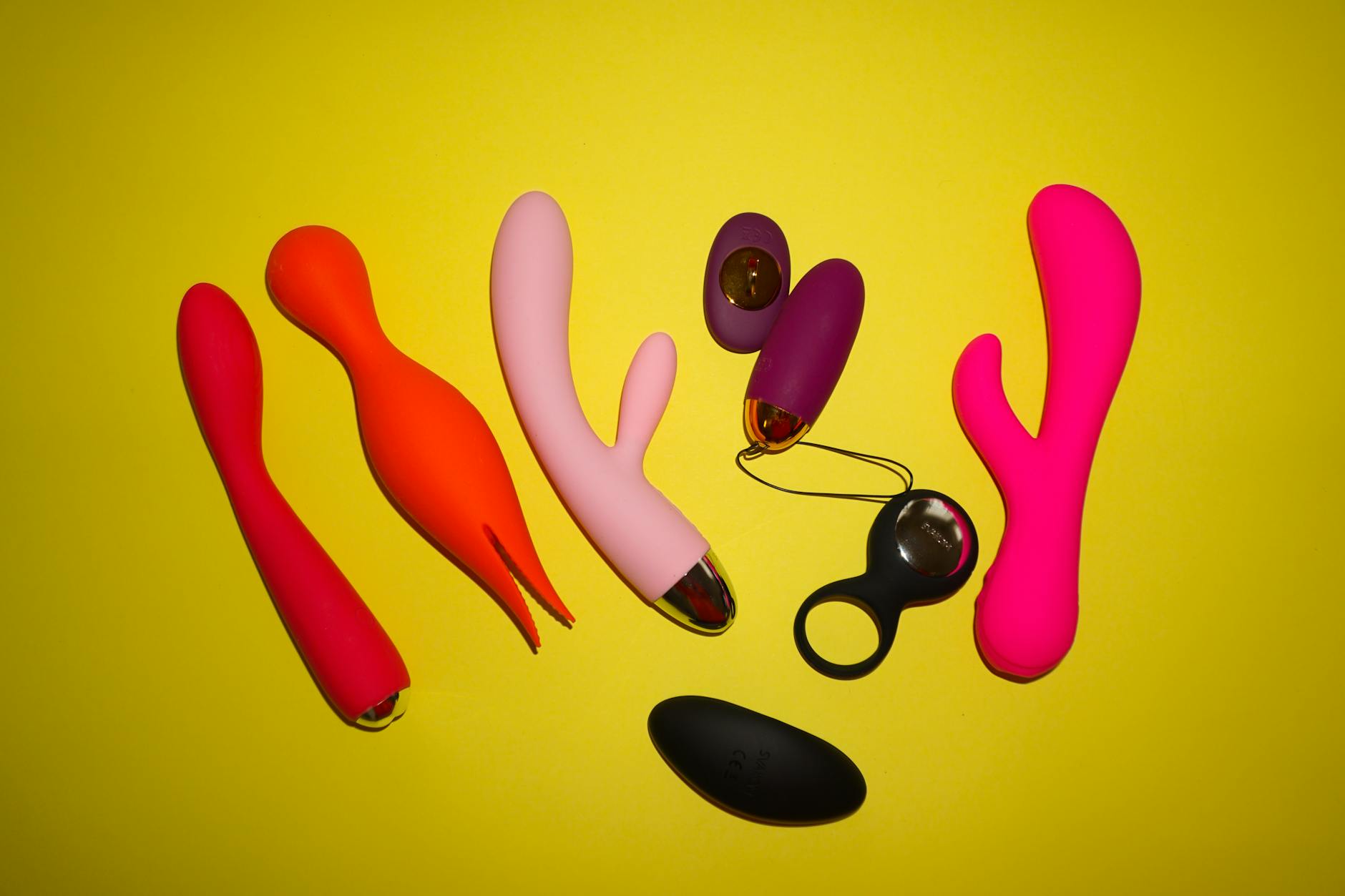
Here's the thing about switching toys
You've probably spent years with a traditional vibrator. You know its settings, its rhythm, the exact amount of pressure that works. And now you're thinking about trying a lemon vibrator, an air-suction clitoral vibrator that works completely differently. The hesitation makes sense. You're not just buying a new toy. You're relearning your own body's response.
The good news: switching from a traditional vibrator to a lemon sucker isn't about replacing what works. It's about adding something your nervous system might prefer.
Why lemon vibrators feel different
Traditional vibrators buzz. They oscillate side-to-side or up-and-down at various frequencies, usually between 5,000 and 10,000 vibrations per minute. This creates direct mechanical stimulation. It's consistent, predictable, and effective for most people.
Lemon clitoral vibrators use air-suction technology. They create gentle waves of air pressure that feel more like a mouth or tongue than a buzzing sensation. The stimulation builds from outside inward, which many people describe as feeling more "alive" and less numb over time.
The key difference: with buzz vibrators, you feel the motor. With air-suction lemon vibrators, you feel the sensation. That shift matters psychologically and physically.
What to expect when you switch
Your first instinct might be disappointment. A lemon vibrator doesn't feel intense in the way you're used to. This is not a problem. It's actually the point.
When you've used a buzz vibrator for years, your nerve endings adapt. You need more intensity to feel the same response. Switching to air-suction can feel underwhelming at first because it's gentler. Give yourself 3-5 sessions before deciding. Most people report that sensitivity returns after a few uses, and the sensations become richer, not weaker.
Start at the lowest setting. Seriously. The Lemon's pattern 1 is designed to wake up nerve endings, not overwhelm them. You'll likely find that you need less intensity once your body adjusts, and that sensitivity persists longer into the experience.
Choosing your first lemon vibrator
Consider your body's current state. If you've been numb from antidepressants, prolonged vibrator use, or stress, air-suction technology can help restore sensation where numbness blocks pleasure. If your sensation is fine but you want something different, you're switching for variety, not recovery. Both are valid. The choice just informs your patience with the adjustment period.
Think about comfort, not just stimulation. Lemon vibrators are typically softer silicone than traditional vibrators. That means they conform to your body rather than you conforming to them. If you have vulvodynia, sensitive tissue, or just prefer gentleness, this is a massive advantage. If you've always loved firm pressure, the softer silicone might take adjustment.
Test with a partner nearby if that helps. If you're switching toys within a relationship, having your partner present for your first session can ease the learning curve. You're not performing for them. You're modeling curiosity and self-knowledge, which most partners find attractive.
Making the transition without losing confidence
Here's a honest reality: sometimes you'll want to go back to your old toy. That's not failure. It's normal.
I recommend the "both plus" approach. Keep your traditional vibrator. Add a lemon clitoral vibrator to your collection. Alternate based on your mood, your body's response that day, and what you're looking for. On days when you want intensity fast, the buzz vibrator works. On days when you want to build sensation gradually and explore different patterns, the lemon sucker might serve you better.
Many of my clients find that after a few weeks of alternating, they naturally gravitate toward one or the other, or they use them together. (Yes, that's an option too.)
The pattern learning curve
Traditional vibrators usually have 3-5 speeds. Lemon vibrators typically have more patterns, not just intensity levels. The Lemon has 10 different sequences. That can feel overwhelming at first.
Resist the urge to scroll through all of them immediately. Pick one pattern (most people start with pattern 2 or 3, midway through the range) and use it for a full week. Your body learns that pattern. Nerve endings anticipate the rhythm. Sensation deepens. Then try the next pattern. This approach means it might take two weeks to find your favorite, but when you do, the sensation will be richer than if you'd bounced between patterns.
When to seek support during the switch
If you've tried a lemon vibrator three times at different settings and nothing feels right, it's worth asking whether the issue is the toy or something else. Sometimes frustration with a new toy is actually frustration with timing, stress, or reconnection after distance in a relationship. A good therapist or sexual health coach can help you sort that out.
If you switch from buzz vibrators to air-suction and sensation doesn't return after two weeks, that's also worth checking in with a provider about. Some medications, hormonal states, or pelvic floor tension can interfere with sensation recovery, regardless of the toy.
The tool matters. But so does the context.
Real talk about preference
Not everyone prefers air-suction over buzz. Some people love the intensity of traditional vibrators and have zero desire to switch. That's completely fine. "Better" doesn't exist here. Better is whatever your nervous system votes for.
If you've been considering a lemon vibrator out of curiosity, switching is worth the three-week experiment. If you've been considering it because you're hoping it will "fix" something, that's a different conversation. The toy won't fix your relationship. It won't fix numbness caused by stress or medication alone. But used thoughtfully, alongside other changes (therapy, relationship work, medical support if needed), it can unlock sensation and pleasure that buzz vibrators never delivered.
That's the real switch: not from one toy to another, but from expecting your vibrator to do the work alone to using it as one part of a bigger picture. The lemon clitoral vibrator is excellent in that picture. Just not the whole story.
People also ask
Can I use a lemon vibrator if I've never used a traditional vibrator before?
Yes, absolutely. If you're new to vibrators entirely, a lemon sucker is a gentler entry point than many traditional vibrators. You won't have the adjustment period that people switching from buzz vibrators experience. Start with the lowest pattern, give yourself permission to explore without performance pressure, and expect your first session to be more about discovery than intense sensation. That's not a weakness of the toy. It's how new pleasure typically develops.
How long does it take to adjust from a buzz vibrator to air-suction?
Most people notice a shift within 3-5 uses. Sensation often returns fuller within 2 weeks of regular use. Some people adjust in a few days. Others need a full month before they feel the difference. The timeline depends on how long you've used buzz vibrators, your current sensitivity, stress levels, and what else is going on in your life. Patience matters more than speed here.
Will I lose sensation permanently if I switch back to my traditional vibrator?
No. Sensation adaptation is temporary. If you switch back to a buzz vibrator after months with a lemon vibrator, your body will readjust to that intensity within a few sessions. Your nervous system is incredibly flexible. You're not permanently changing anything by trying something new.
Should I throw away my traditional vibrator when I get a lemon vibrator?
Not unless you want to. Most people benefit from having options. Your traditional vibrator might be perfect for quickies, high-stress situations when you need fast intensity, or mornings when you don't have time for gradual buildup. The lemon vibrator is better for exploration, sensitivity recovery, and longer sessions. Both have a place.
Is an air-suction lemon vibrator better than a traditional vibrator?
It's not better or worse. It's different. Better is what your body prefers. For people with numb sensation, high anxiety, or sensitive tissue, air-suction often works better. For people who love intensity and know exactly what they want, traditional vibrators are often perfect. The only way to know which category you're in is to try it.
What if I hate my lemon vibrator after the adjustment period?
You're allowed to not like it. Not every toy works for every person. If after three weeks of real exploration you still feel nothing, it's not the right tool for you right now. That doesn't mean air-suction technology won't work for you eventually. It might mean timing is off, or your body needs something different. If you bought from Hello Nancy's Lemon, check the refund policy. Otherwise, many people resell gently used toys online, or gift them to trusted friends who might love what you didn't.
The bigger picture
Switching from a traditional vibrator to a lemon clitoral vibrator isn't just about changing toys. It's about staying curious about your own pleasure even when you've found something that works. That curiosity is where deeper sensation lives.
You don't have to switch. But if you're even slightly interested in what air-suction feels like, the three-week experiment is worth the risk. Your nervous system might surprise you.