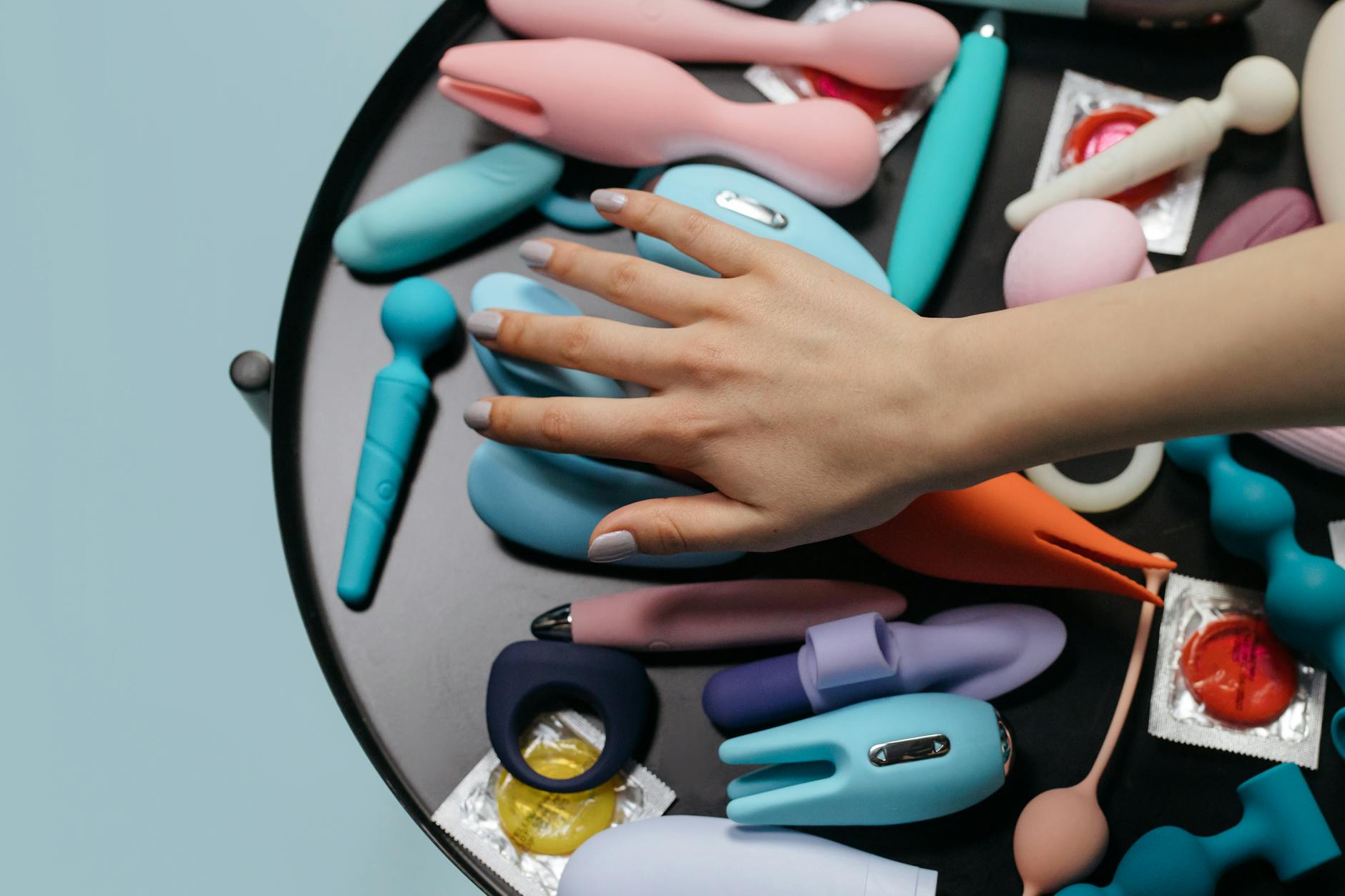
The real reason vibrator choice matters more than you think
Honestly, there's a whole category of advice out there that treats vibrator selection like buying a toothbrush. Pick one, use it, done. But your relationship status, the dynamics you're navigating, and what you want pleasure to do for you matter way more than horsepower or color. The right lemon vibrator for a solo player looks nothing like the right one for a coupled person rekindles intimacy after drift. And that difference is worth understanding before you click buy.
I work with couples navigating everything from long-term stagnation to new relationship energy, and what I've noticed is that the people who get real value from lemon vibrators aren't the ones who picked based on a Reddit thread. They're the ones who asked themselves a few honest questions first.
Choosing a lemon vibrator when you're single
Solo play is the only time you get to be entirely selfish about your pleasure, which means your vibrator choice can be completely anchored to what your body actually wants. No compromise, no negotiation.
For solo players, intensity and customization tend to matter most. You're building your own experience from scratch, which means you might want something with multiple patterns and speeds. The Lem vibrator by Hello Nancy, for instance, has seven different air-pulse patterns that let you dial in exactly what rhythm works on any given night. That flexibility becomes gold when you're the only one deciding what happens next.
Also think about solo play frequency. If you're using a lemon clitoral vibrator multiple times a week, you want something that charges reliably and lasts through sessions without dying mid-moment. Battery anxiety kills arousal faster than anything else. Look for vibrators with genuine 60 to 90-minute charge cycles, not the inflated marketing numbers.
The other factor for solo players is permission. Some people need a vibrator that feels a little hidden, discrete. Some want something they can leave on their nightstand without second-guessing themselves. If you're sharing an apartment or living with family, that matters. If you live alone, go for whatever feels good in your hand and calls to you.
Choosing a lemon vibrator when you're in a couple
This is where vibrator selection gets layered. You're no longer just optimizing for your own sensation. You're thinking about shared pleasure, vulnerability, communication, and what this tool can actually do for your relationship.
Couples who integrate lemon vibrators into shared intimacy tend to fall into two camps: those who use them for partnered sessions, and those who use them solo while the other partner is present or informed. Both are valid. Both need different tools.
If you're planning to use a lemon vibrator during partnered sex, external access matters. You need angles that work when you're not alone with your body. The Lem's wider head and tapered design work here because it doesn't block access to your partner. You also want something with a noise profile you're both comfortable with. A quieter vibrator isn't better for everyone, but a loud one can definitely kill mood if it wasn't negotiated first.
If you're using lemon vibrators solo while partnered, the conversation becomes about honesty and inclusion. Some couples thrive when one partner knows the other uses a vibrator regularly. Others need more time to get there. The vibrator choice matters less than the communication. That said, picking something portable helps. You don't want to feel trapped by a toy that's too big to be discreet or too delicate to move around.
When you're newly coupled or rebuilding intimacy
This is the territory where a lot of couples land after months or years of drift. Maybe sex stopped happening. Maybe it became obligatory. Maybe life just got in the way. Whatever the reason, the vibrator serves a different purpose here: it's a permission structure and a reset button.
In this situation, you want something that removes pressure. Air-pulse lemon vibrators work well here because they feel different from partnered touch. That difference can flip a mental switch that says permission to feel pleasure again. It also distributes stimulation in a way that feels less goal-oriented than traditional vibrators. You're exploring sensation, not chasing achievement.
I often recommend that couples in this phase pick the vibrator together, if they're ready. Shopping together removes shame and opens a conversation that's hard to start otherwise. You're having a dialogue about desire and what you both want pleasure to look like. The vibrator becomes the catalyst for that talk, not the main event.
One thing I'd push back on here: don't pick a vibrator hoping it will fix your relationship. If communication is broken or resentment is running deep, a toy won't bridge that gap. But if you're two people who still want each other and just need to remember how to touch again, a lemon clitoral vibrator can be a genuinely useful tool.
Choosing based on communication readiness
Here's something people don't talk about enough: vibrator choice is also a measure of how openly you and your partner can talk about pleasure. And that's the real foundation.
If you're in a relationship but haven't yet had a direct conversation about toys, start there before you buy. Ask your partner what they imagine. Ask if they have concerns. Ask if they want to be present, want to help, or want you to explore solo. Some partners want to watch. Some want to be involved. Some want to know you're doing it but prefer privacy. All of those needs are legitimate.
Once you know where your partner lands, the vibrator choice becomes easier. If they're enthusiastic about partnered use, prioritize something that works during sex. If they're supportive but want you to have private space, pick something you love solo and don't worry about partnered access. If they're nervous, maybe start with something that feels less intimidating. The Berri vibrator, for instance, is smaller and quieter than the Lem, which can lower the stakes when you're introducing toys to a partner for the first time.
The solo-to-coupled transition
If you came into a relationship already using a lemon vibrator, you might wonder if you need to pick a different one now. You don't. Your body doesn't change when you couple up. Your pleasure doesn't belong to someone else now.
What changes is honesty. Letting your partner know you use a vibrator is vulnerable. Some couples move toward integration. Some keep separate pleasure private. Both are fine. The question is whether your current vibrator fits your new reality. If you want to sometimes use it together, does it have the access and flexibility you need? If you want to keep it solo, is it something you can feel comfortable using in a shared space?
What to actually look for when shopping
Forget the marketing language for a second. Here's what genuinely matters.
First: does it feel good to you specifically? Not your friend. Not the reviews. You. If air-pulse doesn't work for your anatomy, no amount of positive feedback will change that. Lemon clitoral vibrators use suction-style stimulation that works beautifully for some bodies and not at all for others. Know yourself before you buy.
Second: charging and battery life. A vibrator that needs charging every five uses is a vibrator you'll resent. Aim for at least 60 minutes of runtime and a charging system that's simple. USB is standard now. Don't buy anything else.
Third: material and cleanup. Silicone is the standard for good reason. It's easy to clean, durable, and doesn't absorb bacteria. Stick with medical-grade or body-safe silicone. Wash after every use. Make it boring and automatic.
Fourth: noise level and discretion. Be honest about your living situation. If you share walls or have kids, quiet matters. If you live alone, noise is irrelevant. Pick accordingly.
Fifth: the feel of the thing in your hand. If it's too heavy, too light, too wide, too narrow, you'll notice every time. Hold it. Press it where you'd actually use it. This matters more than specs.
Why coupledom doesn't mean compromise on pleasure
Here's what I want to land on, because this matters: being in a relationship doesn't mean your vibrator needs to serve your partner's needs before yours. You're not picking a toy that makes him comfortable or looks cute on the shelf. You're picking a tool for your pleasure.
Sometimes that tool happens to work beautifully when you're together. Sometimes it's entirely yours, and that's exactly right. The couples I work with who have the most resilient intimacy are the ones who understood that individual pleasure isn't competitive with shared pleasure. They feed each other.
Your lemon vibrator choice should start with a simple question: what do I actually want to feel? Answer that first. Then think about how it fits into your relationship. But not before.
FAQ: Common questions about lemon vibrators and relationship status
Should I tell my partner I use a lemon vibrator if we're not currently sexually active?
Yes, if trust exists in other areas of your relationship. Silence around sexual tools often mirrors silence around desire itself. If you want to rebuild intimacy, starting with honesty about what you need solo is actually the foundation. You don't have to invite them into it. But let them know it exists.
Can a lemon clitoral vibrator replace partnered intimacy?
No. And if you're using it that way, that's probably worth examining. A vibrator is a tool for pleasure, not a substitute for connection. If you're choosing your vibrator over your partner repeatedly, there's a bigger conversation waiting.
Is it weird to use a lemon vibrator during sex with a partner if I've never talked to them about toys before?
Yes, probably. Introduce the idea first. Some partners will be excited immediately. Some need time. Some have concerns. Respect the process. The vibrator will still be there once you've had the conversation.
What if my partner doesn't want me to use lemon vibrators at all?
That's a real disagreement that deserves real conversation, not a compromise where you hide it. If toys matter to your sexuality and your partner has a hard boundary against them, you're looking at a fundamental mismatch in what you each need. That's work for a couples therapist, not a vibrator selection guide.
Do I need different lemon vibrators if I'm single versus coupled?
Not necessarily. But your priorities shift. Single players optimize for personal sensation. Coupled people often optimize for flexibility and communication ease. You might find one tool works for both. Or you might want a dedicated solo vibrator and a partnered option. Both approaches are fine.
How do I know if a lemon vibrator is right for my relationship stage?
Ask yourself: What am I actually trying to feel? What am I trying to create in this relationship right now? Does this tool help or complicate that? If the vibrator answers those questions, you've picked right. If you're picking it hoping it'll solve a problem between you and your partner, keep investigating before you buy.
One more thing
The best lemon vibrator for your relationship is the one you actually use and feel good about using. That sounds simple, but it's radical when you consider how much shame and secrecy still surrounds pleasure, especially in partnerships. You deserve a tool that works for your body, your situation, and what you actually want. That deserves a choice made with honesty, not pressure.
If you're navigating questions about introducing toys into a relationship or rebuilding intimacy after drift, that's the real work. The vibrator is just the beginning. And if you want to talk through any of this, we're here. Reach out to Hello Nancy and let's work through what's right for you.