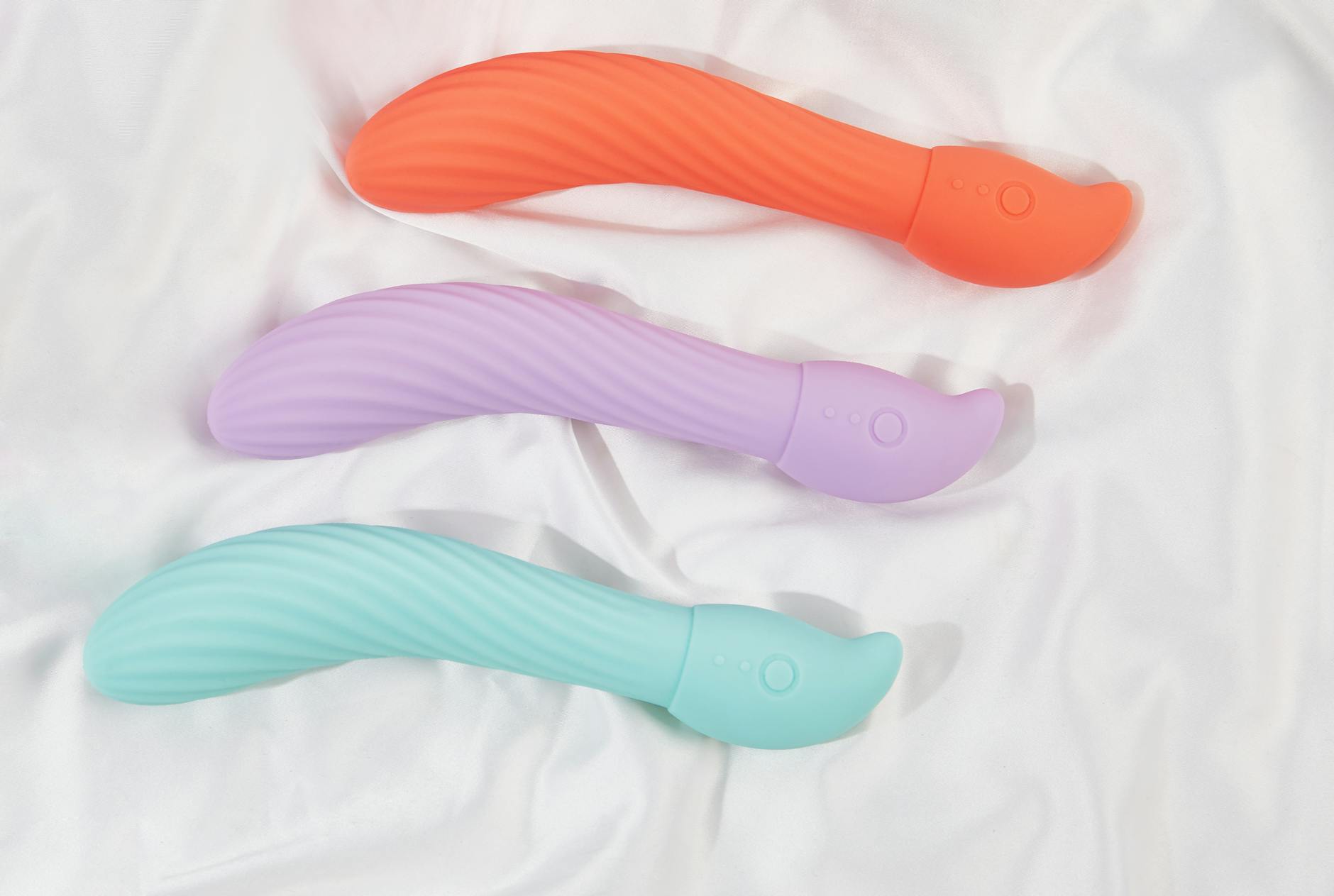
The honest part nobody tells you about IUDs and desire
You chose a hormonal IUD for its effectiveness and convenience. What nobody mentioned in the appointment is that weeks later, you might feel less like yourself sexually. Not broken. Not forever. But noticeably different. And if that's you right now, you're not imagining it.
Hormonal IUDs release a small dose of progestin directly into your system. It's way less than birth control pills, but it's enough to shift how your brain and body register pleasure. For about 30 percent of people using them, that shift includes decreased libido, slower arousal, and a kind of numbness that feels like watching your own pleasure through glass.
Here's what you need to know: it's temporary, it's common, and there are concrete ways to rebuild sensation while your body adjusts.
What the hormonal IUD actually does to arousal
Progestin does three things that affect pleasure directly.
First, it can suppress dopamine and norepinephrine, the neurotransmitters that fuel desire and physical arousal. You might notice that the mental thought process that used to quicken into want now feels flat or distant. That's chemical, not psychological.
Second, progestin can decrease genital blood flow, particularly in the clitoris and labial tissue. Arousal depends on blood rushing to these tissues to make them swell and sensitize. When that process slows, everything takes longer and feels less intense.
Third, the hormonal change can lower testosterone slightly. Yes, testosterone is crucial for desire in everyone. When it dips, libido often drops with it, and the sharpness of physical sensation can feel muted.
The good news: none of this is permanent. Many people report their baseline desire and sensation returning within three to six months as their body settles into the new hormonal environment. But waiting passively isn't the best strategy.
Why lemon clitoral vibrators work differently now
A lemon clitoral vibrator like the Lem uses air suction technology rather than traditional vibration. Here's why that matters when hormones have dampened sensation.
Direct vibration requires the tissue to already have decent sensitivity and blood flow to register as pleasure. When both are diminished by the IUD's hormones, traditional vibrators often feel less satisfying. You might need higher intensities, longer sessions, or more pressure than before.
Air suction works differently. It creates a gentle vacuum and release pattern that stimulates the nerves without requiring the same level of tissue sensitivity. It's like turning up the contrast on a faded photo instead of trying to brighten a dark room. The sensation comes through cleaner and sharper, even when overall sensitivity is lower.
Most importantly, suction stimulation often produces orgasms that feel qualitatively different from vibration. Many people find them more intense and more centered, which can be exactly what reawakens desire during this adjustment phase.
How to restart sensation in the first six months
If you've had your IUD inserted within the last few months and feel like pleasure has gone numb, these steps usually help.
Start with longer warm-up time. Your body now needs more time for arousal to build. Budget 20 to 30 minutes instead of your previous timeline. This isn't punishment. Longer foreplay or solo exploration gives your nervous system room to shift gears.
Introduce lemon vibrators on the lower settings first. If you have a Lem or similar lemon clitoral vibrator, begin on patterns 1 and 2 for at least a week. Let your body remember what pleasure feels like at a gentler intensity. You can always build up. Moving too fast often reinforces the numbness.
Create mental space for arousal. Hormones aren't the only culprit. The anxiety about lost sensation often compounds the problem. Knowing your IUD is causing this makes it easier to separate "my body is healing" from "something is wrong with me." That mental shift alone can unlock sensation.
Consider pairing with lubrication. Hormonal IUDs don't always affect lubrication, but some people notice their body's natural moisture shifts. A quality water-based lubricant reduces friction and can make suction stimulation feel more pleasurable faster.
The difference between numbness and adjustment
Here's an important distinction. Some sexual numbness in the first three months after IUD insertion is expected physiology. Other numbness deserves a conversation with your doctor.
If arousal eventually returns but takes longer, or if orgasms feel different but still good, that's adjustment. If after four to five months you feel absolutely no change, or if sensation has disappeared entirely along with any interest in sex, mention it. Occasionally, an IUD is genuinely the wrong choice for someone, and your provider can help you explore alternatives.
I also recommend tracking your baseline over weeks, not days. Hormone-related shifts are often cyclical. You might notice sharper sensation on certain days or during certain times of the month, even with an IUD in place. That variability is normal and often signals that your body is settling in.
Reconnecting with your partner during the adjustment
If you're in a relationship, the sexual shift can feel confusing for both of you. Your partner might interpret lower libido as loss of interest, and you might feel pressure to "get back to normal" faster than your body allows.
The most useful conversation is honest and specific. "My IUD is affecting my arousal right now, and it's temporary. I want to rebuild sensation together, but it'll feel different for a bit." That frames it as a shared transition, not a personal failing.
Experiment together with lemon vibrators or other tools. Some partners find that taking the pressure off penetrative sex and exploring external stimulation actually rebuilds intimacy faster than trying to force the old rhythm.
Hormonal IUDs numb sensation temporarily. That temporary phase is the perfect time to learn what actually makes you feel good.
When to consider switching
If your IUD is three to six months old and sensation hasn't improved at all, or if the numbness comes with depression, anxiety, or severe mood changes, it might not be the right device for you. Copper IUDs don't have hormonal side effects and can be equally effective for birth control. Some people switch and feel dramatically different within weeks.
But many people push through the adjustment window and find that by month four or five, desire and sensation return fully. The sweet spot is giving your body time while actively rebuilding sensation with tools like lemon vibrators, rather than waiting passively and hoping.
What usually happens after six months
Most bodies reach a new equilibrium with the hormonal IUD by month six. Desire stabilizes. Sensation normalizes. Some people report that their overall sexuality actually deepens during this time, partly because rebuilding pleasure intentionally often teaches them more about their own responses than before.
Your IUD isn't stopping you from pleasure. It's temporarily shifting the pathway to it. Lemon clitoral vibrators, extra time, good communication, and patience usually open that pathway back up quickly.
FAQ
How long does it usually take for sensation to return after a hormonal IUD?
Most people notice improvement within three to six months. Some return to baseline in weeks. Others take closer to six months or a bit longer. Your body's adjustment timeline depends on your individual hormone sensitivity, stress levels, and how much intentional attention you give to rebuilding sensation during the adjustment phase.
Can I use a lemon clitoral vibrator right after IUD insertion?
Yes, but wait at least a week or two. Your cervix and uterus need time to settle, and you might have cramping or spotting initially. Once that settles, lemon vibrators are a great tool for rebuilding sensation. Start gently and let your body guide the intensity.
Is it normal to have zero desire after getting an IUD?
Zero desire for weeks to a couple of months can happen and usually resolves. Completely absent desire that doesn't improve after six months warrants a conversation with your doctor. It could mean the IUD isn't the right fit for your body, or it could signal something else that deserves attention.
Do lemon vibrators work better than regular vibrators for IUD-related numbness?
Not universally, but many people find them more effective during hormonal adjustment. The air suction technology creates sensation differently than vibration, and sometimes that difference is exactly what reawakens responsiveness when hormones have dampened it. That said, some people prefer traditional vibrators. Experiment and trust your own response.
Will the hormonal IUD always make me feel numb?
No. Most people's sensation normalizes significantly within six months. And even if it takes longer, intentional exploration with lemon vibrators and other tools usually rebuilds pleasure well before the numbness phase feels permanent.
Should I remove my IUD if it's affecting my sex drive?
Not necessarily immediately, but don't wait indefinitely either. Give it a real adjustment window of four to six months with intentional effort to rebuild sensation. If nothing improves and the impact on your relationship or wellbeing is significant, switching to a copper IUD or a different birth control method is completely reasonable. Your sexual health matters.
The bottom line
A hormonal IUD shifting your sensation isn't a side effect to suffer through silently. It's a signal that your body is adjusting to new chemistry. That adjustment period is actually the perfect time to slow down, rebuild pleasure intentionally with tools like lemon vibrators, and often discover what actually makes you feel good. Most of the time, sensation returns stronger than before.