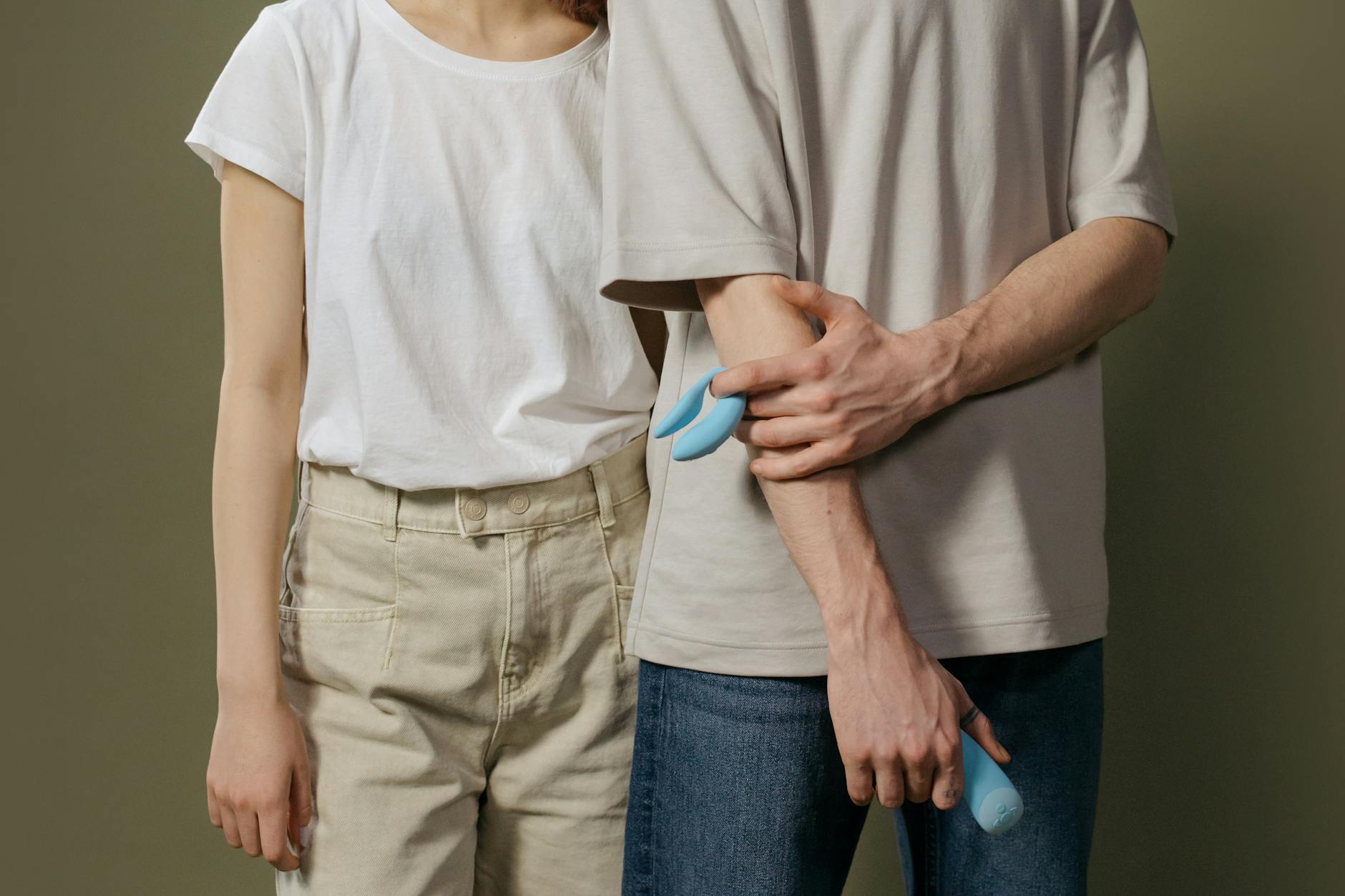
How Lemon Clitoral Vibrators Improve Sensation After Years of Numbness
Let's be real: numbness creeps in slowly. One day you notice touch doesn't land the way it used to. A partner's hand on your skin registers as texture but not sensation. What once felt electric now feels muted, distant, like you're experiencing pleasure through a wall of glass. If this has been your reality for months or years, you're not broken. And you're not alone.
Numbness during sex or touch can come from dozens of sources. Antidepressants, hormonal birth control, chronic stress, autoimmune conditions, pelvic floor tension, and even years of the same routine can all dull sensation over time. The good news? Sensation can often be rebuilt. And lemon clitoral vibrators are one of the most effective tools I've seen for doing it.
Why sensation fades (and why it can come back)
Your clitoris has about 8,000 nerve endings concentrated in a space roughly the size of a pea. These nerves don't stop working just because you can't feel them. What happens instead is that the signal from stimulus to brain gets weaker. Think of it like a radio station that's still broadcasting, but your receiver is out of tune.
Chronic numbness usually stems from one of three places: central (your brain and nervous system), peripheral (the nerves themselves), or psychological (your mind's response to sensation). Often it's all three at once, which is why a purely physical solution like a new vibrator sometimes works and sometimes doesn't.
The reason lemon clitoral vibrators are particularly effective for rebuilding sensation is mechanical. Air-suction stimulation (the technology behind the Lem vibrator and other lemon-style toys) doesn't rely on direct pressure or friction. Instead, it creates a rhythmic pulse that stimulates nerve clusters without overwhelming them. For someone whose nervous system has been dulled by medication or stress, this gentler form of stimulation often feels more perceptible than traditional vibration.
The neurological reset that happens with consistent stimulation
Here's what I tell my clients: your nervous system is like a muscle. If you stop using it, it atrophies. If you start using it again consistently, it wakes up.
When you use a lemon vibrator regularly, you're essentially doing physical therapy for your clitoris. Each session teaches your nerves to fire again. Each pattern, each intensity level, each moment of attention signals to your brain that this part of your body matters and deserves input. Over weeks and months, something shifts. The signal gets stronger. Sensation returns.
This is particularly true if numbness is stress or psychologically rooted. The act of deliberately, without pressure or performance, exploring sensation sends a message to your nervous system that pleasure is safe. That it's worth feeling. That you deserve it. This psychological component is often the missing piece in purely medical treatments.
Starting over when sensation is low
If you've been numb for a long time, jumping straight to the highest settings on any vibrator is likely to feel either overwhelming or nothing at all. Instead, here's how I recommend approaching it:
Start with pattern mode, not intensity. Most clitoral vibrators, including lemon-style toys, have multiple patterns beyond just escalating power. Patterns engage your nervous system differently than raw intensity does. Your nerves might respond to rhythm where they don't respond to force.
Set a low bar for success. You're not chasing an orgasm right now. You're just noticing sensation. Even slight tingling, slight warmth, slight awareness that the vibrator is there counts as progress. Celebrate it.
Give your body time. Sensation rebuilding isn't fast. Budget 10 to 15 minutes of exploration without a goal. No timer. No pressure to "achieve." Just attention.
Combine it with touch. Use your hands on other parts of your body while using the lemon vibrator on your clitoris. This creates competing signals that your nervous system has to process, which can actually heighten awareness in the numbed area.
The role of context and mindset
I've had clients return to pleasure using exactly the same vibrator that didn't work six months earlier. The difference wasn't the toy. It was their life circumstances, their stress levels, their relationship dynamics, and their permission to feel.
If you're rebuilding sensation while also managing depression, anxiety, a difficult relationship, or major life stress, the vibrator alone won't fix it. It's one tool in a larger toolkit. The other tools are therapy, honest conversation with your partner if you have one, medical review of medications that might be contributing, and sometimes just waiting for a life chapter to shift.
That said, the act of using a lemon clitoral vibrator can itself become a ritual of reclamation. A dedicated 10 minutes where your pleasure is the only agenda. Where your body gets to matter. Where you're not performing for anyone, managing anyone's expectations, or trying to be what you think you should be. That mental shift can be as restorative as the physical stimulation.
When to see a doctor
If numbness came on suddenly, or if it's accompanied by pain, loss of bladder control, or numbness in other parts of your body, that's a medical question, not a vibrator question. See a gynecologist or your primary care doctor.
If numbness is tied to a specific medication, ask about alternatives or dosage adjustments. Many antidepressants have sexual side effects, but not all do. Sometimes switching to a different class of drug or a different medication entirely solves the problem.
If you've been working with a vibrator for three months and sensation hasn't budged, consider seeing a pelvic floor physical therapist. Tension in the pelvic floor can create a sensation of numbness even when the nerves themselves are fine. A pelvic floor specialist can identify and release that tension.
Real expectations for rebuilding sensation
Sensation can return. I've seen it happen many times. But it rarely returns to exactly how it felt before. And honestly? That's okay. Your body is different now. Your nervous system has different thresholds. Your pleasure might have a different shape than it did five years ago.
Some of my clients describe their rebuilt sensation as more subtle, more textured, and paradoxically more satisfying than the numbed version. Others find that their most intense orgasms come after years of numbness, because they've had to learn their body in a deeper way to get there.
The goal isn't to go back. It's to move forward with whatever sensation your body can offer right now.
FAQ: Sensation Recovery and Lemon Vibrators
How long does it take to rebuild sensation with a clitoral vibrator?
Sensation recovery is deeply individual. For some people, noticeable changes appear within two to four weeks of consistent use. For others, it takes two to three months. The variable factors are how long you've been numb, what's causing the numbness, whether you're managing stress effectively, and whether you're using the vibrator regularly. Consistency matters more than intensity. Three times a week for 10 minutes beats once a week for an hour.
Does numbness mean I'll never have an orgasm again?
No. Numbness and orgasm capacity are separate things. You might feel very little but still be able to reach climax, particularly as sensation rebuilds. Alternatively, you might regain full sensation and still struggle with orgasm if the block is psychological or relational. If orgasm isn't happening, the issue usually isn't the vibrator. It's stress, medication side effects, or something in your relationship dynamic that needs attention separately.
Is a lemon vibrator better than a traditional vibrator for numbness?
For many people with numbness, yes. Air-suction stimulation creates a different sensation profile than direct vibration. It's gentler, more rhythmic, and less likely to overstimulate a dulled nervous system. That said, every body responds differently. Some people with numbness do better with patterns. Others respond to sustained, lower-intensity vibration. If a lemon-style vibrator isn't working for you after a month, it's fair to try something different, like exploring the how to restart lemon vibrators after taking a break from solo play guide to understand other patterns and approaches.
Can I rebuild sensation if I'm still on antidepressants?
Absolutely. Many people rebuild sensation while on medications that initially dulled it. Consistency, patience, and often a shift in how you approach pleasure all help. If the medication is the primary culprit and sensation isn't improving after months of effort, a conversation with your prescriber about alternatives is worth having. Some SSRIs and SNRIs affect sexual response less than others. But sometimes the medication is necessary for your mental health, and rebuilding sensation becomes a practice in working with your body as it is, not as you wish it were.
What if numbness is from my relationship or partner?
That's a different conversation than vibrator technique. If you feel numb primarily with your partner, but sensation is fine during solo play, the issue is relational. That might mean unresolved resentment, lack of safety, misaligned desire, or simple incompatibility. A vibrator can't fix a relationship problem. You might need a couples therapist or to have an honest conversation with your partner about what's changed and what you both need.
Can I use a lemon vibrator if I have vaginismus or pelvic floor tension?
Carefully. If your pelvic floor is tense, direct stimulation of the clitoris might trigger or worsen tension. Start with the lowest settings and shortest sessions. Some people find that pelvic floor physical therapy plus a vibrator is the right combination. Others need to resolve the pelvic floor tension first before introducing a vibrator. This is worth discussing with a pelvic floor PT before you start.
Moving forward
Rebuild sensation slowly, with patience, and without the pressure to perform. Your body isn't broken. It's just been through something, and it needs time to wake up. A lemon clitoral vibrator is a useful tool for that awakening. But it's only one part of the picture. The other parts are self-compassion, stress management, sometimes medical support, and the willingness to explore pleasure on your body's own terms rather than on anyone else's timeline. You deserve sensation. You deserve pleasure. And it's worth the time to rebuild it.
If you're navigating numbness in the context of a relationship, or if you'd like to talk through what sensation recovery might look like for you specifically, reach out to Hello Nancy. We're here to help.